Understanding GERD: Signs, Symptoms, and Treatment Options
Gastroesophageal Reflux Disease, commonly known as GERD, is a widespread digestive disorder that affects millions worldwide. It's characterized by the frequent backflow of stomach acid into the tube connecting your mouth to your stomach, known as the esophagus. This chronic acid reflux can irritate the esophageal lining, leading to a variety of uncomfortable symptoms and, if left unmanaged, potentially serious complications.
What Exactly is GERD?
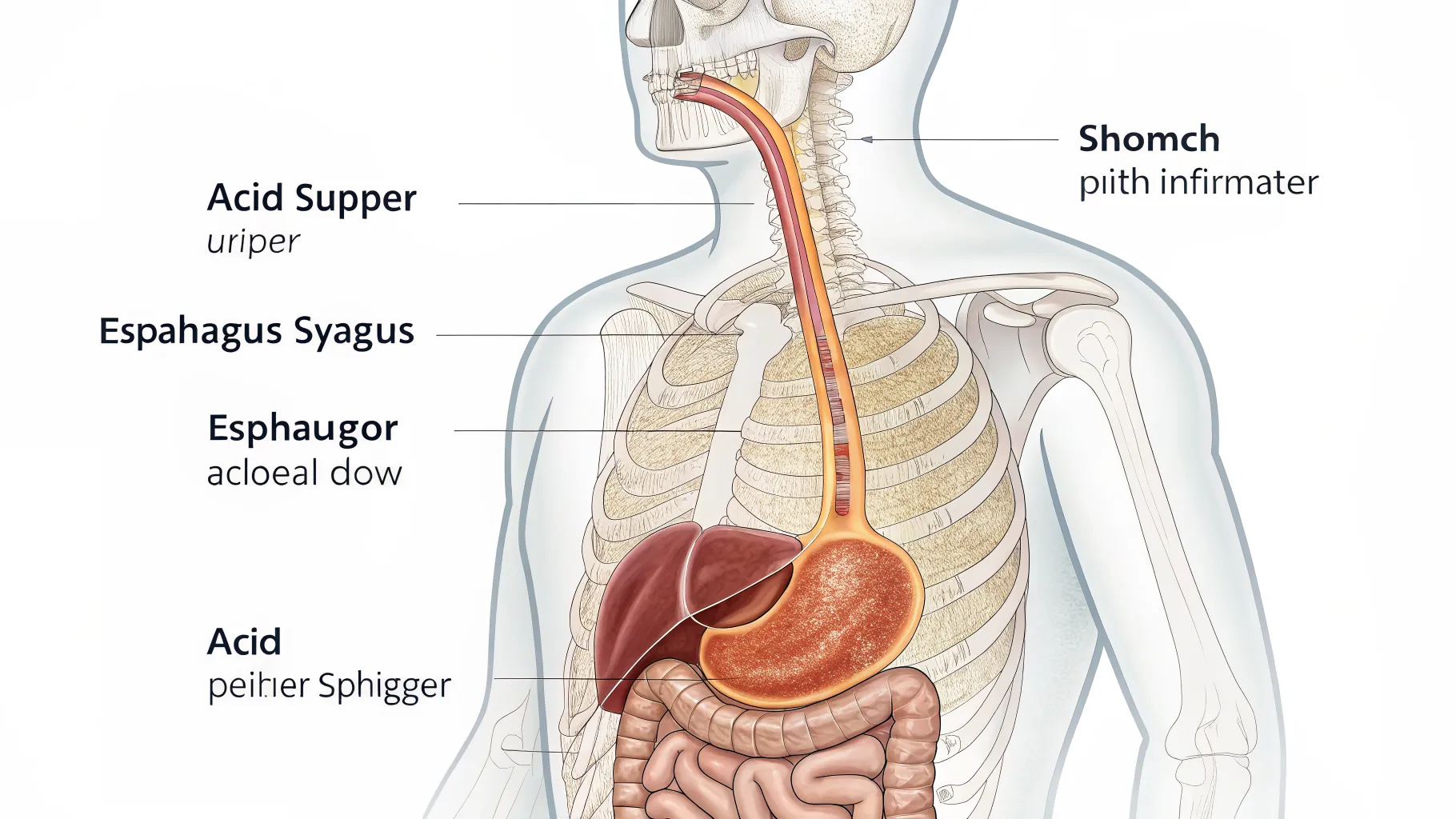
GERD is more than just occasional heartburn. It is a chronic condition that occurs when the lower esophageal sphincter (LES), a ring of muscle at the bottom of the esophagus, does not close properly. Normally, the LES opens to allow food and liquid to pass into the stomach and then closes tightly to prevent stomach contents from flowing back up. When this muscle weakens or relaxes inappropriately, stomach acid and sometimes food can reflux into the esophagus, causing irritation.
The chronic nature of GERD distinguishes it from occasional acid indigestion. While many people experience heartburn now and then, those with GERD typically have symptoms at least twice a week or more severe symptoms once a week. Understanding the underlying mechanism of a faulty LES is key to comprehending why certain treatments are effective.
Recognizing the Common Signs and Symptoms
The symptoms of GERD can vary in type and intensity, but some are much more common than others. The most classic symptom is heartburn, a burning sensation in the chest, often occurring after eating and worsening when lying down or bending over. Another frequent symptom is regurgitation, which is the sensation of acid or food backing up into the throat or mouth.
Beyond these primary indicators, GERD can manifest through a range of other signs. These might include difficulty swallowing (dysphagia), a sensation of a lump in the throat, chronic cough, hoarseness, or even worsening asthma. Some individuals may also experience bad breath or erosion of tooth enamel due to repeated exposure to stomach acid.
When to Consult a Healthcare Professional
While occasional heartburn might be managed with over-the-counter remedies, persistent or worsening symptoms warrant medical attention. If you experience heartburn more than twice a week, if symptoms interfere with your daily life, or if you find yourself relying heavily on antacids, it's advisable to speak with a doctor. A medical professional can accurately diagnose GERD and rule out other conditions.
Furthermore, certain red-flag symptoms necessitate immediate medical evaluation. These include difficulty or pain when swallowing, unexplained weight loss, black or tarry stools, vomiting blood, or new or worsening chest pain. These could indicate more serious underlying issues that require prompt diagnosis and treatment.
Lifestyle and Dietary Modifications
For many people, initial management of GERD involves making specific changes to their lifestyle and diet. These non-pharmacological approaches can significantly reduce the frequency and severity of symptoms. The goal is to minimize factors that trigger reflux and strengthen the body's natural defenses against acid.
- Dietary Adjustments: Identifying and avoiding trigger foods is crucial. Common culprits include fatty or fried foods, spicy foods, chocolate, peppermint, citrus fruits, tomatoes, onions, garlic, and carbonated beverages. Eating smaller, more frequent meals instead of large ones can also help.
- Eating Habits: It is often recommended to avoid eating within two to three hours before bedtime. Lying down with a full stomach can make it easier for acid to reflux.
- Weight Management: Excess weight, particularly around the abdomen, can put pressure on the stomach and push acid into the esophagus. Losing even a modest amount of weight can often improve GERD symptoms.
- Sleeping Position: Elevating the head of your bed by six to eight inches can help gravity keep stomach acid down. This can be achieved by placing blocks under the bedposts or using a wedge pillow, not just stacking pillows.
- Smoking and Alcohol: Both smoking and excessive alcohol consumption can relax the LES, exacerbating GERD symptoms. Quitting smoking and moderating alcohol intake can lead to significant improvement.
Medications for GERD Management
When lifestyle changes alone are not sufficient, several types of medications can effectively manage GERD symptoms and promote healing of the esophageal lining. These are often categorized by their mechanism of action and can be available over-the-counter or by prescription.
Common medication classes include antacids, which provide quick but temporary relief by neutralizing stomach acid. H2-receptor blockers reduce acid production for a longer duration than antacids. Proton pump inhibitors (PPIs) are generally the most potent class of medications for GERD, significantly reducing acid production and allowing the esophagus to heal. Your doctor will determine the most appropriate medication and dosage based on your symptoms and the severity of your condition.
Advanced Treatment Options
For a small percentage of individuals whose GERD symptoms are not adequately controlled by lifestyle changes and medication, or who experience severe complications, more advanced treatments may be considered. These options typically involve surgical or endoscopic procedures aimed at reinforcing the lower esophageal sphincter or diverting acid.
One common surgical procedure is Nissen fundoplication, where the top part of the stomach is wrapped around the lower esophagus to strengthen the LES. Minimally invasive variations of this surgery are often performed. Other endoscopic procedures, such as transoral incisionless fundoplication (TIF) or radiofrequency energy delivery (Stretta procedure), are also available, offering less invasive alternatives for select patients. These advanced treatments are usually considered after thorough evaluation by a specialist.
Living with GERD: Long-term Management
GERD is often a chronic condition that requires ongoing management. While symptoms can fluctuate, adopting a consistent approach to treatment and lifestyle modifications is key to preventing complications and maintaining a good quality of life. Regular follow-up with a healthcare provider is important to monitor the effectiveness of treatments and adjust them as needed.
Long-term complications of untreated GERD can include esophageal stricture (narrowing of the esophagus), esophageal ulcers, and Barrett's esophagus, a precancerous condition. By understanding your triggers, adhering to treatment plans, and maintaining open communication with your doctor, individuals with GERD can effectively manage their symptoms and reduce the risk of more serious health issues.
Authored by 24Trendz team