Understanding the Escalating Cancer Treatment Costs in the United States
Facts:
- The financial toxicity of cancer care significantly impacts patients.
- Medical debt from cancer treatment is a leading cause of bankruptcy.
Navigating the Escalating Financial Burden of Cancer Treatment in the United States
A cancer diagnosis brings with it an immense array of challenges, not least among them the daunting reality of managing the escalating cancer treatment costs in the United States. Beyond the immediate health concerns, patients and their families are often thrust into a complex financial landscape, grappling with substantial healthcare expenses that can quickly accumulate, leading to severe patient financial burden. Understanding the multifaceted components of these costs and the available strategies for mitigation is paramount for anyone navigating this difficult journey, as the long-term economic impact can be as devastating as the disease itself.
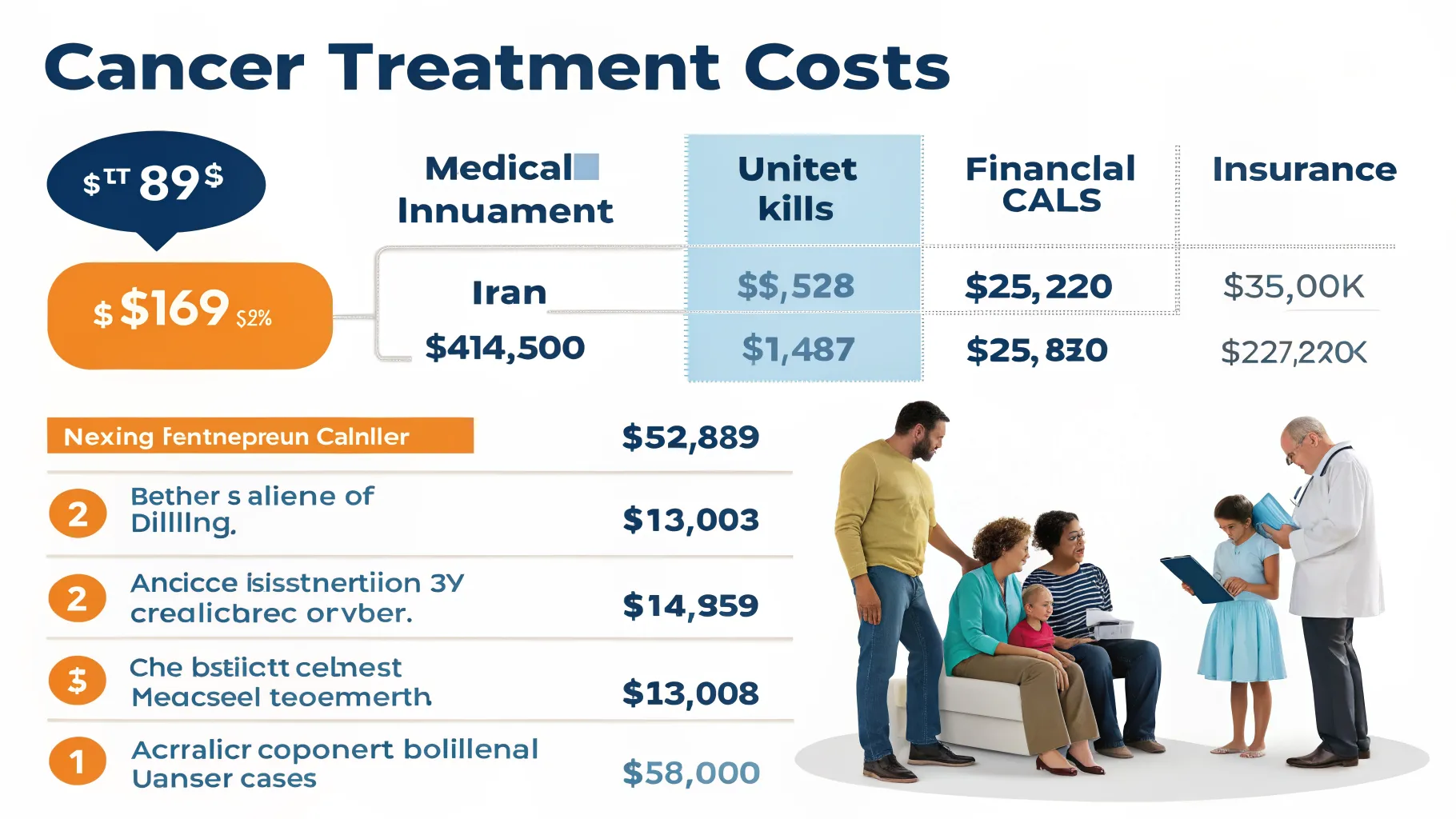
Understanding the Components of Cancer Treatment Costs
The total price tag for cancer care is rarely a single, straightforward figure; rather, it is an aggregation of numerous charges from various stages of diagnosis, treatment, and recovery. Each step in the journey contributes to the overall cancer treatment costs, making it difficult for patients to predict their exact financial liability. From initial consultations to long-term survivorship care, every medical intervention, medication, and facility usage adds to the accumulating healthcare expenses. A comprehensive understanding of these components is crucial for patients attempting to manage their finances effectively.
Diagnostic Procedures and Imaging
Before treatment can even begin, a battery of diagnostic tests is necessary to accurately identify the cancer type, stage, and location. This often includes sophisticated imaging techniques such as PET scans, CT scans, MRIs, and biopsies. Each of these procedures carries a significant cost, and depending on the complexity and number of tests required, these initial diagnostic steps alone can contribute substantially to the early cancer treatment costs, often before any formal treatment plan is initiated. The fees cover not only the procedure itself but also the interpretation by specialists.
Therapeutic Interventions: Surgery, Chemotherapy, Radiation
The core of cancer treatment typically involves one or a combination of major therapeutic interventions. Surgery, often requiring extensive hospital stays and operating room fees, is a primary driver of healthcare expenses. Chemotherapy involves cycles of expensive drugs, administration fees, and frequent clinic visits. Radiation therapy also entails a series of sessions, each incurring facility and professional fees. These interventions represent the bulk of direct oncology care funding requirements, with advanced or novel therapies often pushing costs into the hundreds of thousands of dollars.
Medications and Specialty Drugs
Beyond chemotherapy, many cancer patients require a variety of other medications, including targeted therapies, immunotherapies, hormone therapies, and supportive care drugs to manage side effects. These specialty drugs are frequently the most expensive component of cancer treatment costs, with monthly co-pays or out-of-pocket costs reaching thousands for certain cutting-edge treatments. The innovation in cancer pharmacology, while life-saving, comes with a substantial price tag that contributes significantly to a patient's overall financial burden.
Hospital Stays and Professional Fees
Extended hospitalizations, whether for surgery, managing treatment side effects, or palliative care, add considerable amounts to healthcare expenses. These costs encompass room charges, nursing care, equipment usage, and various hospital services. Additionally, the fees for oncologists, surgeons, radiologists, pathologists, and other specialists involved in the patient's care accrue independently. Navigating these professional fees alongside facility charges often adds to the complexity of understanding the true cancer treatment costs.
Post-Treatment Care and Rehabilitation
The journey doesn't end with active treatment. Many patients require ongoing surveillance, rehabilitation, physical therapy, and psychological support to recover and manage long-term side effects. Follow-up appointments, scans, and therapies can extend for years, creating sustained healthcare expenses that contribute to the enduring patient financial burden. These less obvious, yet crucial, components of care are often overlooked in initial cost estimates but are vital for quality of life and relapse prevention.
The Impact of Insurance Coverage on Patient Financial Burden
While health insurance is designed to cushion the blow of medical expenses, its effectiveness in mitigating the full brunt of cancer treatment costs varies dramatically. The type of plan, deductibles, co-payments, and out-of-pocket maximums all play a critical role in determining a patient's ultimate financial burden. Even with seemingly robust insurance, unexpected charges, network limitations, and complex billing practices can lead to substantial and unexpected medical debt.
Role of Deductibles and Copayments
High deductibles, which must be met before insurance begins to cover costs, can place a heavy initial strain on patients. Co-payments for office visits, specialist consultations, and prescription drugs also accumulate rapidly, especially given the frequent appointments and costly medications associated with cancer care. Understanding these mechanisms is essential for anticipating out-of-pocket healthcare expenses and planning for the significant financial outlay required before comprehensive coverage kicks in.
Navigating In-Network vs. Out-of-Network
One of the most insidious ways cancer treatment costs can skyrocket is through out-of-network charges. Even if a hospital is in-network, an anesthesiologist, pathologist, or other specialist involved in care might not be, leading to
Authored by 24Trendz team