Understanding Eczema: Signs, Types, and Effective Management
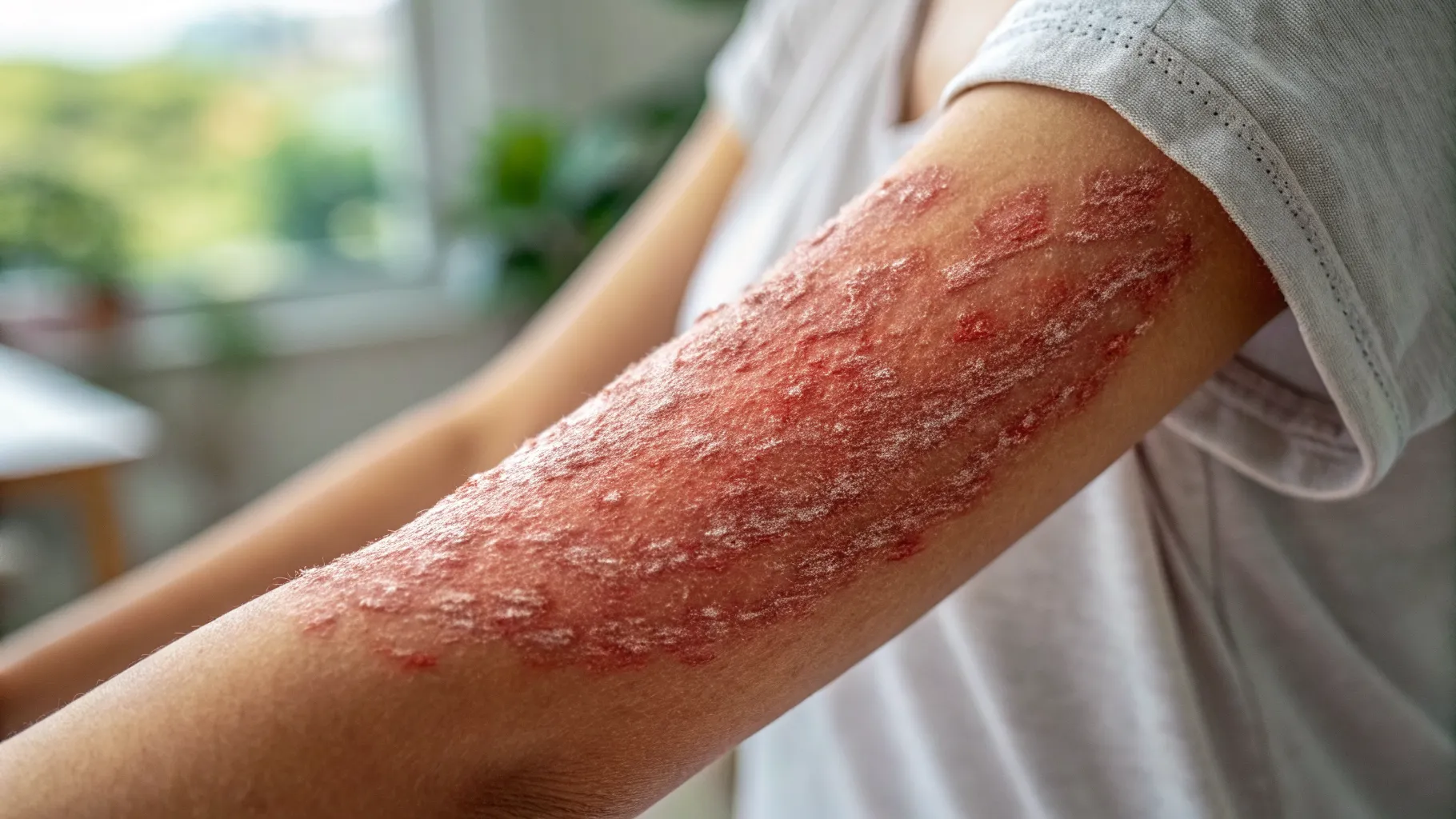
What is Eczema? A General Overview
Eczema, also known as dermatitis, refers to a group of conditions that cause skin inflammation. It is characterized by dry, itchy, and irritated skin, which can sometimes lead to red rashes, scales, or even blistering. While it can affect people of all ages, it often appears in early childhood.
This chronic condition can fluctuate, with periods of flare-ups where symptoms worsen, followed by periods of remission. Eczema is not contagious, and its exact causes are still being researched, though it is understood to involve a combination of genetic and environmental factors affecting the skin's barrier function.
Recognizing the Common Signs and Symptoms
The signs and symptoms of eczema can vary significantly among individuals and depending on the type of eczema. However, certain common indicators are frequently observed across different forms of the condition.
- Itching: Often intense, especially at night, and can disrupt sleep.
- Redness: Affected areas typically appear red or inflamed.
- Dry Skin: Patches of skin may feel dry, scaly, or rough.
- Rash: Visible rashes can develop, sometimes with small, raised bumps or blisters.
- Thickened Skin: Chronic scratching can lead to lichenification, where the skin becomes thick and leathery.
- Cracked Skin: Severe dryness and inflammation can cause the skin to crack, sometimes leading to pain and infection.
It is important to note that these symptoms can appear on various parts of the body, including the face, hands, feet, inner elbows, and behind the knees.
Exploring Different Types of Eczema
Eczema is an umbrella term for several distinct conditions, each with its own characteristics and common triggers. Understanding these types can help in managing symptoms effectively.
The most prevalent form is atopic dermatitis, which is often hereditary and linked to a family history of allergies, asthma, or hay fever. Other common types include contact dermatitis, an allergic reaction to substances touching the skin, and dyshidrotic eczema, characterized by small, itchy blisters on the hands and feet.
Atopic Dermatitis
Atopic dermatitis is the most common type of eczema. It often begins in childhood and typically manifests as dry, itchy, red patches. In infants, it frequently appears on the face and scalp, while in older children and adults, it is common in the creases of the elbows and knees. The intense itching can lead to a scratch-itch cycle, exacerbating the condition.
Contact Dermatitis
This type occurs when the skin comes into contact with an irritant or an allergen, leading to an inflammatory reaction. Symptoms, which include redness, itching, and sometimes blistering, usually appear shortly after exposure. Common triggers include certain metals (like nickel), soaps, detergents, cosmetics, and plants such as poison ivy.
Dyshidrotic Eczema
Dyshidrotic eczema primarily affects the palms of the hands and soles of the feet. It is characterized by tiny, deep-seated blisters that are intensely itchy and often accompanied by a burning sensation. Once the blisters dry, the skin can become dry, scaly, and cracked. Stress and exposure to certain metals are thought to be potential triggers.
Understanding Eczema Triggers and Causes
While the exact cause of eczema is not fully understood, it is believed to involve a combination of genetic predisposition and environmental factors. Individuals with eczema often have a compromised skin barrier, making them more susceptible to irritants and allergens.
Triggers can vary widely among individuals but commonly include environmental factors such as pollen, dust mites, pet dander, and certain foods. Irritants like harsh soaps, detergents, perfumes, and certain fabrics can also provoke flare-ups. Stress and hormonal changes are also known to influence eczema activity.
Medical Treatments and Management Strategies
Managing eczema often involves a multi-faceted approach, combining medical treatments with lifestyle adjustments. The goal of treatment is to alleviate symptoms, prevent flare-ups, and heal the skin.
Topical corticosteroids are commonly prescribed to reduce inflammation and itching during flare-ups. Other topical medications, such as calcineurin inhibitors, may also be used, particularly on sensitive areas. In severe cases, oral medications, including corticosteroids or immunosuppressants, might be considered by a healthcare professional.
Lifestyle Adjustments and Self-Care for Eczema
Beyond medical interventions, several lifestyle adjustments and self-care practices can significantly help in managing eczema and reducing the frequency and severity of flare-ups.
- Moisturizing: Regular and liberal application of emollients or moisturizers is crucial to help restore the skin barrier and prevent dryness.
- Avoiding Triggers: Identifying and avoiding personal triggers, whether environmental allergens or irritants in products, can greatly reduce flare-ups.
- Gentle Skincare: Using mild, fragrance-free soaps and cleansers, and taking short, lukewarm baths or showers, can prevent further irritation.
- Stress Management: Practicing stress-reduction techniques like meditation or yoga can be beneficial, as stress is a known eczema trigger.
- Wearing Soft Fabrics: Opting for soft, breathable clothing made of cotton can prevent irritation caused by rough materials.
Creating a consistent skincare routine tailored to your skin's needs is fundamental for long-term management.
When to Seek Professional Medical Advice
While many individuals can manage their eczema with over-the-counter remedies and lifestyle changes, there are instances where professional medical advice becomes necessary. It is important to know when to consult a doctor or a dermatologist.
You should seek medical attention if your eczema symptoms worsen, if the itching becomes unbearable and interferes with sleep or daily activities, or if you notice signs of infection such as pus, fever, or increased redness and pain. A healthcare professional can provide an accurate diagnosis, prescribe stronger medications, and offer personalized management plans.
Authored by 24Trendz team