Understanding Diabetes Medication Costs in the United States: A Deep Dive into Healthcare Affordability
Facts:
- Annual diabetes medication costs can exceed $10,000 for many Americans.
- Insulin prices have surged over 600% in two decades for many patients.
Unpacking the Soaring Diabetes Medication Costs in the United States
The burden of managing diabetes extends far beyond the physical challenges of the disease; for millions in the US, the escalating diabetes medication costs represent a significant financial strain. Understanding why insulin prices and other essential prescription drug spending are so high is crucial for patients, policymakers, and healthcare advocates seeking sustainable solutions. This comprehensive overview delves into the multifaceted reasons behind the staggering expenses, exploring market dynamics, regulatory frameworks, and their profound impact on healthcare affordability and medication access.
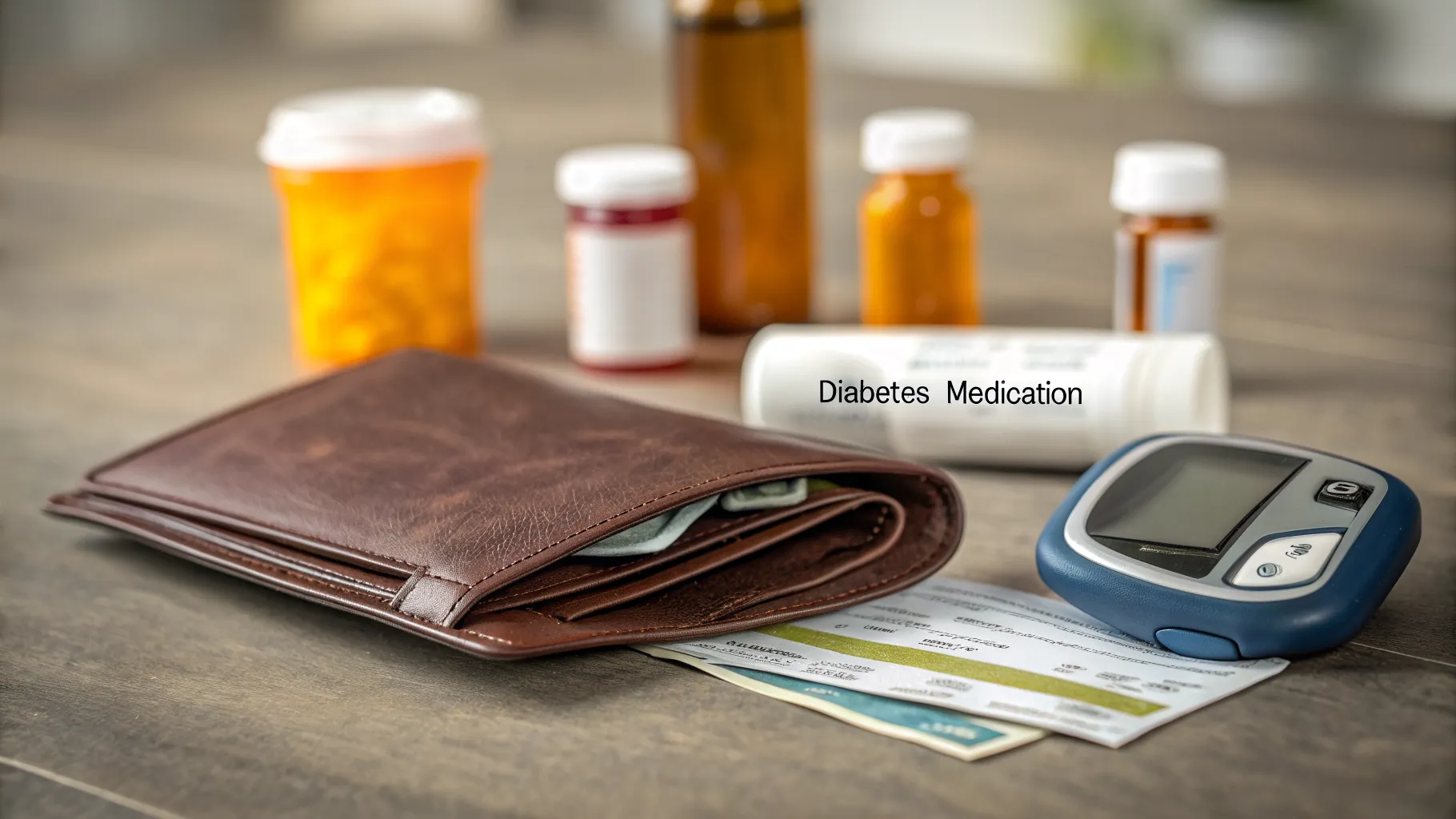
The Complexities Driving High Insulin Prices
One of the most critical components of diabetes medication costs is insulin prices. The cost of insulin, a life-saving drug for many people with diabetes, has become a symbol of the broader issues within the U.S. pharmaceutical market. Unlike many other developed nations where insulin costs are significantly lower, American patients often face exorbitant prices. This disparity is often attributed to a lack of genuine competition, a complex patent system that allows manufacturers to extend exclusivity, and the intricate web of pharmacy benefit managers (PBMs) who negotiate rebates and set formularies. The opaque nature of these negotiations often means that list prices remain high, even if net prices for insurers are lower, directly impacting uninsured or high-deductible patients. Understanding the journey of insulin from manufacturer to patient reveals multiple layers where costs accrue, significantly contributing to overall prescription drug spending.
Factors Influencing Overall Prescription Drug Spending for Diabetes
Beyond insulin, a wide array of oral medications, injectables, and monitoring supplies contribute to the substantial diabetes medication costs. Several factors collectively drive this prescription drug spending. Research and development costs, while often cited by pharmaceutical companies, are only one piece of the puzzle. Aggressive marketing and advertising campaigns by drug manufacturers also play a role, influencing prescription patterns and demand. Furthermore, the fragmented nature of the U.S. healthcare system, with its multiple payers and varying reimbursement rates, complicates pricing. The absence of a centralized body to negotiate drug prices, similar to those in other countries, leaves individual patients and private insurers at a disadvantage. This leads to a patchwork of pricing that can vary wildly depending on insurance plans, pharmacies, and even geographical location, severely impacting healthcare affordability.
The Impact on Healthcare Affordability and Patient Access
The escalating diabetes medication costs have profound implications for healthcare affordability and medication access. Many patients are forced to ration their insulin or other essential medications, leading to severe health complications, emergency room visits, and even death. This dire situation underscores a systemic failure to ensure that life-sustaining treatments are accessible to all who need them. High out-of-pocket expenses, co-pays, and deductibles can place an impossible burden on individuals and families, especially those with fixed incomes or without comprehensive insurance coverage. The long-term consequences of under-treatment due to financial constraints not only jeopardize individual health but also place a greater strain on the healthcare system as a whole, as preventable complications become medical emergencies. Addressing medication access requires a multi-pronged approach that tackles pricing, insurance coverage, and patient assistance programs.
Navigating Solutions: Policy Changes and Patient Advocacy
Addressing the crisis of diabetes medication costs requires a concerted effort from policymakers, industry stakeholders, and patient advocacy groups. Numerous proposals aim to reduce prescription drug spending, including allowing Medicare to negotiate drug prices, capping out-of-pocket insulin costs, and increasing transparency in pharmaceutical pricing. States have also begun implementing their own measures to cap insulin co-pays, providing some relief to residents. Patient advocacy plays a critical role in bringing these issues to the forefront and pushing for legislative change. Organizations dedicated to diabetes care work tirelessly to educate the public, lobby elected officials, and provide resources for patients struggling with healthcare affordability. These efforts are vital in shifting the landscape towards more equitable medication access.
Strategies for Patients to Mitigate High Costs
While systemic changes are underway, individual patients can employ several strategies to help manage their diabetes medication costs. Understanding insurance plans, utilizing patient assistance programs offered by pharmaceutical companies, and exploring generic alternatives where available are crucial first steps. Additionally, comparing prices at different pharmacies, including online pharmacies, can reveal significant savings. Consulting with healthcare providers about alternative medications or dosage adjustments that might be more cost-effective without compromising efficacy is also recommended. Exploring prescription discount cards or coupons can also provide short-term relief for high insulin prices or other prescription drug spending. Staying informed about legislative changes and advocating for policies that support greater healthcare affordability and medication access is also empowering.
Practical Steps to Reduce Your Diabetes Medication Costs
- Understand Your Insurance Plan Thoroughly: Familiarize yourself with your deductible, co-pays, and formulary. Knowing which medications are preferred and what your out-of-pocket maximums are can help you plan your prescription drug spending and avoid surprises. Contact your insurer directly if you have questions about specific diabetes medication costs.
- Explore Patient Assistance Programs (PAPs): Many pharmaceutical companies offer programs for eligible patients who cannot afford their medications. These programs can significantly reduce or even eliminate the cost of essential drugs like insulin. Research programs specific to your medications to improve medication access.
- Consider Generic and Biosimilar Options: When available, generic versions of oral medications or biosimilar insulins can be substantially cheaper than their brand-name counterparts. Discuss these options with your doctor to see if they are appropriate for your treatment plan, helping to lower overall diabetes medication costs.
- Shop Around for Pharmacy Prices: Prices for the same medication can vary significantly between pharmacies. Use online tools or call different pharmacies, including mail-order options, to compare prices for your prescriptions. This can be particularly impactful for reducing insulin prices.
- Utilize Prescription Discount Cards and Coupons: Websites and apps offer free discount cards or coupons that can provide savings at the pharmacy, sometimes even beating insurance co-pays. These tools can offer immediate relief from high diabetes medication costs.
Frequently Asked Questions
Why are diabetes medication costs so high in the U.S.?
The high diabetes medication costs in the U.S. are due to a complex interplay of factors, including a lack of price negotiation power for major payers like Medicare, the patent system allowing extended market exclusivity for drug manufacturers, the role of pharmacy benefit managers (PBMs) in drug pricing, and limited competition in the market, particularly for essential drugs like insulin. These elements contribute to significantly higher prescription drug spending compared to other developed nations.
Can I get help with my insulin prices?
Yes, there are several avenues for assistance with insulin prices. Patients can explore pharmaceutical company patient assistance programs (PAPs), state-specific insulin co-pay caps, and prescription discount cards or coupons. Discussing your financial situation with your healthcare provider can also lead to referrals for local resources or alternative, more affordable treatment options. These resources aim to improve medication access for those struggling with healthcare affordability.
Are generic diabetes medications as effective as brand-name ones?
Generally, generic diabetes medications are required by the FDA to be bioequivalent to their brand-name counterparts, meaning they contain the same active ingredients and work in the body in the same way. This typically means they are just as effective and safe. Biosimilar insulins are also rigorously tested to ensure they are highly similar to and have no clinically meaningful differences from an existing FDA-approved reference product. Always consult your doctor before making any changes to your medication regimen to ensure continued safety and efficacy while managing diabetes medication costs.
References
- American Diabetes Association
- Centers for Disease Control and Prevention
- U.S. Food and Drug Administration
- Kaiser Family Foundation
- Pharmaceutical Research and Manufacturers of America
Authored by 24Trendz team