Understanding the Chemotherapy Costs in the United States: A Deep Dive into Cancer Treatment Expenses
Facts:
- Chemotherapy costs are a major component of US healthcare expenses.
- Out-of-pocket expenses show an upward trend for chemotherapy costs in the United States.
Navigating the Complex Landscape of Chemotherapy Costs in the United States
The journey through cancer treatment often brings with it significant challenges, not least of which is understanding the immense cost of chemotherapy in the United States. Patients and their families frequently grapple with the multifaceted nature of cancer treatment expenses, from drug pricing to hospital fees and ancillary services. This financial landscape can add a substantial financial burden of cancer, requiring careful planning and access to accurate information to navigate effectively. Understanding the various components that contribute to the overall expenditure is crucial for anyone facing this difficult diagnosis within the US healthcare system.
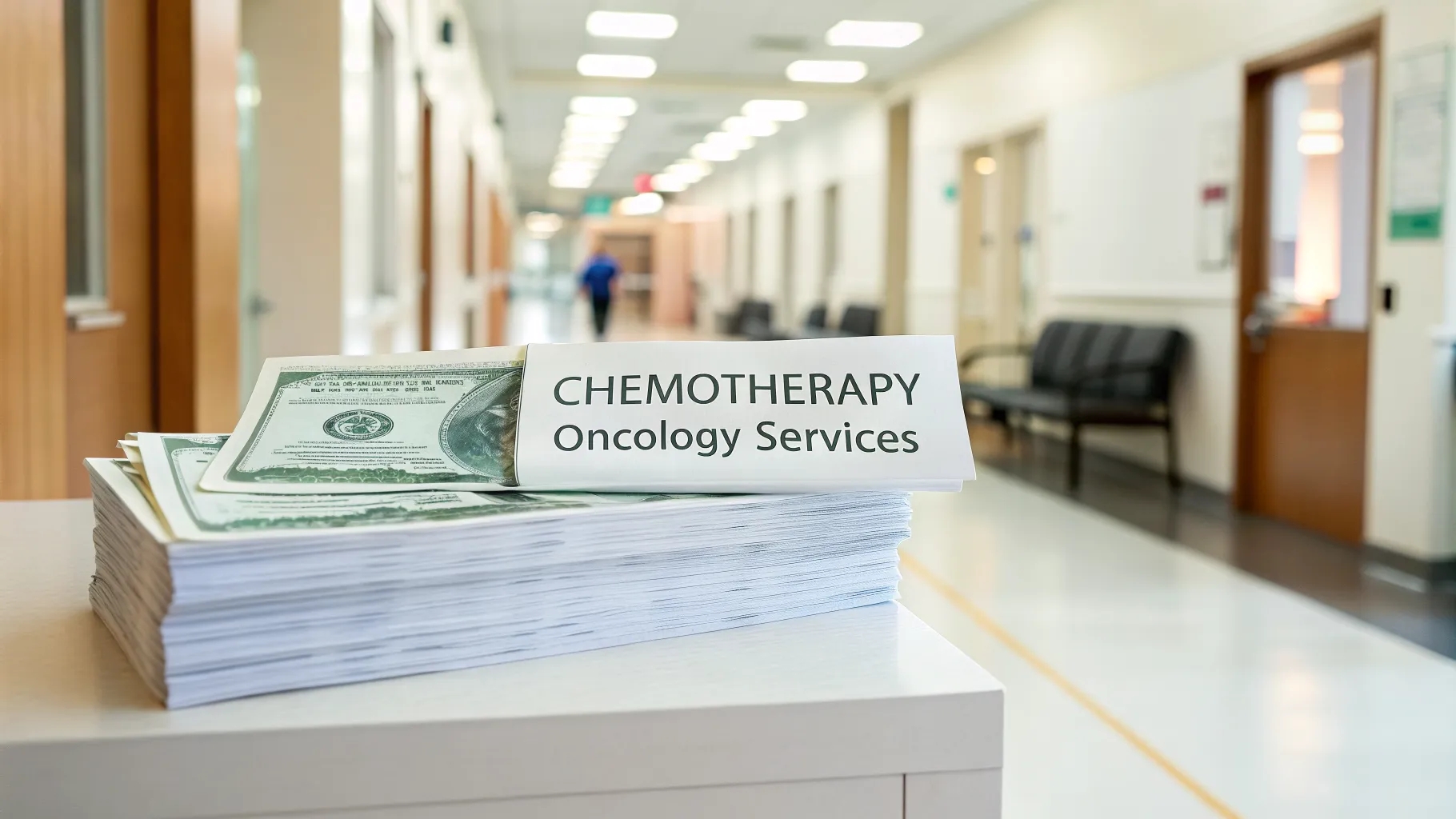
Components of Chemotherapy Costs
The overall cost of chemotherapy is not a single, fixed price but rather a compilation of several distinct charges. Foremost among these are the chemotherapy drug costs themselves, which can vary dramatically based on the specific drug, its dosage, and the duration of treatment. Many innovative cancer drugs are biologicals or highly specialized compounds, reflecting high research and development expenses. Beyond the drugs, patients incur administration fees, which cover the professional services of oncologists, nurses, and pharmacists involved in preparing and delivering the treatment. Furthermore, facility fees are charged by hospitals or outpatient clinics where the infusions or treatments take place, contributing significantly to the total cancer treatment expenses.
Insurance Coverage and Out-of-Pocket Expenses
While most Americans have some form of health insurance, the extent of coverage for chemotherapy costs can differ widely, creating a substantial financial burden of cancer. Private insurance plans, Medicare, and Medicaid each have unique structures concerning deductibles, co-pays, and out-of-pocket maximums. Patients often face high deductibles that must be met before insurance benefits fully kick in, followed by co-insurance percentages that require them to pay a portion of subsequent costs. Even with robust insurance, the cumulative out-of-pocket expenses for a prolonged course of chemotherapy can be staggering, leading many families to explore financial assistance options to manage the ongoing chemotherapy drug costs.
Factors Influencing Chemotherapy Pricing
Several critical factors influence the final price tag for chemotherapy. The type of cancer, its stage, and the specific regimen of drugs prescribed play a pivotal role, as different cancers require different medications, some of which are significantly more expensive than others. The duration of treatment, which can range from a few cycles to continuous therapy over years, also directly impacts the total cost of chemotherapy. Geographic location within the US healthcare system can lead to price disparities, with urban medical centers often having higher charges than rural facilities. Moreover, whether the treatment is administered in an inpatient hospital setting versus an outpatient clinic can also affect the overall cancer treatment expenses due to varying facility fees.
The Role of Pharmaceutical Companies and Drug Development
The high chemotherapy drug costs are often attributed to the substantial investment in research and development (R&D) made by pharmaceutical companies. Developing a new cancer drug can take over a decade and cost billions of dollars, with only a small percentage of experimental compounds making it to market. Once approved, drug manufacturers are granted patent protection, allowing them exclusive rights to sell the drug for a period. This exclusivity, combined with market dynamics and a complex supply chain, contributes to the premium pricing of novel oncology treatments. Efforts to balance innovation incentives with patient affordability remain a significant challenge within the US healthcare system.
Navigating Financial Assistance and Support Programs
Understanding and proactively seeking financial assistance is crucial for mitigating the financial burden of cancer. Patients have several avenues they can explore:
Understand Your Insurance Benefits: Thoroughly review your policy with your insurer and a financial counselor at your treatment center. Know your deductibles, co-pays, co-insurance, and out-of-pocket maximums for chemotherapy costs. Confirm which specific drugs and services are covered.
Patient Assistance Programs (PAPs): Many pharmaceutical companies offer PAPs that provide free or low-cost medications to eligible patients who cannot afford their chemotherapy drug costs. Eligibility is typically based on income and insurance status.
Hospital Financial Aid: Most hospitals have financial assistance programs or charity care policies. These can significantly reduce or eliminate bills for patients who meet certain income guidelines, especially for facility and administration fees related to cancer treatment expenses.
Non-Profit Organizations: Numerous non-profit organizations specialize in providing financial support for cancer patients. These may offer grants for living expenses, transportation, housing, or direct assistance with medical bills, helping to alleviate the broader financial burden of cancer.
Financial Counseling: Seek guidance from a financial navigator or counselor at your cancer center. They are experts in navigating the complexities of medical billing, insurance, and available assistance programs, offering personalized strategies to manage chemotherapy costs.
Frequently Asked Questions
What is the average cost of chemotherapy in the US?
The average cost of chemotherapy in the US varies widely depending on the type of cancer, the specific drugs used, the duration of treatment, and whether it's administered inpatient or outpatient. It can range from tens of thousands to hundreds of thousands of dollars per course of treatment, with significant out-of-pocket expenses even for insured patients.
How does insurance impact cancer treatment expenses?
Insurance significantly impacts cancer treatment expenses by covering a portion of the costs. However, patients typically still pay deductibles, co-pays, and co-insurance. The extent of coverage depends on the plan type (e.g., private, Medicare, Medicaid) and its specific benefits, often leaving patients with a considerable financial burden of cancer.
Are there ways to reduce the financial burden of cancer?
Yes, several strategies can help reduce the financial burden of cancer. These include utilizing patient assistance programs from pharmaceutical companies, applying for hospital financial aid, seeking support from non-profit organizations, and working with financial navigators to understand insurance benefits and explore all available resources for managing chemotherapy costs.
References
- American Cancer Society
- National Cancer Institute
- Pharmaceutical Research and Manufacturers of America (PhRMA)
- Kaiser Family Foundation
- Various academic medical journals and healthcare economic studies
Authored by 24Trendz team