Understanding Type 2 Diabetes: Symptoms, Treatments, and Blood Sugar Management
Fast Facts:
- Globally, over 400 million adults live with type 2 diabetes.
- Early detection of type 2 diabetes symptoms significantly improves treatment outcomes.
Unveiling the Early Stages and Progression of Type 2 Diabetes
Understanding type 2 diabetes symptoms is crucial for early detection and effective intervention. This chronic condition, characterized by the body's ineffective use of insulin, leads to elevated blood sugar management challenges. Recognizing the subtle early signs can prevent the progression of the disease and mitigate severe diabetes complications, enabling individuals to seek timely type 2 diabetes treatments and adopt crucial lifestyle changes.
Recognizing the Common Type 2 Diabetes Symptoms
The insidious nature of type 2 diabetes symptoms often means they develop gradually and may go unnoticed for years. Early indicators can be subtle, making it easy to dismiss them as minor inconveniences or signs of aging. However, persistent symptoms warrant medical attention. One of the most common early signs is increased thirst and frequent urination, a direct result of the kidneys trying to flush out excess glucose from the bloodstream. When blood sugar levels are high, the body draws fluid from tissues, leading to dehydration and increased thirst. This cycle also causes more trips to the bathroom. Another prevalent symptom is increased hunger, even after eating, because glucose isn't effectively entering cells to be converted into energy, leaving the body constantly craving more fuel. Fatigue and a general lack of energy are also significant indicators, as cells are deprived of necessary glucose. These non-specific symptoms are frequently overlooked, emphasizing the need for regular health check-ups, especially for those with risk factors for insulin resistance.
Advanced Manifestations and Diabetes Complications
As type 2 diabetes progresses without proper type 2 diabetes treatments, the symptoms become more pronounced and can lead to severe health issues. Blurred vision is a common complaint, caused by high blood sugar levels pulling fluid from the lenses of the eyes, affecting their ability to focus. If left unmanaged, this can lead to more serious vision problems like retinopathy or even blindness. Slow-healing sores or frequent infections are also characteristic, as high blood sugar impairs the body's ability to heal and fight off pathogens. Nerve damage, or neuropathy, can manifest as tingling, numbness, or pain in the hands and feet, which can become debilitating. This nerve damage also increases the risk of foot ulcers and amputations if proper care isn't taken. Weight loss, despite increased hunger, can occur as the body struggles to utilize glucose efficiently and starts burning fat and muscle for energy. Understanding these advanced diabetes complications underscores the urgency of proactive blood sugar management and consistent medical follow-up.
Effective Type 2 Diabetes Treatments and Management Strategies
Managing type 2 diabetes is a multifaceted approach that typically involves a combination of medication, dietary adjustments, and regular physical activity. The primary goal of type 2 diabetes treatments is to maintain optimal blood sugar management and prevent long-term complications. For many, the first line of treatment involves lifestyle modifications, including a balanced diet rich in whole foods, lean proteins, and healthy fats, while limiting processed sugars and refined carbohydrates. Regular exercise, even moderate activities like walking, can significantly improve insulin sensitivity and help control blood sugar. Medications such as metformin are often prescribed to reduce glucose production by the liver and improve insulin sensitivity. Other medications may include sulfonylureas, which stimulate the pancreas to produce more insulin, or SGLT2 inhibitors, which help the kidneys remove glucose from the body. In some cases, insulin therapy may become necessary, especially if the pancreas's insulin production declines over time. The choice of treatment is highly individualized, requiring close collaboration with healthcare providers to develop a personalized plan aimed at sustained glycemic control and improved quality of life.
The Role of Lifestyle Changes in Reversing Prediabetes
For individuals diagnosed with prediabetes, a condition where blood sugar levels are higher than normal but not yet high enough to be classified as type 2 diabetes, proactive lifestyle changes can often halt or even reverse the progression of the disease. This critical stage offers a window of opportunity to prevent full-blown diabetes and its associated diabetes complications. Adopting a healthier diet, focusing on portion control and reducing intake of sugary drinks and snacks, is paramount. Increasing physical activity to at least 150 minutes of moderate-intensity exercise per week can dramatically improve the body's response to insulin. Losing even a modest amount of weight, typically 5-7% of body weight, has been shown to significantly reduce the risk of developing type 2 diabetes. These preventative strategies not only address the immediate concern of elevated blood sugar but also contribute to overall well-being, enhancing cardiovascular health and energy levels. Early intervention through these dedicated efforts represents one of the most effective forms of type 2 diabetes treatments, focusing on prevention.
Understanding Insulin Resistance and Its Impact
Central to the development of type 2 diabetes is the phenomenon of insulin resistance. Insulin, a hormone produced by the pancreas, acts like a key, allowing glucose from the bloodstream to enter cells for energy. In insulin resistance, the body's cells don't respond effectively to insulin, meaning glucose struggles to enter the cells. Initially, the pancreas compensates by producing more insulin to overcome this resistance and keep blood sugar management within a normal range. However, over time, the pancreas can become exhausted and lose its ability to produce enough insulin to maintain healthy blood sugar levels, leading to hyperglycemia and eventually, a diagnosis of type 2 diabetes. Factors contributing to insulin resistance include genetics, obesity, a sedentary lifestyle, and a diet high in refined carbohydrates and unhealthy fats. Understanding this underlying mechanism is crucial for developing effective type 2 diabetes treatments and prevention strategies, as many interventions aim to improve insulin sensitivity and reduce the workload on the pancreas.
Navigating Diabetes Complications and Long-Term Health
Uncontrolled type 2 diabetes can lead to a range of serious and often debilitating diabetes complications affecting nearly every major organ system in the body. Long-term exposure to high blood sugar damages blood vessels and nerves. Cardiovascular diseases, including heart attacks and strokes, are significantly more prevalent in individuals with diabetes due to accelerated atherosclerosis. Kidney disease, or nephropathy, can progress to kidney failure, requiring dialysis or a kidney transplant. Vision problems, from blurred vision to diabetic retinopathy and even blindness, are common. Nerve damage, known as neuropathy, can cause pain, tingling, and numbness, especially in the extremities, increasing the risk of infections and amputations. Gastroparesis, a condition affecting stomach emptying, can also occur. Effective blood sugar management, regular monitoring, and adherence to prescribed type 2 diabetes treatments are paramount to mitigate these risks. Comprehensive care, including regular screenings for complications and collaboration with specialists like ophthalmologists, nephrologists, and podiatrists, is vital for long-term health and preventing severe outcomes.
Actionable Advice for Daily Blood Sugar Management
Monitor Blood Glucose Regularly:
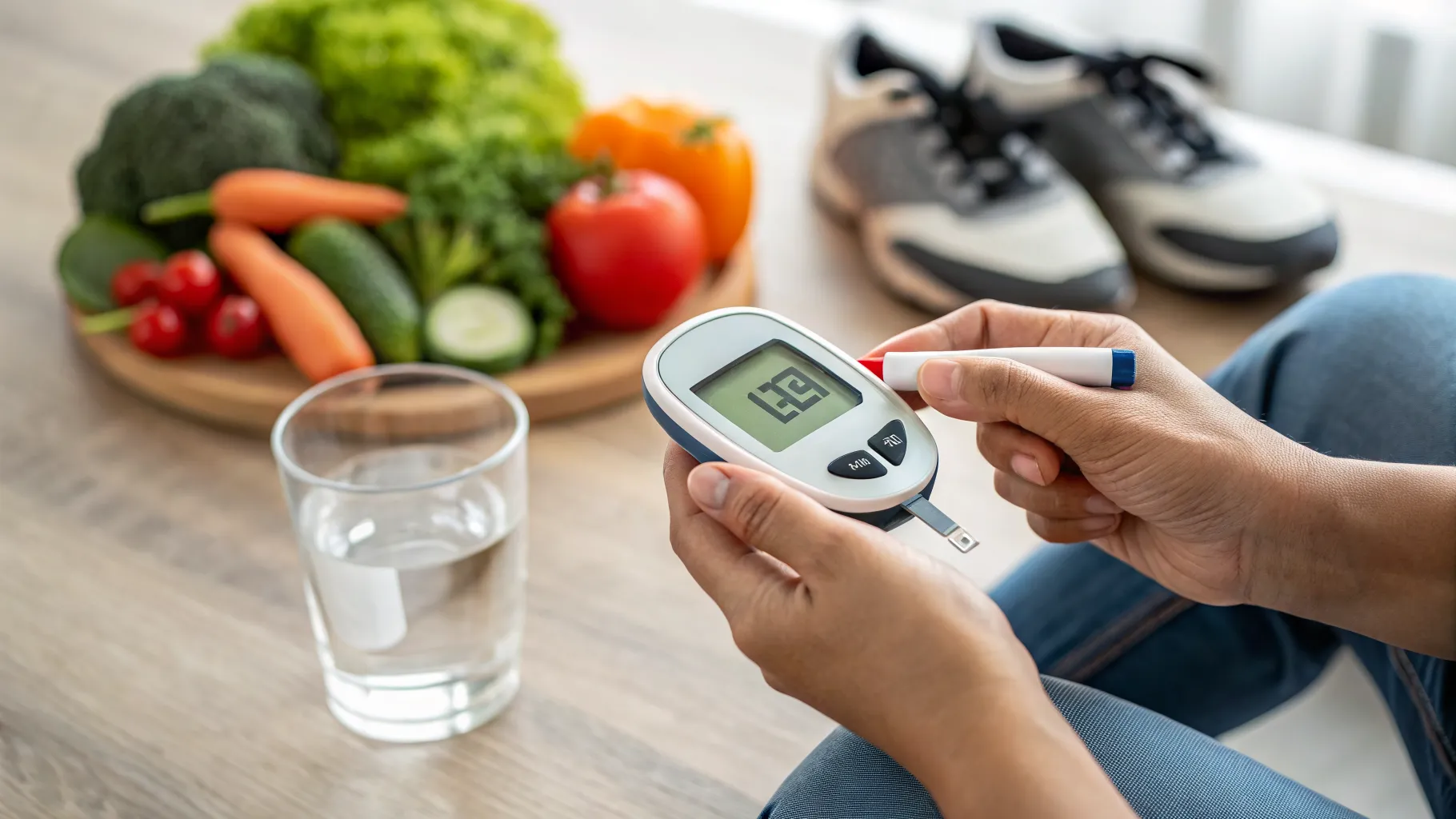
Consistent monitoring of your blood sugar management levels is fundamental to understanding how different foods, activities, and medications impact your body. Work with your healthcare provider to establish target ranges and a monitoring schedule. This data is invaluable for adjusting type 2 diabetes treatments and making informed daily decisions about your diet and exercise.
Adopt a Balanced Diet:
Focus on a diet rich in fruits, vegetables, whole grains, lean proteins, and healthy fats. Limit processed foods, sugary drinks, and refined carbohydrates, which can cause rapid spikes in blood sugar. Understanding carbohydrate counting and portion control can significantly aid in effective blood sugar management and reduce the severity of type 2 diabetes symptoms.
Engage in Regular Physical Activity:
Aim for at least 150 minutes of moderate-intensity aerobic exercise per week, such as brisk walking, swimming, or cycling. Additionally, incorporate strength training exercises a couple of times a week. Physical activity helps lower blood glucose levels, improves insulin sensitivity, and contributes to weight management, which is crucial for individuals with insulin resistance.
Maintain a Healthy Weight:
Losing even a modest amount of weight can have a profound impact on blood sugar management and reduce the risk of diabetes complications. Consult with a dietitian to create a sustainable weight loss plan that complements your type 2 diabetes treatments and overall health goals.
Adhere to Medication Schedules:
If prescribed medications, including insulin, take them exactly as directed by your doctor. Do not skip doses or adjust dosages without medical advice. Medications are a critical component of type 2 diabetes treatments and play a vital role in maintaining stable blood sugar levels.
Manage Stress Effectively:
Stress can elevate blood sugar levels. Incorporate stress-reduction techniques into your daily routine, such as meditation, yoga, deep breathing exercises, or spending time in nature. Effectively managing stress can positively impact your overall blood sugar management and well-being.
Frequently Asked Questions
What are the earliest type 2 diabetes symptoms to watch for?
The earliest type 2 diabetes symptoms can be subtle, including increased thirst, frequent urination, unexplained fatigue, and persistent hunger. Many people dismiss these as normal variations, but their persistence should prompt a medical consultation, especially if there are other risk factors for diabetes or insulin resistance.
How do lifestyle changes contribute to type 2 diabetes treatments?
Lifestyle changes are often the cornerstone of type 2 diabetes treatments, particularly in the early stages or for those with prediabetes. Adopting a healthy diet, engaging in regular physical activity, and achieving a healthy weight can significantly improve insulin sensitivity, lower blood sugar levels, and in some cases, even put the disease into remission, effectively aiding in blood sugar management.
Can type 2 diabetes be cured?
Currently, there is no definitive cure for type 2 diabetes. However, it can be effectively managed and, in some cases, put into remission through intensive lifestyle changes and medical interventions. Remission means blood sugar levels return to a healthy range without medication, but the underlying predisposition remains, requiring ongoing vigilance against the recurrence of type 2 diabetes symptoms.
What is insulin resistance and why is it important in type 2 diabetes?
Insulin resistance is a condition where the body's cells do not respond properly to insulin, leading to glucose accumulation in the bloodstream. It is the primary underlying mechanism in the development of type 2 diabetes. Understanding and addressing insulin resistance through diet, exercise, and medication is crucial for effective type 2 diabetes treatments and preventing diabetes complications.
References
- World Health Organization. Global report on diabetes.
- American Diabetes Association. Standards of Medical Care in Diabetes.
- National Institute of Diabetes and Digestive and Kidney Diseases. Type 2 Diabetes.
Authored by 24Trendz team