Understand Symptoms and Treatments for Hypertension: Effective Blood Pressure Control
Facts:
- Hypertension is a leading global risk factor for premature death.
- Early detection and effective treatment significantly reduce cardiovascular risks for adults worldwide.
Decoding the Silent Killer: Understanding Hypertension Symptoms and Early Detection
Hypertension, commonly known as high blood pressure, often presents without noticeable warning signs, earning it the ominous title "the silent killer." Recognizing the subtle hypertension symptoms is crucial for early diagnosis and intervention, preventing severe health complications like heart attack, stroke, and kidney disease. This comprehensive guide will explore the diverse manifestations of high blood pressure and delve into the multifaceted approaches to high blood pressure treatment and long-term managing hypertension, emphasizing the importance of proactive health measures.
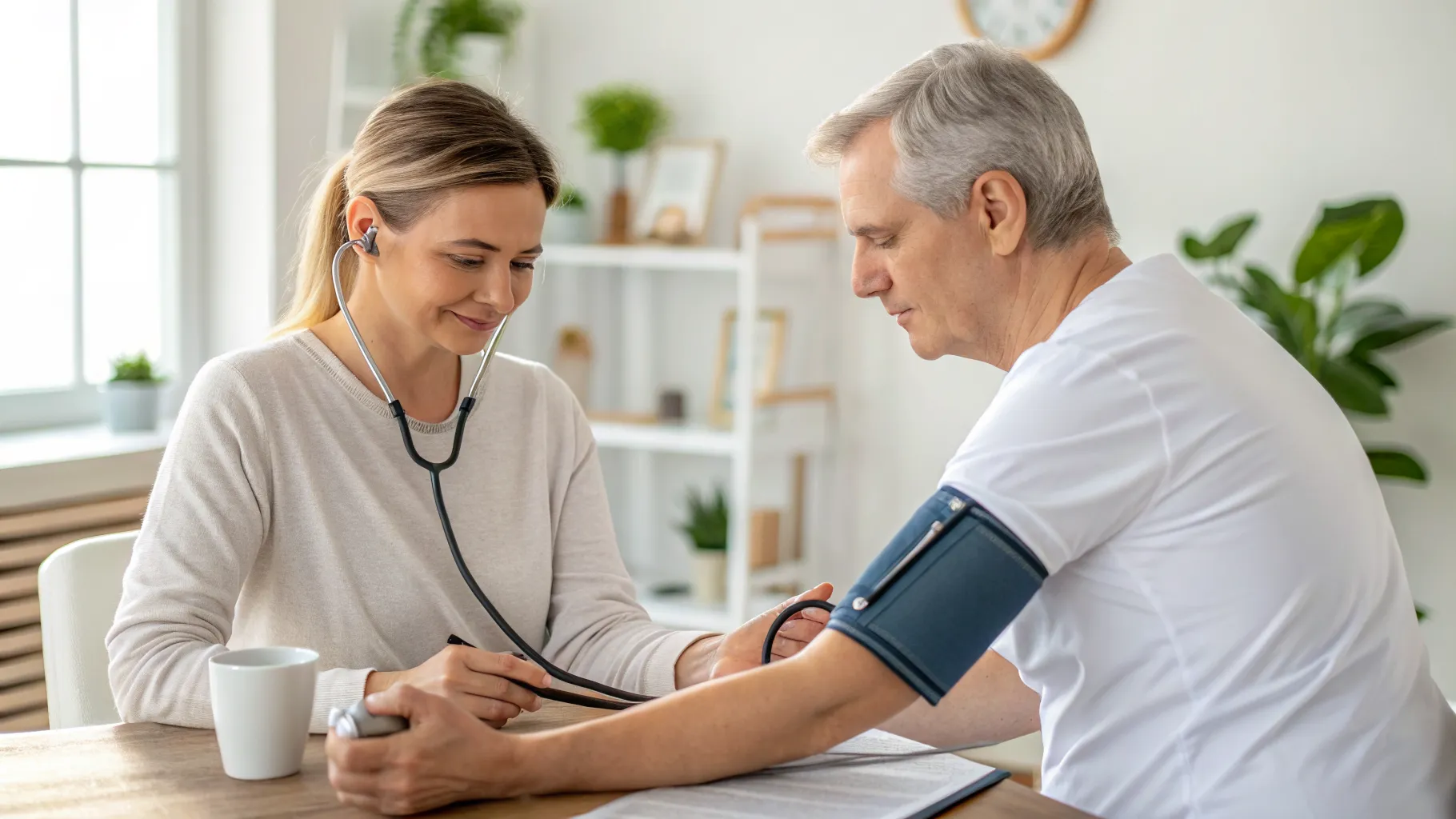
Unmasking the Subtle Hypertension Symptoms
Many individuals with high blood pressure experience no obvious indicators, highlighting why regular screenings are paramount. However, some common yet non-specific hypertension symptoms might appear, especially as the condition progresses. These can include dull headaches, dizzy spells, nosebleeds, and shortness of breath. It is important to note that these symptoms are often associated with other less serious conditions and do not definitively point to high blood pressure. Their presence, however, should prompt a medical evaluation to rule out underlying issues, including elevated blood pressure.
Common but Non-Specific Indicators
While often unnoticed, certain bodily signals can occasionally indicate the presence of uncontrolled hypertension. Persistent headaches, particularly in the morning, can be a subtle sign. Fatigue, confusion, vision problems like blurred or double vision, and even irregular heartbeats may occur. These are not exclusive to high blood pressure and can arise from various health issues, making a proper medical diagnosis essential for identifying true hypertension symptoms. Do not self-diagnose based on these alone; instead, consult a healthcare professional for accurate assessment and to initiate appropriate blood pressure control measures.
When to Seek Urgent Medical Attention
In severe cases, a hypertensive crisis can occur, presenting with more dramatic and urgent symptoms. This includes severe headaches, severe chest pain, sudden vision changes, difficulty breathing, numbness or weakness, especially on one side of the body, and severe anxiety. These are critical signs of dangerously high blood pressure requiring immediate emergency medical care. Prompt action is vital to prevent organ damage, stroke, or heart attack. Understanding these urgent signs is a key aspect of effectively managing hypertension and preventing life-threatening complications.
The Pillars of Effective High Blood Pressure Treatment
Effective high blood pressure treatment involves a combination of medication and significant lifestyle changes for hypertension. The approach is tailored to each individual, considering their overall health, age, and specific risk factors. The primary goal is to lower blood pressure to a healthy range, typically below 120/80 mmHg, thereby reducing the risk of cardiovascular events. Achieving sustainable blood pressure control requires consistent effort and close collaboration with healthcare providers.
Pharmacological Interventions
When lifestyle modifications alone are insufficient, medication becomes a critical component of high blood pressure treatment. Common drug classes include diuretics, beta-blockers, ACE inhibitors, angiotensin II receptor blockers (ARBs), and calcium channel blockers. Each class works differently to lower blood pressure, and a doctor will prescribe the most appropriate medication or combination based on the patient's condition and other health issues. Adherence to prescribed medication is paramount for effective managing hypertension and preventing its long-term complications.
Holistic Approaches to Blood Pressure Control
Beyond medication, a holistic approach integrates various strategies for optimal blood pressure control. This includes regular exercise, a balanced diet, stress reduction techniques, and limiting alcohol and caffeine intake. Embracing these changes can significantly amplify the effects of medication and, in some cases, even reduce the need for multiple drugs. The goal is to create a comprehensive plan that addresses all facets of health, promoting overall well-being alongside effective high blood pressure treatment.
Lifestyle Changes for Hypertension: A Foundation of Health
Implementing strategic lifestyle changes for hypertension is often the first line of defense and a continuous cornerstone of treatment. These changes are powerful tools for not only lowering blood pressure but also improving overall cardiovascular health and reducing the risk of other chronic diseases. These adjustments are highly recommended even before medication is considered and are essential for anyone undergoing high blood pressure treatment.
Dietary Adjustments and Sodium Reduction
A diet rich in fruits, vegetables, whole grains, and lean proteins, such as the DASH (Dietary Approaches to Stop Hypertension) diet, is highly effective. Reducing sodium intake is particularly crucial, as excess sodium contributes directly to elevated blood pressure. Learning to read food labels and choosing low-sodium options can make a significant difference in blood pressure control. Limiting processed foods, sugary drinks, and unhealthy fats also plays a vital role in preventing and managing hypertension.
The Role of Regular Physical Activity
Consistent physical activity is a potent medicine for high blood pressure. Aim for at least 150 minutes of moderate-intensity aerobic exercise, such as brisk walking, swimming, or cycling, per week. Regular exercise strengthens the heart, helps maintain a healthy weight, and directly lowers blood pressure. Even small increases in activity can yield benefits, making it a critical component of lifestyle changes for hypertension. Consult a doctor before starting any new exercise regimen.
Stress Management and Adequate Sleep
Chronic stress can contribute to high blood pressure. Incorporating stress-reducing techniques like meditation, yoga, deep breathing exercises, or spending time in nature can be highly beneficial. Additionally, ensuring 7-9 hours of quality sleep per night supports cardiovascular health and aids in blood pressure control. Prioritizing mental well-being alongside physical health is integral to effective managing hypertension.
Advanced Strategies for Managing Hypertension Long-Term
Effective long-term managing hypertension goes beyond initial treatment and requires continuous monitoring, self-care, and sometimes addressing underlying conditions. A proactive approach to health and consistent communication with healthcare providers are vital to sustain optimal blood pressure control and prevent complications.
Monitoring and Self-Care
Regular home blood pressure monitoring empowers individuals to track their progress and understand how their body responds to treatment and lifestyle changes. Keeping a detailed log of readings helps healthcare providers adjust medication and strategies. Beyond readings, self-care includes avoiding smoking, limiting alcohol, and regularly attending follow-up appointments to ensure the treatment plan remains effective and tailored to evolving needs. This vigilance is key to successful managing hypertension.
Addressing Secondary Hypertension
In some cases, high blood pressure is caused by an underlying medical condition, known as secondary hypertension. Conditions like kidney disease, thyroid problems, obstructive sleep apnea, or certain medications can lead to elevated blood pressure. Identifying and treating these root causes is essential for achieving sustainable blood pressure control. Healthcare providers will conduct thorough evaluations to rule out or address secondary causes as part of a comprehensive high blood pressure treatment strategy.
Preventing Complications and Improving Quality of Life
Proactive managing hypertension significantly reduces the risk of severe complications and markedly improves overall quality of life. By consistently adhering to treatment plans and embracing healthy habits, individuals can mitigate the long-term impact of high blood pressure and live healthier, more fulfilling lives. This holistic approach ensures comprehensive blood pressure control.
- Adopt a Heart-Healthy Diet: Emphasize whole, unprocessed foods, focusing on fruits, vegetables, lean proteins, and whole grains. Drastically reduce sodium intake to support lower blood pressure control.
- Engage in Regular Physical Activity: Aim for at least 150 minutes of moderate-intensity exercise weekly. This helps strengthen your heart and is a crucial part of lifestyle changes for hypertension.
- Monitor Blood Pressure Consistently: Regular home monitoring provides valuable data for your doctor, helping to fine-tune your high blood pressure treatment. Keep a log of your readings.
- Manage Stress Effectively: Incorporate relaxation techniques like meditation or yoga into your daily routine. Chronic stress can negatively impact managing hypertension.
- Limit Alcohol and Avoid Tobacco: Excessive alcohol consumption and smoking can significantly raise blood pressure and exacerbate existing hypertension symptoms.
- Adhere to Medications: Take prescribed blood pressure medications exactly as directed by your healthcare provider. Do not stop or adjust dosages without consulting your doctor.
- Maintain a Healthy Weight: Losing even a small amount of weight can have a profound positive effect on blood pressure control.
Frequently Asked Questions
Can hypertension symptoms always be felt?
No, one of the most dangerous aspects of hypertension is that it often has no noticeable symptoms, which is why it's called "the silent killer." Many people can have high blood pressure for years without realizing it, making regular screenings crucial for early detection and managing hypertension.
What is the primary goal of high blood pressure treatment?
The primary goal of high blood pressure treatment is to lower blood pressure to a healthy target range, typically below 120/80 mmHg, to prevent serious health complications such as heart attack, stroke, kidney disease, and heart failure. This is achieved through medication and lifestyle changes for hypertension.
How often should I check my blood pressure for effective managing hypertension?
If you have been diagnosed with hypertension, your doctor will advise on the frequency of blood pressure monitoring. Generally, checking your blood pressure at home once or twice a day, at the same time, is recommended for effective blood pressure control. Consistent monitoring helps track your progress and allows for timely adjustments to your treatment plan.
Are lifestyle changes for hypertension enough to lower blood pressure?
For some individuals with prehypertension or stage 1 hypertension, significant lifestyle changes for hypertension (such as diet, exercise, and stress management) can be sufficient to lower blood pressure to a healthy range. However, for many, especially those with higher blood pressure readings, these changes are an essential complement to medication as part of a comprehensive high blood pressure treatment plan.
References
- World Health Organization (WHO) Guidelines on the Management of Hypertension.
- American Heart Association (AHA) Recommendations for Blood Pressure Control.
- Centers for Disease Control and Prevention (CDC) Information on High Blood Pressure.
Authored by 24Trendz team