Recognizing Typical Type 2 Diabetes Indicators and Early Signs
Facts:
- Globally, millions live with undiagnosed type 2 diabetes.
- Early detection greatly improves management for individuals at risk.
Decoding the Body's Signals: Primary Type 2 Diabetes Indicators
Understanding the body's subtle signals is crucial in identifying potential health issues, especially concerning metabolic conditions like type 2 diabetes. The onset of type 2 diabetes is often gradual, meaning many individuals may live with the condition for years without realizing it. Recognizing the typical type 2 diabetes indicators and understanding what constitutes early diabetes signs can empower individuals to seek timely medical attention. This proactive approach can significantly impact health outcomes, preventing complications and improving long-term well-being. It is important to pay close attention to persistent changes in your body, as these can be critical hints from your system.
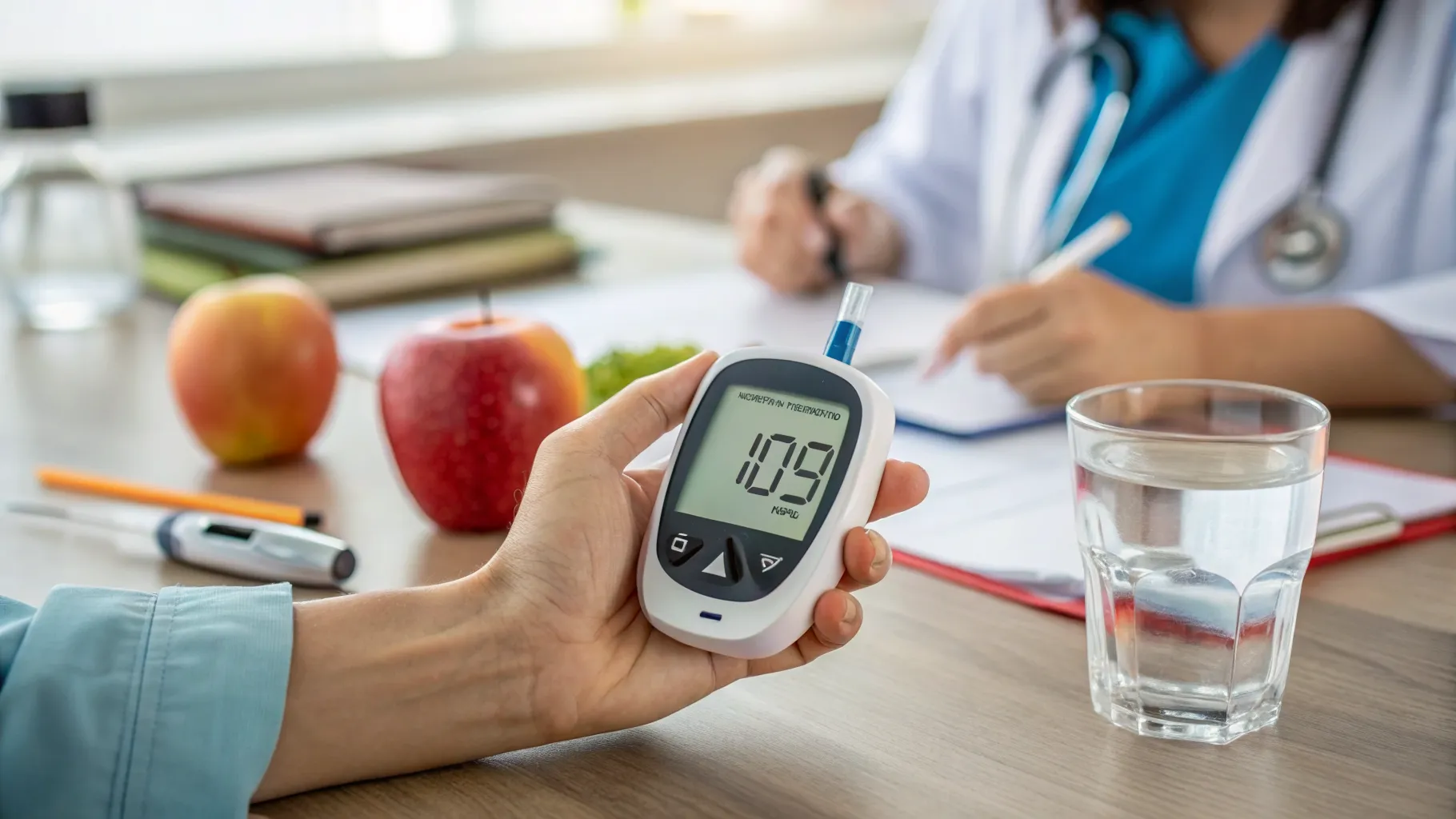
Common Physical Symptoms as Early Diabetes Signs
Many of the initial type 2 diabetes indicators manifest as common physical symptoms that can easily be dismissed or attributed to other factors. One of the most frequently reported symptoms is increased thirst, medically known as polydipsia. This occurs because elevated blood glucose levels pull fluid from your tissues, leading to dehydration. Consequently, frequent urination, or polyuria, is another key sign as your kidneys work overtime to filter and absorb the excess sugar. This often means waking up multiple times during the night to urinate. Additionally, persistent hunger, or polyphagia, can be an early diabetes sign. Despite eating more, individuals may feel constantly hungry because their cells aren't getting enough glucose for energy, as insulin resistance prevents its proper uptake. Unexplained weight loss, even with increased appetite, can also occur as the body begins to burn fat and muscle for energy. Furthermore, chronic fatigue is a pervasive symptom, stemming from the body's inefficient use of glucose for fuel, leaving cells energy-deprived. Blurred vision, another potential indicator, arises from fluid shifting into and out of the lens of the eye due to fluctuating blood sugar, affecting its ability to focus properly. These symptoms, when experienced persistently, warrant a medical evaluation to check for type 2 diabetes indicators.
Skin and Nerve-Related Type 2 Diabetes Indicators
Beyond the more commonly known symptoms, type 2 diabetes indicators can also appear on the skin and affect nerve function. Slow-healing sores and frequent infections are significant red flags. High blood sugar levels can impair the body's immune system and reduce blood circulation, particularly to the extremities, making it harder for wounds to heal and increasing susceptibility to bacterial and fungal infections. These infections can occur in the skin, gums, bladder, and vaginal areas. Another notable skin indicator is acanthosis nigricans, which presents as dark, velvety patches of skin, often in the armpits, groin, and neck folds. This condition is often a sign of insulin resistance. Nerve damage, or neuropathy, is a common complication of prolonged high blood sugar, and its early diabetes signs can include numbness, tingling, pain, or burning sensations in the hands and feet. This peripheral neuropathy can start subtly but progress over time, affecting sensation and potentially leading to more severe complications if undiagnosed diabetes persists. Such symptoms underscore the importance of recognizing these varied indicators for early intervention.
Understanding Diabetes Risk Factors and Lifestyle Connection
While recognizing type 2 diabetes indicators is vital, understanding the underlying diabetes risk factors can help in prevention and early screening. Genetics play a significant role; having a close relative with type 2 diabetes increases one's susceptibility. Age is another factor, with the risk increasing significantly after age 45, though it is increasingly seen in younger populations. Lifestyle choices are profoundly impactful; obesity and physical inactivity are among the strongest contributors to insulin resistance, a hallmark of type 2 diabetes. A diet high in processed foods, sugar, and unhealthy fats also contributes to weight gain and metabolic dysfunction. Certain ethnicities, including African Americans, Hispanic/Latino Americans, American Indians, and Asian Americans, have a higher prevalence of type 2 diabetes. Conditions like high blood pressure and high cholesterol also elevate the risk. Women who had gestational diabetes during pregnancy or have polycystic ovary syndrome (PCOS) are also at an increased risk. Being aware of these diabetes risk factors allows for targeted preventive strategies and more frequent monitoring for blood sugar red flags.
Recognizing Blood Sugar Red Flags and Urgent Concerns
While many type 2 diabetes indicators develop gradually, certain symptoms can signal a more urgent situation, indicating significantly elevated blood sugar levels—what we call blood sugar red flags. These include episodes of severe hyperglycemia, which can lead to diabetic ketoacidosis (DKA) in extreme cases, though DKA is more common in type 1 diabetes, a similar severe condition called hyperosmolar hyperglycemic state (HHS) can occur in type 2. Symptoms of DKA/HHS include extreme thirst, frequent urination, nausea, vomiting, abdominal pain, fruity-smelling breath, confusion, and even loss of consciousness. Frequent or recurring infections, especially yeast infections or skin infections, should also be considered a red flag, as high sugar levels create a favorable environment for microbial growth and impair the immune response. Any unexplained vision changes, particularly sudden blurriness or vision loss, require immediate medical attention. When these more severe type 2 diabetes indicators appear, it signifies that the body is struggling to cope with high glucose levels, and prompt medical intervention is essential to prevent life-threatening complications and to address potential undiagnosed diabetes effectively.
Proactive Steps for Addressing Undiagnosed Diabetes
For individuals who suspect they might be experiencing type 2 diabetes indicators or have significant diabetes risk factors, taking proactive steps is crucial. The first and most important action is to consult a healthcare provider. A simple blood test, such as a fasting plasma glucose test, an A1C test, or an oral glucose tolerance test, can accurately diagnose diabetes. Early diagnosis of undiagnosed diabetes allows for timely management, which can prevent or delay serious complications affecting the heart, kidneys, eyes, and nerves. Beyond diagnosis, lifestyle modifications are paramount. Adopting a balanced diet rich in whole foods, lean proteins, and healthy fats, while limiting refined carbohydrates and sugars, can help regulate blood sugar. Regular physical activity, even moderate exercise like brisk walking, improves insulin sensitivity and helps with weight management. Stress management techniques and adequate sleep are also beneficial. Regular follow-ups with a doctor will ensure that any treatment plan, which may include medication in addition to lifestyle changes, is effective and tailored to individual needs. Addressing blood sugar red flags and recognizing early diabetes signs can significantly improve long-term health outcomes.
Taking Control: Actionable Steps for Managing Diabetes Risk
- Regular Medical Check-ups: Schedule annual physicals and discuss any new or persistent symptoms with your doctor. Regular screening is vital, especially if you have diabetes risk factors.
- Monitor Your Diet: Focus on whole, unprocessed foods. Limit sugary drinks, refined grains, and unhealthy fats. Increase your intake of fiber, fruits, vegetables, and lean proteins to stabilize blood sugar.
- Engage in Physical Activity: Aim for at least 150 minutes of moderate-intensity aerobic exercise per week, combined with two or more days of strength training. This improves insulin sensitivity and helps manage weight.
- Maintain a Healthy Weight: Even a modest weight loss can significantly reduce the risk of developing type 2 diabetes and improve existing type 2 diabetes indicators.
- Stay Hydrated: Drink plenty of water throughout the day. This helps your kidneys flush out excess sugar and prevents dehydration, which can be exacerbated by high blood sugar.
- Manage Stress: Chronic stress can raise blood sugar levels. Incorporate stress-reducing activities like meditation, yoga, deep breathing exercises, or hobbies into your daily routine.
- Prioritize Sleep: Aim for 7-9 hours of quality sleep per night. Poor sleep can affect hormone levels and insulin sensitivity, contributing to blood sugar red flags.
Frequently Asked Questions
What are the most common type 2 diabetes indicators?
The most common indicators include increased thirst, frequent urination, persistent hunger, unexplained weight loss, chronic fatigue, and blurred vision. These symptoms arise from the body's inability to effectively use glucose for energy due to insulin resistance or insufficient insulin production.
Can early diabetes signs be mistaken for other conditions?
Yes, many early diabetes signs are non-specific and can be mistaken for symptoms of other health issues like kidney problems, urinary tract infections, or even simple dehydration. This is why a medical diagnosis through blood tests is essential to confirm diabetes.
When should I seek medical advice if I suspect undiagnosed diabetes?
You should seek medical advice immediately if you experience persistent symptoms such as excessive thirst and urination, unexplained weight loss, blurred vision, slow-healing sores, or tingling/numbness in your extremities. If you have significant diabetes risk factors, regular screening is recommended even without obvious symptoms.
References
- World Health Organization (WHO) - Diabetes Fact Sheet
- American Diabetes Association (ADA) - Diagnosis of Diabetes
- Centers for Disease Control and Prevention (CDC) - Diabetes Statistics
- National Institute of Diabetes and Digestive and Kidney Diseases (NIDDK) - Symptoms & Causes of Diabetes
Authored by 24Trendz team