Discovering the Top 15 Neonatal Intensive Care Units in the United States
Fast Facts:
- Over 40,000 infants born prematurely annually require neonatal intensive care.
- Technological advancements in neonatal care have significantly improved survival rates for high-risk newborns.
Understanding Excellence in United States Neonatal Intensive Care Units
For parents facing the critical challenge of a premature birth or a newborn with complex medical needs, identifying the nation's leading neonatal intensive care units (NICUs) is paramount. These specialized facilities represent the pinnacle of medical excellence, offering state-of-the-art technology, highly skilled multidisciplinary teams, and compassionate support tailored for the most vulnerable patients. This comprehensive guide highlights the top 15 institutions renowned for their exceptional contributions to infant health and their unwavering commitment to superior neonatal care outcomes, setting benchmarks for quality and innovation across the country. Understanding what distinguishes these premier centers can provide invaluable peace of mind during an incredibly stressful period.
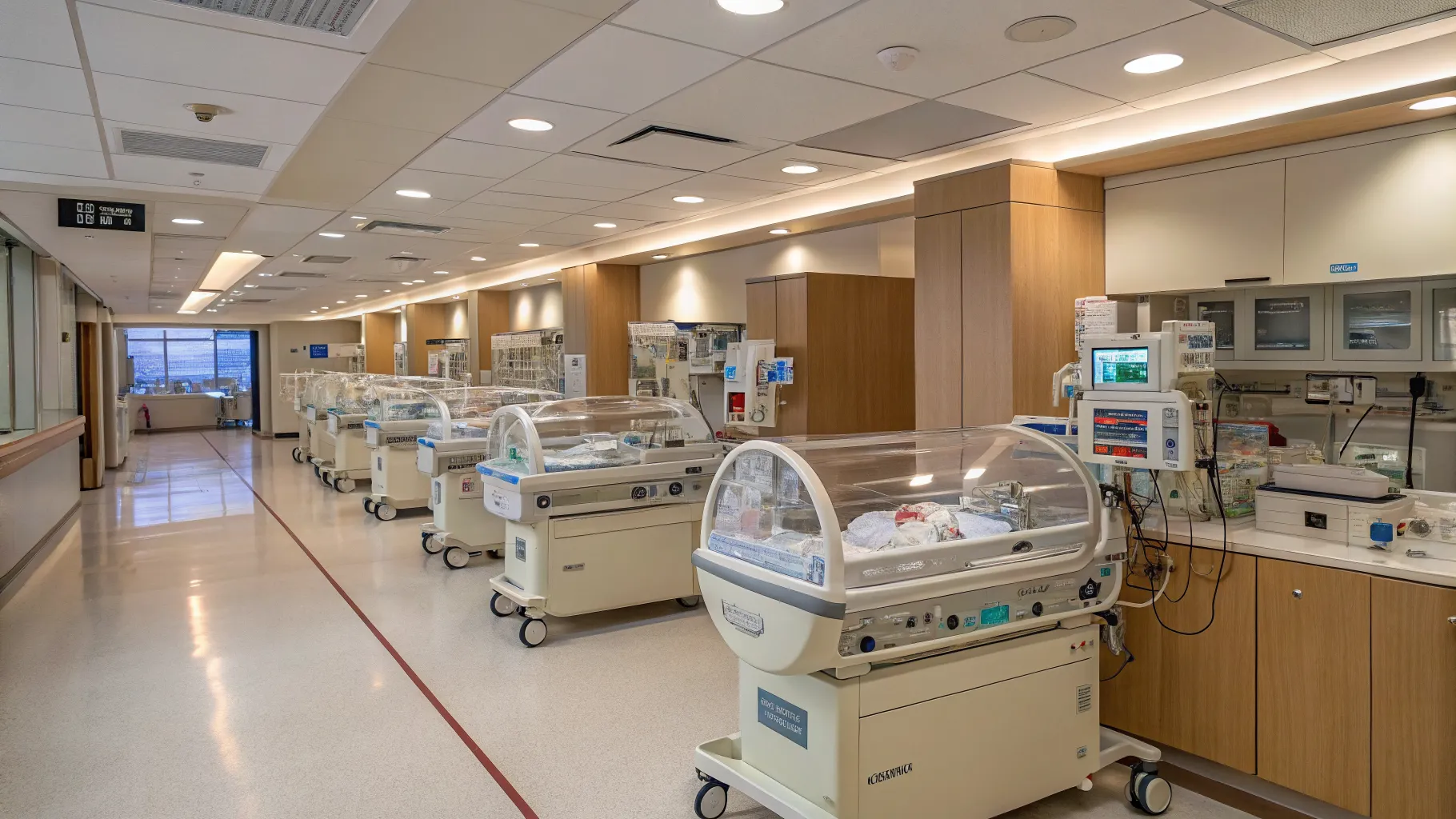
1. Children's Hospital of Philadelphia (CHOP) - Pennsylvania
CHOP's Harriet and Ronald Lassin Neonatal Intensive Care Unit is consistently recognized for its advanced life support capabilities and innovative treatments for the most complex congenital and acquired conditions. Their team, comprising neonatologists, surgeons, and nurses, specializes in extreme prematurity and surgical interventions, ensuring comprehensive specialized infant care. The unit's commitment to research significantly advances the field, leading to new protocols and therapies that benefit infants globally. Parents benefit from extensive support programs and comfortable family amenities.
2. Boston Children's Hospital - Massachusetts
As a leading pediatric hospital, Boston Children's NICU integrates seamlessly with its vast network of pediatric subspecialties. They are celebrated for their expertise in neurological conditions, congenital heart defects, and respiratory challenges in newborns. The hospital's focus on developmental outcomes and long-term follow-up care distinguishes their approach to neonatal care. They leverage cutting-edge imaging and diagnostic tools to tailor individualized treatment plans, ensuring each infant receives precision care.
3. Cincinnati Children's Hospital Medical Center - Ohio
Cincinnati Children's boasts one of the largest and most advanced neonatal intensive care units, known for its comprehensive range of services, including ECMO (Extracorporeal Membrane Oxygenation) for critically ill infants. Their strong emphasis on family-centered care means parents are integral to the care team, participating in rounds and decision-making. The center's research initiatives contribute significantly to understanding and preventing conditions affecting infant health, solidifying its reputation as a leader.
4. Texas Children's Hospital - Texas
Texas Children's Hospital's NICU is among the largest in the country, providing specialized care for infants with a wide array of conditions, including surgical and cardiac needs. Their Level IV Neonatal Intensive Care Unit offers the highest level of care available, handling the sickest and smallest infants. They are pioneers in fetal medicine, often diagnosing and preparing for complex conditions even before birth, ensuring a seamless transition to expert specialized infant care upon delivery.
5. Nationwide Children's Hospital - Ohio
Nationwide Children's Hospital in Columbus offers exceptional neonatal care with a focus on comprehensive support for families. Their NICU is known for its expertise in pulmonary hypertension and neurological issues in newborns. They provide developmental follow-up clinics, ensuring continuity of care well beyond discharge. Their innovative use of technology, combined with a strong commitment to family-centered practices, makes them a top choice for infant health services.
6. Lucile Packard Children's Hospital Stanford - California
Located in the heart of Silicon Valley, Lucile Packard Children's Hospital Stanford's NICU benefits from close ties to advanced research and technology. They excel in caring for extremely premature infants and those with complex surgical needs. The unit emphasizes creating a quiet, healing environment and provides extensive educational resources for parents, empowering them in their child's journey through neonatal intensive care.
7. Children's Hospital Los Angeles - California
Children's Hospital Los Angeles offers a world-class neonatal intensive care unit that provides highly specialized care for infants across the spectrum of medical needs. Their expertise extends to genetic disorders, metabolic conditions, and complex surgical cases, often coordinating care with a broad range of pediatric specialists. The unit is dedicated to advanced therapies and innovative approaches to improve long-term outcomes for infant health.
8. UCSF Benioff Children's Hospital San Francisco - California
UCSF Benioff Children's Hospital is celebrated for its excellence in high-risk pregnancies and complex neonatal care. Their state-of-the-art NICU is designed to support the unique needs of critically ill newborns, with a particular strength in brain injury and neurological development. They offer comprehensive services from prenatal diagnosis through long-term follow-up, ensuring continuity in specialized infant care.
9. Riley Hospital for Children at IU Health - Indiana
Riley Hospital's Neonatal Intensive Care Unit provides cutting-edge care for newborns across Indiana and beyond. They are known for their expertise in managing respiratory distress syndrome and other critical conditions, offering advanced ventilation strategies and therapies. The hospital maintains a strong focus on patient safety and continuous quality improvement, striving for the best possible outcomes in infant health.
10. Children's Healthcare of Atlanta - Georgia
Children's Healthcare of Atlanta operates one of the largest and most advanced NICUs in the Southeast, offering comprehensive care for all types of high-risk newborns. Their facility provides specialized services for cardiac conditions, neurological disorders, and genetic syndromes. They emphasize collaboration between various subspecialties to ensure holistic and integrated neonatal care, supported by dedicated family resources.
11. Children's National Hospital - Washington D.C.
Children's National Hospital is a major referral center for complex neonatal intensive care, particularly for conditions requiring surgical intervention or advanced medical management. Their team of experts provides specialized programs for prematurity, hypoxic-ischemic encephalopathy, and congenital anomalies. The hospital's commitment to research ensures that infants receive the most current and evidence-based specialized infant care available.
12. Rainbow Babies & Children's Hospital - Ohio
As part of University Hospitals, Rainbow Babies & Children's Hospital has a highly respected Neonatal Intensive Care Unit known for its expertise in pulmonary medicine and critical care. They offer advanced respiratory support and innovative treatments for infants with severe lung conditions. The unit is also recognized for its compassionate, family-centered environment, fostering strong partnerships between staff and parents in neonatal care.
13. Johns Hopkins Children's Center - Maryland
The Johns Hopkins Children's Center offers an exceptional neonatal intensive care unit, benefiting from the institution's pioneering research and clinical advancements. They excel in managing extreme prematurity, congenital anomalies, and complex medical conditions, providing a full spectrum of surgical and medical interventions. Their integrated approach ensures that every aspect of an infant's infant health and development is carefully monitored and supported.
14. Children's Hospital Colorado - Colorado
Children's Hospital Colorado provides a leading Neonatal Intensive Care Unit known for its specialized care for high-altitude-related conditions and complex surgical needs. Their multidisciplinary team offers comprehensive evaluations and treatments for a wide range of congenital and acquired conditions. The unit prioritizes neurodevelopmental outcomes and provides extensive follow-up programs to support long-term specialized infant care.
15. Ann & Robert H. Lurie Children's Hospital of Chicago - Illinois
Lurie Children's Hospital operates a state-of-the-art neonatal intensive care unit, renowned for its expertise in neurological and cardiac conditions in newborns. They offer advanced diagnostic imaging and innovative therapies, including therapeutic hypothermia for brain injury. The hospital's strong emphasis on developmental support and family integration makes it a top destination for comprehensive neonatal care and superior infant health outcomes.
What Distinguishes Top Neonatal Intensive Care Units?
The leading neonatal intensive care units are characterized by several critical factors that elevate their standard of care. Firstly, they boast a highly specialized and deeply experienced multidisciplinary team, including board-certified neonatologists, pediatric surgeons, neurological specialists, cardiologists, respiratory therapists, and developmental specialists, all working in concert to address every aspect of infant health. These teams often have lower patient-to-staff ratios, allowing for more individualized and attentive care. Secondly, advanced technology plays a pivotal role. This includes sophisticated life support systems, precision monitoring equipment, advanced imaging capabilities like bedside MRI, and innovative surgical techniques. Furthermore, top NICUs are heavily invested in cutting-edge research, continuously pushing the boundaries of what's possible in neonatal care and often participating in clinical trials for new therapies. This research focus not only attracts leading experts but also ensures that patients have access to the most current and effective treatments. Lastly, robust family support programs are a hallmark of excellent specialized infant care. This encompasses parental presence policies, educational resources, psychological support, and long-term developmental follow-up clinics, recognizing that family involvement is crucial for the infant's recovery and long-term well-being. These elements collectively create an environment optimized for the survival and thriving of the most fragile newborns.
Choosing the Right Neonatal Intensive Care Unit for Your Family
Assess the Level of Care: Understand the different levels of NICUs (Level I to IV). For extremely premature infants or those with complex surgical needs, a Level IV NICU, which offers the highest level of comprehensive specialized infant care, is essential. Confirm that the unit can handle the specific challenges your infant faces.
Inquire About Specialized Services: Investigate if the NICU has specific expertise relevant to your child's condition. For instance, if your baby has a congenital heart defect, look for a unit with a strong pediatric cardiology program. Similarly, a focus on neurodevelopmental support or advanced respiratory therapies might be crucial for specific conditions impacting infant health.
Consider Multidisciplinary Teams: A truly excellent neonatal intensive care unit will have a comprehensive team of specialists beyond neonatologists, including pediatric surgeons, neurologists, geneticists, dietitians, and social workers. This ensures a holistic approach to your child's complex needs and offers a broader spectrum of expertise in neonatal care.
Review Family-Centered Care Policies: A supportive environment for parents is critical. Inquire about visitation policies, opportunities for parental involvement in care, availability of parent education programs, and access to support groups. Proximity to the unit or available accommodations for families can also be an important consideration during your baby's journey in neonatal intensive care.
Examine Outcomes and Research: While challenging to obtain for individual units, hospitals that transparently share their outcomes data (e.g., survival rates for extreme prematurity) and are actively involved in research often represent leading institutions. This indicates a commitment to continuous improvement and advancement in infant health and care practices.
Frequently Asked Questions
What is the difference between a Level III and Level IV Neonatal Intensive Care Unit?
A Level III NICU provides comprehensive care for infants born at less than 32 weeks' gestation, those weighing less than 1,500 grams, and those with various medical and surgical conditions. A Level IV NICU, the highest level, offers all Level III capabilities plus immediate access to a full range of pediatric subspecialists, advanced imaging, and on-site surgical repair of complex congenital or acquired conditions. This ensures the highest degree of specialized infant care for the most critically ill newborns.
How important is family-centered care in a neonatal intensive care unit?
Family-centered care is immensely important. It recognizes that parents are crucial members of the care team and promotes their active participation in their infant's treatment and decision-making. This approach has been shown to improve bonding, reduce parental stress, enhance developmental outcomes for the infant, and empower families in their child's long-term neonatal care, contributing positively to overall infant health.
What types of conditions are typically treated in a top neonatal intensive care unit?
Top neonatal intensive care units treat a wide range of complex conditions, including extreme prematurity (birth before 28 weeks), respiratory distress syndrome, congenital heart defects, neurological conditions such as hypoxic-ischemic encephalopathy, surgical needs for conditions like gastroschisis or diaphragmatic hernia, genetic disorders, and severe infections. These units are equipped to handle the most critical and challenging cases in infant health.
References
- American Academy of Pediatrics Guidelines for Perinatal Care
- National Association of Neonatal Nurses Standards of Practice
- Journal of Perinatology Research and Clinical Articles
- Pediatrics Official Journal of the American Academy of Pediatrics
- World Health Organization Guidelines on Newborn Care
Authored by 24Trendz team