Discover The Best Way to Whiten Teeth: Your Guide to a Brighter Smile
Facts:
- Whitening can significantly improve confidence.
- Demand for teeth whitening procedures continues to rise globally.
Understanding Your Options for Achieving Pearly White Teeth
Achieving a dazzling, bright smile is a common aesthetic goal, and discovering the best way to whiten teeth involves understanding the myriad of options available. From in-office treatments supervised by dental professionals to convenient at-home kits, the journey to a brighter smile has become more accessible than ever. This comprehensive guide will explore the most effective and popular methods, ensuring you can make an informed decision to achieve your desired shade of white. Whether you're considering a significant transformation or a subtle enhancement, the right approach depends on various factors including desired speed of results, budget, and personal dental health.
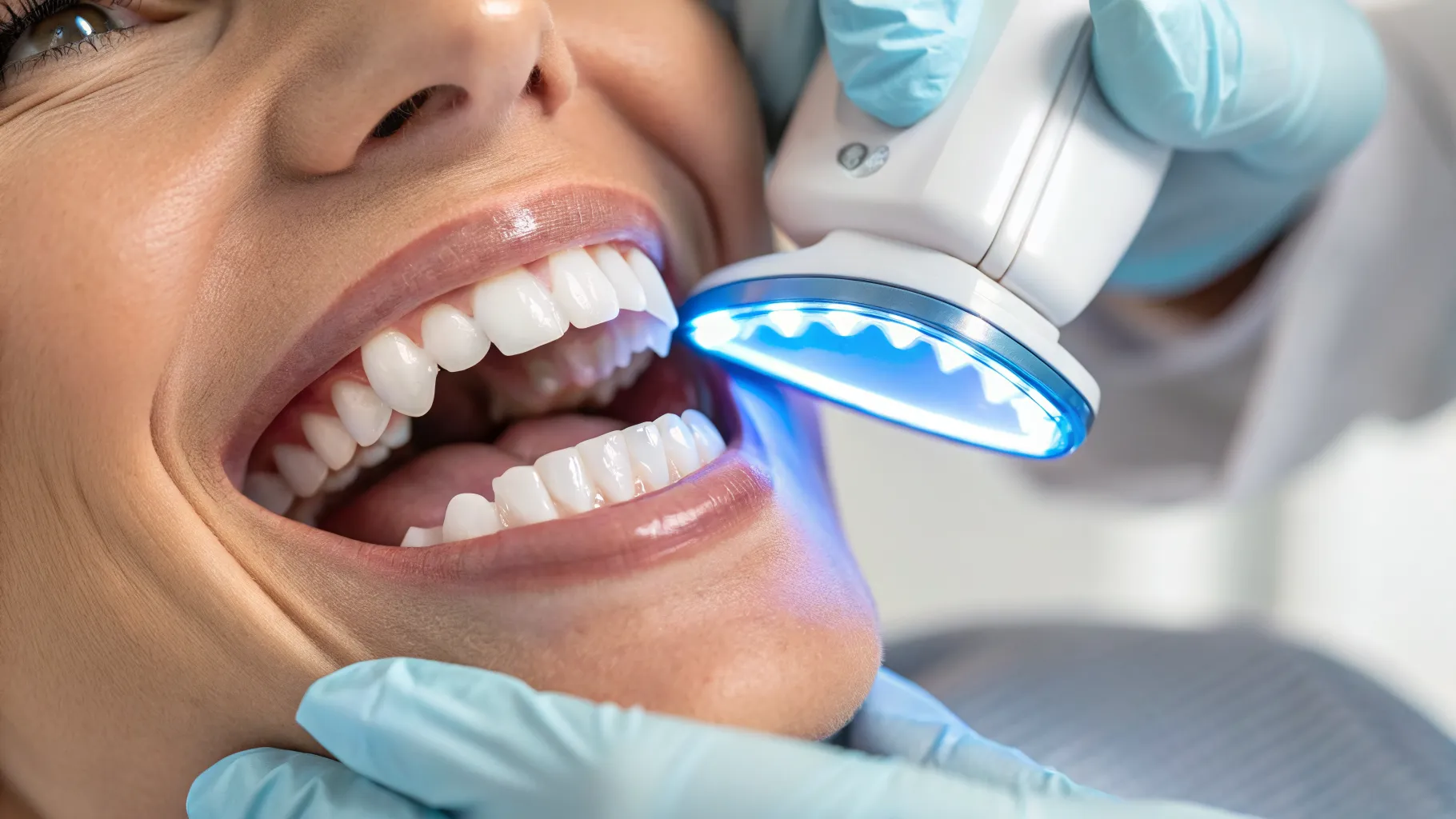
Exploring Professional Teeth Whitening Solutions
For those seeking rapid and dramatic results, professional teeth whitening stands out as a highly effective option. These treatments are performed in a dental office, utilizing higher concentrations of whitening agents (like hydrogen peroxide or carbamide peroxide) that are safely applied by a dental professional. Common methods include laser whitening, where a special light accelerates the bleaching process, and custom-fitted trays for supervised at-home use with professional-grade gels. The primary advantage of professional teeth whitening is the immediate and noticeable change, often achieving several shades lighter in just one or two appointments. Dentists can also address any underlying issues like tooth sensitivity or gum irritation, providing a safer and more controlled experience than unsupervised at-home methods. While typically more expensive, the supervised application and potent formulas deliver unparalleled efficacy and peace of mind.
Effective At-Home Teeth Whitening Methods
While professional treatments offer speed and intensity, many individuals find great success with at-home teeth whitening options. These products are designed for convenience and affordability, allowing users to whiten their teeth on their own schedule. Popular choices include whitening strips, which are thin, flexible strips coated with a peroxide-based gel that adhere to the teeth. These are incredibly easy to use and can provide noticeable results over several days or weeks. Other at-home teeth whitening methods involve brush-on gels, whitening toothpastes, and even over-the-counter trays. While less potent than professional formulas, consistent use of these products can still lead to significant improvement. It is crucial to follow the instructions carefully to avoid overuse, which can lead to temporary tooth sensitivity or gum irritation. Regular maintenance with these products can help prolong the effects of more intensive treatments or provide a gentle brightening for everyday use.
Lifestyle Habits for Maintaining a Whiter Smile
Achieving whiter teeth is only half the battle; maintaining that brilliance requires diligent lifestyle habits. The foods and beverages we consume play a significant role in tooth staining. Highly pigmented items such as coffee, tea, red wine, dark berries, and colas can cause extrinsic stains on the enamel. Reducing the consumption of these items or rinsing your mouth with water immediately after consuming them can significantly help. Furthermore, excellent oral hygiene is paramount. Brushing twice daily with a fluoride toothpaste, flossing daily, and using an antimicrobial mouthwash helps remove plaque and surface stains before they set in. Regular dental check-ups and cleanings also contribute to a brighter smile, as dental hygienists can remove stubborn plaque and tartar that at-home brushing cannot. Incorporating these habits into your daily routine is an essential part of sustaining your teeth whitening results and promoting overall dental health.
Addressing Common Concerns About Teeth Whitening
When considering teeth whitening, it's natural to have questions and concerns, particularly regarding safety and potential side effects. The most common concern is tooth sensitivity, which can manifest as a temporary sharp pain or discomfort. This is usually mild and subsides after the treatment concludes. Using toothpastes designed for sensitive teeth can help mitigate this. Another concern is gum irritation, which can occur if the whitening gel comes into contact with the gums. This is why professional application offers greater control. Many worry about potential damage to tooth enamel; however, when used as directed, modern teeth whitening products are generally safe and do not cause permanent damage to enamel. It's important to remember that existing dental work like crowns, veneers, or fillings will not whiten, potentially leading to uneven tooth color. Consulting with a dentist before starting any treatment ensures that your chosen method is appropriate for your individual dental health and expectations.
Choosing the Right Teeth Whitening Approach for You
Deciding on the best way to whiten teeth ultimately comes down to personal factors and desired outcomes. If you're looking for fast, dramatic results and are willing to invest in a professional service, in-office professional teeth whitening is likely your ideal choice. This option provides the highest concentration of active ingredients and the safety net of dental supervision. For those who prefer a more gradual, cost-effective, and convenient approach, at-home teeth whitening products like whitening strips or gels can be highly effective. The key is consistency and adherence to product instructions. Regardless of the method chosen, maintaining rigorous oral hygiene and mindful dietary habits will be crucial for prolonging your brighter smile. A consultation with your dentist is always recommended to discuss your goals, assess your dental health, and receive personalized advice on the most suitable and safest path to a whiter, more confident smile.
Frequently Asked Questions
Is teeth whitening safe for everyone?
While generally safe for most healthy adults, teeth whitening may not be suitable for individuals with certain dental conditions like severe gum disease, exposed roots, or specific allergies to whitening agents. Pregnant or breastfeeding women are also advised to avoid it. Always consult your dentist first.
How long do teeth whitening results last?
The longevity of teeth whitening results varies depending on the method used, your dietary habits, and your oral hygiene routine. Professional treatments can last from six months to two years, while at-home methods may require more frequent touch-ups. Avoiding stain-causing foods and regular brushing can prolong the effects.
Can whitening strips damage enamel?
When used as directed, modern whitening strips are designed to be safe for tooth enamel. Misuse, such as leaving them on for too long or using them too frequently, can lead to temporary tooth sensitivity or gum irritation, but generally not permanent enamel damage.
What is the difference between professional teeth whitening and at-home teeth whitening?
Professional teeth whitening involves higher concentrations of whitening agents applied by a dentist, offering faster and more dramatic results. At-home teeth whitening uses lower concentrations, providing a more gradual effect and greater convenience. Both can be effective, but professional treatments offer enhanced safety and efficacy due to supervision.
Does teeth whitening work on all types of stains?
Teeth whitening is most effective on extrinsic stains (surface stains caused by food, drink, and tobacco). Intrinsic stains (deeper stains from medication, trauma, or aging) may be more resistant and might require other cosmetic dental procedures like veneers or bonding for optimal results.
References
- American Dental Association: Statement on the Safety and Effectiveness of Tooth Whitening Products
- Journal of Esthetic and Restorative Dentistry: Efficacy of Over-the-Counter Whitening Products
- Dental Clinics of North America: Bleaching of Teeth – An Update
- Journal of the American Dental Association: Tooth Whitening: A Review of the Literature
Authored by 24Trendz team