Discover the Benefits of Tai Chi Classes for Seniors
Facts:
- Tai chi reduces falls by up to 50% in older adults.
- Popularity of senior wellness programs continues to rise for older adults.
Embracing Serenity and Strength: Why Tai Chi is Ideal for Older Adults
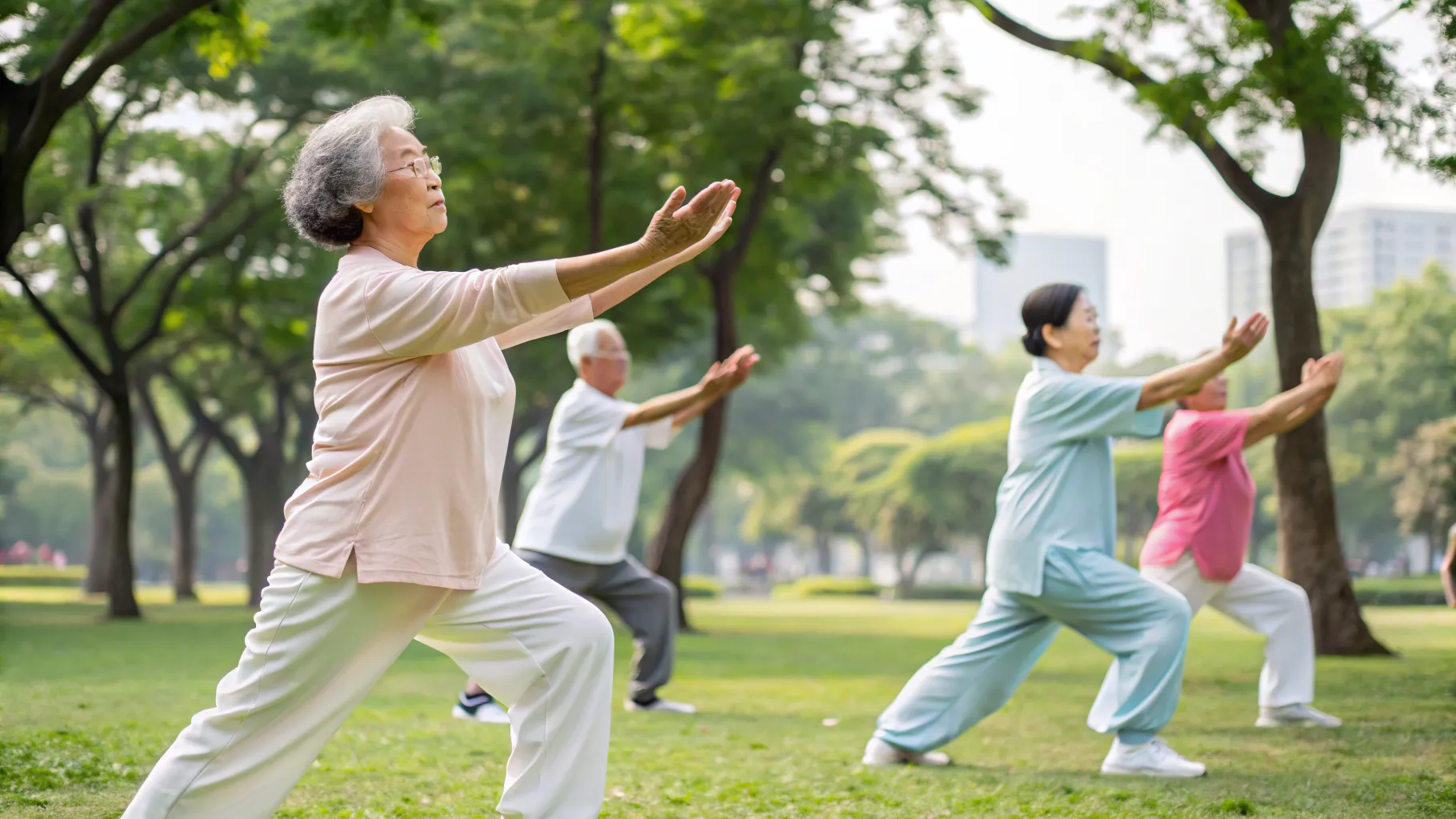
As we age, maintaining physical and mental well-being becomes increasingly important. Tai chi classes for seniors offer a unique blend of slow, deliberate movements, deep breathing, and meditation, making it an ideal gentle exercise for older adults. This ancient Chinese martial art, often described as "meditation in motion," provides numerous health benefits, from improving physical balance and flexibility to reducing stress and enhancing cognitive function. For many older adults, finding an activity that is both engaging and low-impact can be challenging, but Tai chi fills this niche perfectly by fostering a holistic approach to health.
The Multifaceted Health Benefits of Tai Chi for Seniors
Engaging in regular Tai chi classes for seniors offers a wide array of physical and mental health advantages that are particularly beneficial for an aging population. One of the most significant benefits is profound balance improvement. The slow, controlled movements of Tai chi strengthen core muscles, improve proprioception, and enhance coordination, which collectively reduce the risk of falls—a major concern for older adults. Beyond physical stability, participants often experience increased flexibility and range of motion in their joints, alleviating stiffness and discomfort associated with conditions like arthritis. This makes Tai chi a highly effective form of gentle exercise for older adults who may find high-impact activities too strenuous. The focus on mindful movement also cultivates a deeper connection between the mind and body, contributing to a sense of calm and well-being that extends beyond the class itself.
Understanding the Core Principles of Tai Chi for Better Engagement
To truly grasp the effectiveness of Tai chi for seniors, it's important to understand its underlying principles. At its heart, Tai chi emphasizes fluidity, relaxation, and proper alignment. Each movement flows seamlessly into the next, promoting continuous motion rather than static holds. This continuous flow helps to lubricate joints and improve circulation, making it a truly restorative mind-body practice. Relaxation is key; practitioners are encouraged to release tension throughout their bodies, allowing energy to flow freely. Proper alignment ensures that the body is supported efficiently, preventing strain and maximizing the benefits of each posture. Instructors in Tai chi classes for seniors often focus on these fundamental aspects, guiding participants through movements that are accessible and adaptable to various physical conditions. This patient and supportive environment is crucial for building confidence and encouraging consistent participation in any senior wellness programs.
Integrating Tai Chi into a Holistic Senior Wellness Program
Tai chi doesn't exist in a vacuum; its benefits are amplified when integrated into a broader senior wellness program. While it stands strong as a standalone activity, combining Tai chi for seniors with other healthy lifestyle choices can lead to superior outcomes. For instance, pairing Tai chi with a balanced diet rich in anti-inflammatory foods can further reduce joint pain and improve overall vitality. Regular social interaction, another crucial component of senior well-being, is naturally fostered in group Tai chi classes for seniors, helping to combat loneliness and isolation. Furthermore, incorporating mindful breathing techniques learned in Tai chi into daily routines can help manage stress and anxiety more effectively. This holistic approach ensures that older adults are not just exercising their bodies, but also nurturing their minds and spirits, leading to a truly comprehensive approach to healthy aging. The synergy between physical activity, mental clarity, and social engagement makes this mind-body practice an indispensable part of a vibrant senior lifestyle.
Finding the Right Tai Chi Class and Instructor
Choosing the right environment and instructor is paramount to a successful and enjoyable experience with Tai chi classes for seniors. Not all classes are created equal, and finding one tailored specifically for older adults is crucial. Look for instructors who specialize in teaching Tai chi for seniors and understand the unique needs and limitations of this demographic. They should emphasize slow, controlled movements, provide clear modifications for different fitness levels, and create a supportive, non-judgmental atmosphere. Many community centers, senior centers, and local gyms offer dedicated senior wellness programs that include Tai chi. Before committing, consider observing a class or taking a trial session. Pay attention to the instructor's teaching style, the group's dynamic, and whether the pace feels comfortable and beneficial. A good instructor will prioritize safety and individual progress, ensuring that participants can confidently pursue balance improvement and other health goals.
Tips for a Fulfilling Tai Chi Journey
Start Slowly and Be Patient: Tai chi is a journey, not a race. Focus on learning the basic movements and breathing techniques before trying to master complex forms. Consistency, even for short periods, is more valuable than infrequent, intense sessions. Remember that gentle exercise for older adults is about steady progress.
Listen to Your Body: Never push through pain. Tai chi should feel comfortable and restorative. If a movement causes discomfort, modify it or speak to your instructor. Adapting movements to suit your physical capabilities is a key aspect of making Tai chi for seniors effective.
Practice Regularly: Even short daily practice sessions at home can significantly enhance the benefits gained from formal Tai chi classes for seniors. Reinforcing what you learn helps solidify muscle memory and deepens your understanding of the mind-body practice.
Wear Comfortable Clothing and Footwear: Opt for loose, comfortable clothing that allows for a full range of motion. Flat, supportive shoes that don't restrict foot movement are ideal. This ensures you can focus on your movements without distraction.
Stay Hydrated: Although Tai chi is low-impact, it's still physical activity. Drink water before and after your practice to stay well-hydrated, supporting overall senior wellness programs.
Frequently Asked Questions
Can Tai chi really improve my balance improvement significantly?
Yes, numerous studies have shown that Tai chi is highly effective in improving balance and reducing the risk of falls in older adults. The slow, controlled movements, combined with a focus on weight shifting and core stability, directly strengthen the muscles responsible for balance and enhance proprioception. Consistent participation in Tai chi classes for seniors can lead to substantial gains in stability.
Is Tai chi suitable for someone with limited mobility or chronic conditions?
Tai chi is often recommended as a gentle exercise for older adults and is highly adaptable for individuals with limited mobility or chronic conditions such as arthritis, osteoporosis, or heart disease. Many Tai chi for seniors programs offer modifications, including seated versions of the forms, to accommodate varying physical capabilities. It's always advisable to consult with your doctor before starting any new exercise regimen.
What is the difference between Tai chi and yoga for seniors?
While both Tai chi and yoga are mind-body practice forms that promote flexibility, balance, and relaxation, they differ in their origins and emphasis. Tai chi originated as a martial art and focuses on continuous, flowing movements, often performed in a sequence or "form." Yoga, originating in ancient India, typically involves holding static poses (asanas) and places a greater emphasis on stretching and specific breathing exercises (pranayama). Both are excellent senior wellness programs, and the best choice often comes down to personal preference and what resonates most with an individual's goals.
References
- Journal of Gerontology: Medical Sciences
- National Institute on Aging (NIA)
- Harvard Health Publishing
- Age and Ageing Journal
Authored by 24Trendz team