Understanding Standard Sleep Apnea Indicators and Red Flags
Facts:
- Snoring is a primary sleep apnea symptom.
- Undiagnosed sleep apnea affects millions globally, impacting health.
Recognizing the Key Standard Sleep Apnea Indicators
Understanding the standard sleep apnea indicators and red flags for sleep apnea is crucial for early detection and intervention. This prevalent sleep disorder, characterized by pauses in breathing during sleep, can lead to severe health complications if left untreated. Recognizing the initial signs can empower individuals to seek timely medical advice and improve their overall quality of life by addressing the underlying issues of obstructive sleep apnea and central sleep apnea.
Common Nocturnal Sleep Apnea Symptoms
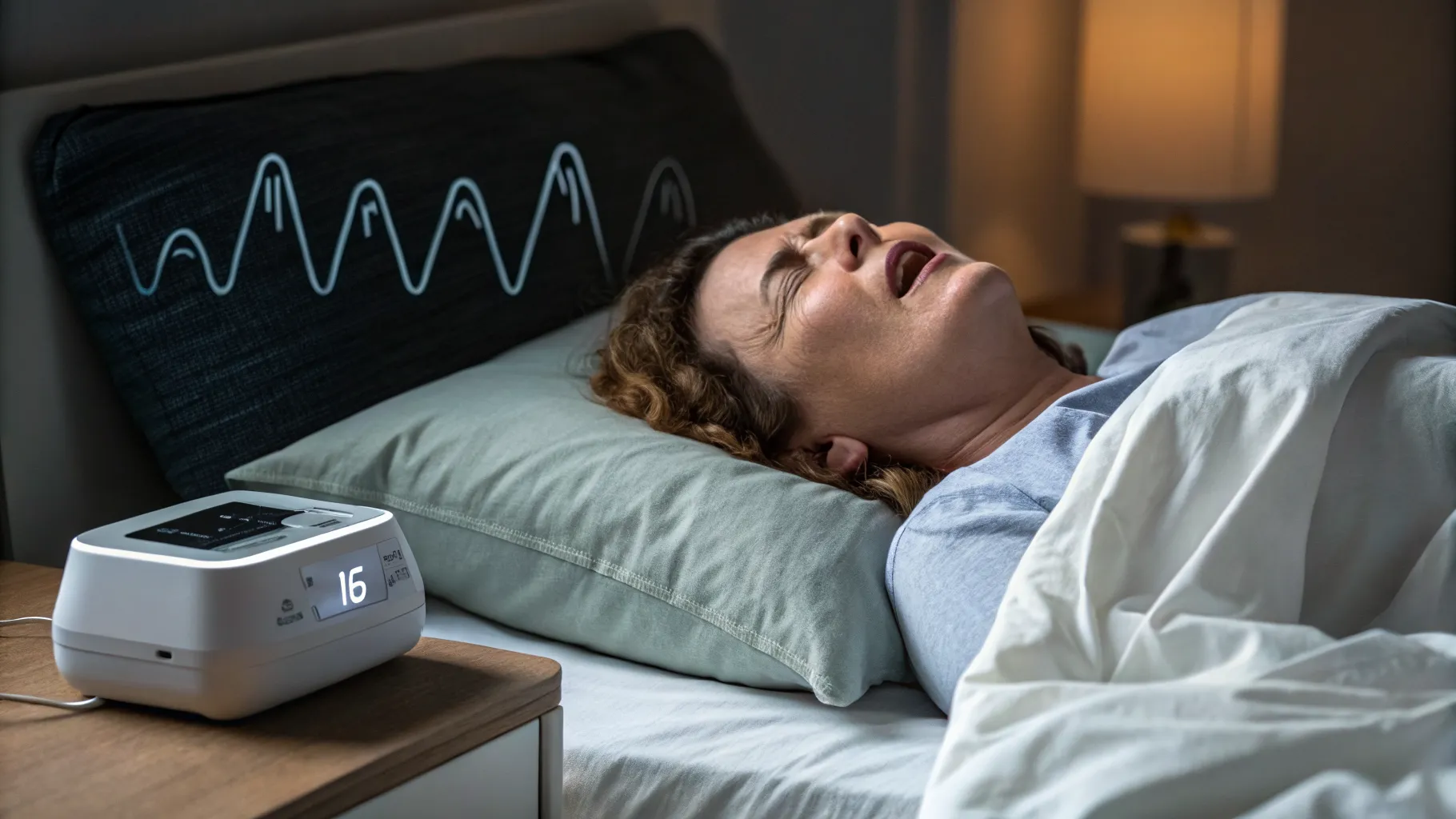
The night often reveals the most prominent sleep apnea symptoms. Loud, chronic snoring is one of the clearest red flags for sleep apnea, often described by bed partners as disruptive and inconsistent. Beyond just noise, observed pauses in breathing, followed by gasps or choking sounds, are direct manifestations of the airway obstruction or brain signal failure characteristic of this condition. Individuals may also experience restless sleep, frequently waking up or tossing and turning, though they might not fully recall these disturbances. These nocturnal sleep apnea indicators are vital clues that signal the need for further investigation into a potential diagnosis.
Daytime Indicators and Their Impact
While the night holds many clues, sleep apnea indicators extend well into the day, significantly impacting daily functioning. Excessive daytime sleepiness, despite seemingly adequate time in bed, is a hallmark sign. This profound fatigue can lead to difficulty concentrating, impaired memory, and reduced productivity. Many individuals report morning headaches, which are often a result of decreased oxygen levels during sleep. Irritability, mood swings, and even symptoms resembling depression can also be linked to the chronic sleep deprivation caused by both obstructive sleep apnea and central sleep apnea. Recognizing these persistent daytime challenges as potential red flags for sleep apnea is critical for initiating a path towards treatment.
Differentiating Obstructive vs. Central Sleep Apnea
While both forms present similar challenges, understanding the distinction between obstructive sleep apnea (OSA) and central sleep apnea (CSA) is vital for accurate diagnosis and tailored treatment. Both are serious conditions, but their underlying mechanisms differ, leading to subtle variations in sleep apnea indicators and management strategies.
Obstructive Sleep Apnea (OSA) Specifics
Obstructive sleep apnea is the more common type, occurring when the muscles in the back of the throat relax excessively during sleep, causing the airway to narrow or close completely. This blockage prevents sufficient air from reaching the lungs, leading to repeated interruptions in breathing. The body's attempt to resume breathing often results in loud snores, gasps, or chokes. These physical obstructions are the primary sleep apnea indicators for OSA and are typically associated with structural issues in the airway, often exacerbated by factors like obesity, tonsil size, or nasal congestion.
Central Sleep Apnea (CSA) Distinctions
In contrast, central sleep apnea involves a failure of the brain to send proper signals to the muscles that control breathing. There is no physical blockage of the airway; rather, the brain temporarily 'forgets' to breathe. This means there are often fewer or no gasping or choking sounds, and snoring might be less prominent. CSA is less common than OSA and is frequently associated with other medical conditions, such as heart failure, stroke, or certain medications. Recognizing these distinct neurological red flags for sleep apnea is essential for guiding diagnostic tests and ensuring appropriate clinical management.
Why Early Detection of Sleep Apnea Indicators Matters
Ignoring standard sleep apnea indicators and red flags for sleep apnea can have profound and lasting health consequences. Untreated sleep apnea significantly increases the risk of developing serious cardiovascular problems, including high blood pressure, heart attack, stroke, and irregular heartbeats. It can also worsen conditions like type 2 diabetes and contribute to metabolic syndrome. The chronic fatigue and cognitive impairment resulting from fragmented sleep can lead to increased accident risk, reduced quality of life, and diminished mental well-being. Early detection and intervention for both obstructive sleep apnea and central sleep apnea are crucial to mitigate these risks and preserve long-term health.
Steps Towards a Sleep Apnea Diagnosis
If you suspect you or a loved one are exhibiting sleep apnea indicators, the first crucial step is to consult a healthcare professional. Your doctor will likely conduct a physical examination, discuss your symptoms, and review your medical history. To confirm the diagnosis of obstructive sleep apnea or central sleep apnea, a sleep study, known as polysomnography, is usually recommended. This study monitors various bodily functions during sleep, including breathing patterns, oxygen levels, heart rate, and brain activity. The data collected from these tests helps identify specific sleep apnea indicators and determine the severity of the condition, guiding subsequent treatment plans.
Actionable Steps for Addressing Suspected Sleep Apnea
- Consult a Healthcare Professional: Schedule an appointment with your primary care physician or a sleep specialist immediately if you notice consistent standard sleep apnea indicators. Early consultation is crucial for accurate diagnosis and management.
- Keep a Sleep Diary: Document your sleep patterns, including sleep and wake times, any observed nocturnal disturbances (like snoring, gasping), daytime fatigue levels, and mood changes. This detailed information can provide valuable insights for your doctor regarding your sleep apnea symptoms.
- Consider Lifestyle Modifications: For many, lifestyle changes can significantly alleviate red flags for sleep apnea. These may include maintaining a healthy weight, avoiding alcohol and sedatives before bed, sleeping on your side rather than your back, and quitting smoking.
- Understand Treatment Options: Familiarize yourself with common treatment approaches once diagnosed, such as Continuous Positive Airway Pressure (CPAP) therapy for obstructive sleep apnea, oral appliances, or in some cases, surgical interventions. For central sleep apnea, treatment often focuses on managing underlying conditions.
Frequently Asked Questions
What are the most common standard sleep apnea symptoms?
The most common standard sleep apnea symptoms include loud and chronic snoring, observed pauses in breathing during sleep, gasping or choking during sleep, and excessive daytime sleepiness. These are significant red flags for sleep apnea that warrant medical attention.
Can children also experience sleep apnea indicators?
Yes, children can also exhibit sleep apnea indicators, though they may differ from adults. Symptoms often include snoring, restless sleep, bedwetting, behavioral problems, and difficulty concentrating at school. Pediatric obstructive sleep apnea is a recognized condition requiring specialized evaluation.
How is obstructive sleep apnea diagnosed?
Diagnosis of obstructive sleep apnea typically involves a comprehensive evaluation by a doctor, often followed by a sleep study (polysomnography) conducted either in a sleep lab or at home. This study monitors breathing, oxygen levels, heart rate, and brain activity to identify specific sleep apnea indicators.
References
- American Academy of Sleep Medicine Guidelines
- National Heart, Lung, and Blood Institute Research on Sleep Apnea
- World Health Organization Reports on Chronic Diseases and Sleep
Authored by 24Trendz team