Identifying Critical Sleep Apnea Warning Signs for Better Health
Fast Facts:
- Over 22 million Americans suffer from sleep apnea.
- Prevalence for obstructive sleep apnea increases with age and obesity.
Recognizing the Subtle Indicators of Sleep Apnea Warning Signs
Sleep apnea warning signs are often subtle and can easily be overlooked, leading to significant long-term health complications if left undiagnosed and untreated. This serious sleep disorder is characterized by repeated interruptions in breathing during sleep, causing fragmented rest and myriad daytime issues. Understanding these indicators is the first crucial step toward seeking help and improving overall well-being. From common nightly disturbances to insidious daytime symptoms, recognizing these alerts is vital for anyone suspecting they might be affected by this prevalent condition.
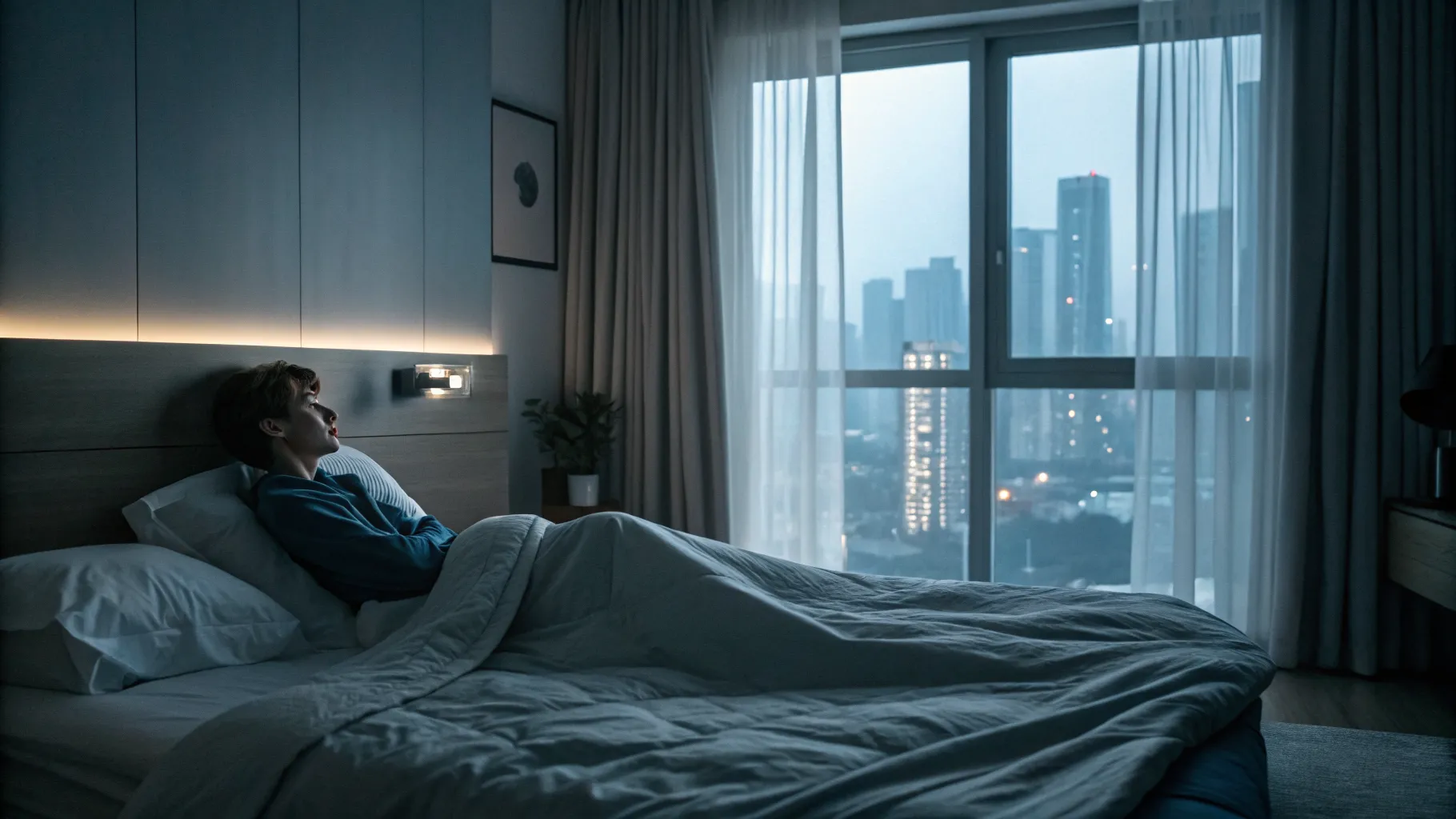
Common Nocturnal Warning Signs of Sleep Apnea
The night often reveals the most telling indications of sleep apnea, though the individual experiencing them may be completely unaware. These nightly disturbances are frequently reported by bed partners, who witness the unsettling pattern of interrupted breathing. Identifying these specific nocturnal warning signs is paramount for understanding the potential presence of this serious sleep disorder.
Loud and Frequent Snoring
While snoring is common, very loud and persistent snoring, especially if it's accompanied by periods of silence, is a hallmark sleep apnea warning sign. This isn't just regular snoring; it's often described as disruptive and irregular, frequently punctuated by gasps or chokes as breathing resumes. The intensity of the snoring usually increases just before an apneic event, signaling an obstruction in the airway. This type of snoring indicates significant airflow resistance, often a precursor to complete or partial airway collapse, which is central to obstructive sleep apnea.
Observed Pauses in Breathing
Perhaps the most critical sleep apnea warning sign reported by partners is observed pauses in breathing. These episodes can last from a few seconds to more than a minute, creating considerable alarm for anyone witnessing them. Following the pause, there's often a loud snort, gasp, or choking sound as the individual's body forces itself to breathe again. These apneic events signify that the brain is not receiving enough oxygen, leading to brief awakenings that fragment sleep, even if the person doesn't fully remember waking up. The frequency and duration of these pauses directly correlate with the severity of the sleep disorder.
Gasping or Choking During Sleep
Immediately after a pause in breathing, individuals with sleep apnea often gasp or choke. This is the body's involuntary reaction to a lack of oxygen, as it struggles to reopen the airway and resume normal breathing. These events are not indicative of a nightmare but rather a physiological response to suffocation. The choking sensation occurs as the individual's airway reopens, often with significant effort, causing them to suddenly inhale a large volume of air. This violent resumption of breathing is a strong indicator of an underlying issue related to obstructive sleep apnea.
Restless Sleep and Insomnia
Despite not remembering waking up, individuals with sleep apnea often experience highly restless sleep. They may toss and turn frequently, kick their legs, or shift positions constantly in an unconscious effort to find a comfortable breathing position. This constant disruption means they rarely achieve deep, restorative sleep. This can also manifest as difficulty falling asleep or staying asleep, leading to symptoms akin to insomnia. The fragmented nature of their sleep, caused by repeated apneic events, prevents them from reaching crucial sleep stages, resulting in chronic non-restorative sleep, which is a key sleep apnea warning sign often overlooked.
Daytime Indicators and Impact on Quality of Life
While the nighttime symptoms of sleep apnea are often dramatic, the daytime consequences are equally, if not more, impactful on an individual's life and overall health. These indicators are crucial for self-assessment, as the person themselves can directly experience and report them, providing valuable insights into their condition. Recognizing these daytime effects can prompt individuals to seek diagnosis for these critical sleep apnea warning signs.
Persistent Daytime Fatigue and Drowsiness
One of the most pervasive and disruptive sleep apnea warning signs is overwhelming daytime fatigue and excessive sleepiness. Despite sleeping for seemingly adequate hours, individuals with sleep apnea often feel unrefreshed and lethargic upon waking, and this feeling persists throughout the day. They might struggle to stay awake during routine activities such as driving, working, or even watching TV. This chronic exhaustion is a direct result of the fragmented sleep caused by constant breathing interruptions, preventing the brain from achieving the deep, restorative sleep it needs. This persistent tiredness significantly impairs daily functioning and cognitive abilities.
Morning Headaches and Dry Mouth
Waking up with a dull headache or a very dry mouth is another common indicator. Morning headaches in sleep apnea patients are often due to the fluctuating oxygen levels and increased carbon dioxide in the blood during apneic episodes, which can lead to vasodilation in the brain. Dry mouth, on the other hand, is usually a result of sleeping with an open mouth or snoring heavily, both of which are common compensations for airway obstruction. These symptoms, especially when chronic and occurring together, serve as important sleep apnea warning signs that should not be dismissed.
Difficulty Concentrating and Memory Issues
The chronic sleep deprivation caused by sleep apnea takes a significant toll on cognitive functions. Individuals often report difficulty concentrating, decreased attention span, and problems with memory. Tasks that once seemed simple become challenging, and decision-making can be impaired. This cognitive decline impacts work performance, academic success, and overall daily effectiveness. The brain's inability to achieve proper rest means that its capacity for processing information and consolidating memories is severely compromised, making these crucial sleep apnea warning signs for mental acuity.
Irritability and Mood Changes
The constant struggle with chronic daytime fatigue and the mental strain of disrupted sleep can lead to noticeable changes in mood and personality. Individuals with sleep apnea may find themselves unusually irritable, easily frustrated, or prone to mood swings. They might experience increased anxiety or symptoms of depression. The emotional regulation centers of the brain are highly dependent on adequate, restorative sleep, and its absence can lead to emotional instability. These psychological shifts are significant sleep apnea warning signs that affect personal relationships and overall emotional well-being.
Understanding the Different Types of Sleep Apnea
While the term sleep apnea often conjures images of loud snoring and gasping, it's important to differentiate between its primary types, as their underlying causes and specific warning signs can vary. The two main forms are Obstructive Sleep Apnea (OSA) and Central Sleep Apnea (CSA), each presenting unique challenges and requiring distinct approaches to diagnosis and treatment. Recognizing the nuances between these types helps in understanding the comprehensive range of sleep apnea warning signs. Obstructive sleep apnea is by far the most common type, occurring when the soft tissue in the back of the throat collapses during sleep, blocking the airway. This physical obstruction leads to repeated pauses in breathing, snorting, and gasping as the body fights to reopen the airway. Risk factors for OSA include obesity, a large neck circumference, tonsil size, and certain anatomical features. The nocturnal warning signs like loud snoring, observed breathing pauses, and choking are highly characteristic of OSA. Conversely, Central Sleep Apnea (CSA) involves a failure of the brain to send proper signals to the muscles that control breathing, meaning there's no physical obstruction, but rather a lack of respiratory effort. This type is less common and often associated with heart conditions, stroke, or certain medications. While CSA can also cause breathing pauses and daytime fatigue, it typically does not involve loud snoring. Distinguishing between the specific sleep apnea warning signs for each type is crucial for accurate diagnosis and the most effective treatment plan, underscoring the complexity of these severe sleep disorders.
When to Seek Medical Attention for Sleep Apnea Warning Signs
Recognizing the sleep apnea warning signs is the first critical step, but knowing when to act on them is equally important. If you or your bed partner have noticed several of the aforementioned symptoms, particularly loud snoring combined with observed breathing pauses or persistent daytime fatigue, it is imperative to consult a healthcare professional. Early diagnosis and intervention can prevent serious long-term health complications associated with untreated sleep apnea, such as increased risk of heart attack, stroke, high blood pressure, and diabetes. A primary care physician can provide an initial assessment and typically refer you to a sleep specialist or pulmonologist for a comprehensive evaluation. This evaluation often includes a sleep study, either in a lab or at home, which monitors your breathing, heart rate, blood oxygen levels, and brain activity during sleep. Do not underestimate the impact of this sleep disorder on your overall health and quality of life.
- Consult Your Physician: Schedule an appointment with your doctor to discuss your concerns. Be prepared to describe your symptoms, how long you've experienced them, and any observations from a bed partner regarding your sleep patterns and sleep apnea warning signs.
- Consider a Sleep Study: Your doctor will likely recommend a polysomnogram (sleep study) to definitively diagnose sleep apnea. This test will record crucial data to determine the severity and type of your sleep disorder.
- Discuss Treatment Options: If diagnosed, explore various treatment options, which may range from lifestyle modifications (weight loss, avoiding alcohol) to continuous positive airway pressure (CPAP) therapy, oral appliances, or even surgical interventions, depending on the cause and severity of your obstructive sleep apnea.
- Address Lifestyle Factors: While not a cure, certain lifestyle changes can significantly improve sleep apnea warning signs. These include maintaining a healthy weight, avoiding sedatives and alcohol, sleeping on your side, and quitting smoking.
- Follow-Up Care: Adhere to your treatment plan and attend regular follow-up appointments with your healthcare provider to monitor your progress and make any necessary adjustments to your therapy. Consistent management is key to mitigating the risks of sleep apnea.
Frequently Asked Questions
What are the most critical sleep apnea warning signs to look for?
The most critical sleep apnea warning signs include loud, chronic snoring, observed pauses in breathing during sleep, gasping or choking while asleep, and excessive daytime fatigue that persists despite adequate sleep duration. If multiple of these symptoms are present, a medical consultation is strongly advised.
Can lifestyle changes alleviate obstructive sleep apnea symptoms?
Yes, certain lifestyle changes can significantly help alleviate symptoms of obstructive sleep apnea. These include losing weight if you are overweight, avoiding alcohol and sedatives, sleeping on your side rather than your back, and quitting smoking. While these may not cure severe cases, they can greatly improve the specific sleep apnea warning signs.
How is sleep apnea diagnosed?
Sleep apnea is primarily diagnosed through a sleep study, known as a polysomnogram. This test monitors various bodily functions during sleep, such as breathing patterns, heart rate, blood oxygen levels, and brain activity, to identify apneic events and confirm the presence of this sleep disorder.
References
- American Academy of Sleep Medicine. Sleep Apnea.
- National Heart, Lung, and Blood Institute. What Is Sleep Apnea?
- Mayo Clinic. Sleep Apnea.
- Harvard Medical School. The Harvard Medical School Guide to a Good Night's Sleep.
Authored by 24Trendz team