Strengthen Your Steps: Essential Safe Walking Guidelines for Osteoporosis and Fall Prevention
Fast Facts:
- Osteoporosis affects over 200 million people worldwide.
- Regular physical activity improves bone mineral density for bone health.
Mastering Mobility: Your Comprehensive Guide to Safe Walking with Osteoporosis
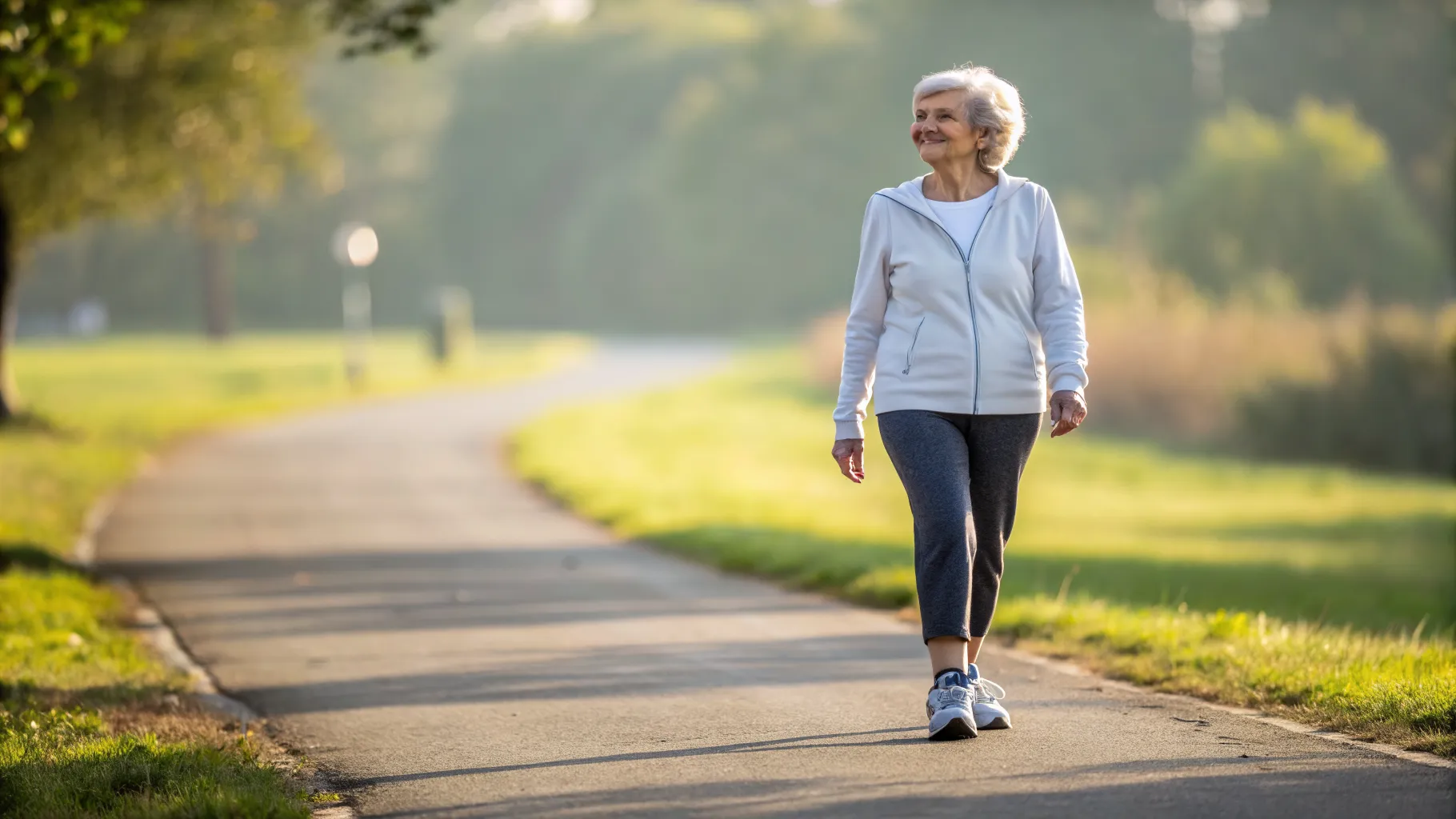
Living with osteoporosis presents unique challenges, particularly when it comes to maintaining physical activity. However, engaging in safe walking is not only possible but crucial for preserving bone health, enhancing balance, and significantly contributing to fall prevention. This guide provides detailed, actionable insights into how individuals can adapt their walking habits to safeguard their bones, improve their mobility, and confidently navigate their daily lives while minimizing fracture risk.
Understanding Osteoporosis and Its Impact on Mobility
Osteoporosis is a condition characterized by weak, brittle bones, making them susceptible to fractures even from minor stresses or falls. For individuals managing osteoporosis, every step counts, and understanding the biomechanics of safe walking becomes paramount. The primary goal is to engage in physical activity that supports bone health without imposing undue stress that could lead to injury. This section delves into how bone density loss specifically affects gait, balance, and overall stability, setting the foundation for why specific walking modifications are essential for effective fall prevention and reducing fracture risk.
Key Principles for Safe Walking with Osteoporosis
Adopting a mindful approach to walking is fundamental for those with osteoporosis. It's not just about moving from point A to B; it's about moving safely and efficiently. The core principles revolve around stability, awareness, and support. We will explore how maintaining proper posture, selecting appropriate footwear, and understanding your environment can collectively contribute to a more secure and beneficial walking experience. These foundational elements are the bedrock upon which all other safe walking guidelines are built, ensuring that each step taken actively supports your bone health goals.
Maintain Optimal Posture for Spinal Health
Maintaining good posture is perhaps the most critical component of safe walking for individuals with osteoporosis. Poor posture can exacerbate spinal compression and increase the risk of vertebral fractures. When walking, imagine a string gently pulling you upwards from the crown of your head. Keep your shoulders relaxed and slightly back, chin parallel to the ground, and gaze forward. Engage your abdominal muscles gently to support your core and maintain a neutral spine. This not only reduces stress on your vertebrae but also improves balance, making a significant contribution to fall prevention. Regularly practicing good posture will strengthen the muscles that support your spine and help you develop a natural, upright stance.
Choose Supportive Footwear for Stability
The right footwear is indispensable for safe walking. Shoes should offer excellent support, a non-slip sole, and a wide base for stability. Avoid high heels, flimsy sandals, or shoes that are too loose or tight. Opt for athletic shoes or walking shoes with good arch support, adequate cushioning, and a low heel. The sole should be flexible enough to allow a natural foot roll but firm enough to prevent twisting. Proper footwear not only provides comfort but crucially enhances balance and reduces the likelihood of trips and slips, which are common causes of falls leading to fracture risk in individuals with osteoporosis. Regularly inspect your shoes for wear and tear, replacing them when treads become smooth.
Pacing and Gait Modifications for Reduced Impact
For individuals with osteoporosis, modifying your pace and gait can significantly reduce the impact on your bones and improve overall stability. Instead of rushing, aim for a slower, more deliberate pace. Take shorter steps, which keeps your center of gravity more stable and allows for quicker recovery from minor stumbles. When you walk, ensure your heel strikes the ground first, followed by a smooth roll through the foot to the toes. Avoid shuffling or dragging your feet. Incorporating a slight sway from side to side can also aid in balance. These gait adjustments are vital for enhancing fall prevention strategies and minimizing the forces transmitted through your bones, thereby protecting your bone health.
Navigating Different Terrains Safely
Walking environments vary greatly, and adapting your technique to different terrains is a key aspect of safe walking. Outdoors, be vigilant for uneven surfaces, cracks in pavements, loose gravel, or slippery conditions. Indoors, clear pathways of clutter, secure loose rugs, and ensure adequate lighting. When encountering stairs, use handrails, take one step at a time, and consider leading with your stronger leg. Always be aware of your surroundings and avoid distractions like looking at your phone. Being proactive in identifying and mitigating environmental hazards is a critical component of effective fall prevention for individuals living with osteoporosis, ensuring you can maintain an active lifestyle without unnecessary fracture risk.
Integrating Balance and Strength Training
While safe walking is a cornerstone of managing osteoporosis, complementing it with targeted balance and strength training exercises can dramatically enhance its benefits. Strengthening core muscles, legs, and back can improve overall stability, making your walking safer and more efficient. Exercises like single-leg stands, tai chi, or heel-to-toe walking can significantly improve balance, directly reducing the chances of falls. Resistance training, using light weights or resistance bands, helps build muscle mass and can even stimulate bone growth, further contributing to bone health. Always consult with a healthcare professional or physical therapist to design an exercise program tailored to your specific needs and current fracture risk level, ensuring maximum benefit and safety.
Practical Tips for Daily Safe Walking
- Start Slowly and Progress Gradually: Begin with short walks on level surfaces. As your confidence and stamina improve, gradually increase duration and distance. Do not overexert yourself; consistency is more important than intensity.
- Warm-Up and Cool-Down: Before each walk, perform light stretches to warm up your muscles, such as leg swings and arm circles. After your walk, engage in gentle stretches to cool down, focusing on your legs and back, to improve flexibility and reduce muscle soreness.
- Stay Hydrated and Nourished: Drink plenty of water before, during, and after your walk. Ensure you are consuming a diet rich in calcium and Vitamin D, essential nutrients for strong bones and overall bone health.
- Listen to Your Body: Pay attention to any pain or discomfort. If you experience sharp pain, stop immediately and rest. Persistent pain should be evaluated by a healthcare provider. Pushing through pain can lead to injury and increase fracture risk.
- Consider Assistive Devices: If you feel unstable, don't hesitate to use a walking aid such as a cane or walker. These devices can provide additional support and significantly reduce the risk of falls, enhancing your ability to engage in safe walking.
- Walk with a Companion: Walking with a friend or family member can provide extra support and motivation. It also ensures someone is present to assist you if an unexpected incident occurs, adding another layer of fall prevention.
Frequently Asked Questions
Can regular walking improve bone health for someone with osteoporosis?
Yes, regular weight-bearing exercise like safe walking is highly beneficial for individuals with osteoporosis. While it may not fully reverse bone loss, it can help maintain existing bone density, improve muscle strength, enhance balance, and reduce fracture risk. The key is to engage in consistent, moderate activity while adhering to safe walking guidelines to prevent injuries.
What type of shoes are best for safe walking with osteoporosis?
The best shoes for safe walking with osteoporosis are those that offer excellent support, a non-slip sole, and good cushioning. Look for athletic or walking shoes with a wide base, firm heel counter, and good arch support. Avoid high heels, open-backed shoes, or shoes that are too loose or tight, as these can increase fall prevention risks.
How can I ensure good posture while walking with osteoporosis?
To ensure good posture while walking, imagine a string pulling you upwards from your head. Keep your shoulders relaxed and slightly back, chin parallel to the ground, and engage your core muscles gently. Avoid hunching forward. Practicing this conscious posture alignment will not only support your spine but also improve balance, aiding in fall prevention and protecting your bone health.
References
- National Osteoporosis Foundation. (n.d.). Exercise for Your Bone Health.
- Mayo Clinic. (n.d.). Osteoporosis: Symptoms and causes.
- World Health Organization. (n.d.). Falls prevention in older age.
Authored by 24Trendz team