Safari Tours In Kenya: Your Ultimate Guide to a Kenya Wildlife Safari
Facts:
- Kenya is home to the world-famous Great Wildebeest Migration.
- A growing trend for Safari Tours In Kenya is luxury eco-lodges.
Embark on the Ultimate Kenyan Safari Adventure
A journey into the heart of Kenya is a journey into the soul of the wild. It’s an experience that awakens the senses, with the vast, sun-drenched savannas of the Maasai Mara, the snow-capped peak of Mount Kilimanjaro visible from Amboseli, and the chorus of millions of flamingos at Lake Nakuru. Planning the perfect Kenya wildlife safari is more than just a vacation; it's an expedition into one of the planet's most iconic ecosystems. These tours offer a front-row seat to the circle of life, where predators and prey roam freely across endless plains. Whether you are a seasoned traveler or a first-time adventurer, understanding the nuances of a Kenyan safari is key to crafting an unforgettable trip, from selecting the right tour operator to knowing the best time to witness the legendary river crossings.
Choosing Your Ideal Kenya Safari Package
The variety of Kenya safari packages available can be overwhelming, but this diversity ensures there's a perfect trip for every type of traveler and budget. Options range from rustic, budget-friendly camping safaris that bring you closer to nature, to mid-range lodge safaris that offer comfort without breaking the bank, all the way to ultra-luxurious experiences with private guides, exclusive camps, and gourmet dining under the stars. When selecting a package, consider the duration of your stay, the parks you wish to visit, and the type of accommodation you prefer. A comprehensive package will typically include game drives, accommodation, meals, and park fees. It is crucial to research operators who prioritize sustainable tourism and contribute to local conservation efforts, ensuring your adventure also supports the preservation of Kenya's natural heritage.
The Unforgettable Spectacle of a Maasai Mara Safari
No trip to Kenya is complete without experiencing a Maasai Mara safari. The Maasai Mara National Reserve is globally renowned for its exceptional population of lions, leopards, cheetahs, and its role as the northern terminus of the Great Wildebeest Migration. From July to October, the Mara plains thunder with the hooves of over 1.5 million wildebeest, zebras, and gazelles, creating one of the most dramatic wildlife spectacles on Earth. A key objective for many visitors is to witness the Big Five safari experience—spotting the lion, leopard, rhinoceros, elephant, and Cape buffalo. Game drives at dawn and dusk offer the best chances of seeing these magnificent creatures in action. Beyond the wildlife, the Maasai Mara offers profound cultural encounters with the Maasai people, whose ancient traditions and deep connection to the land provide a rich, humbling context to the safari experience.
Beyond the Mara: Other Premier Safari Destinations
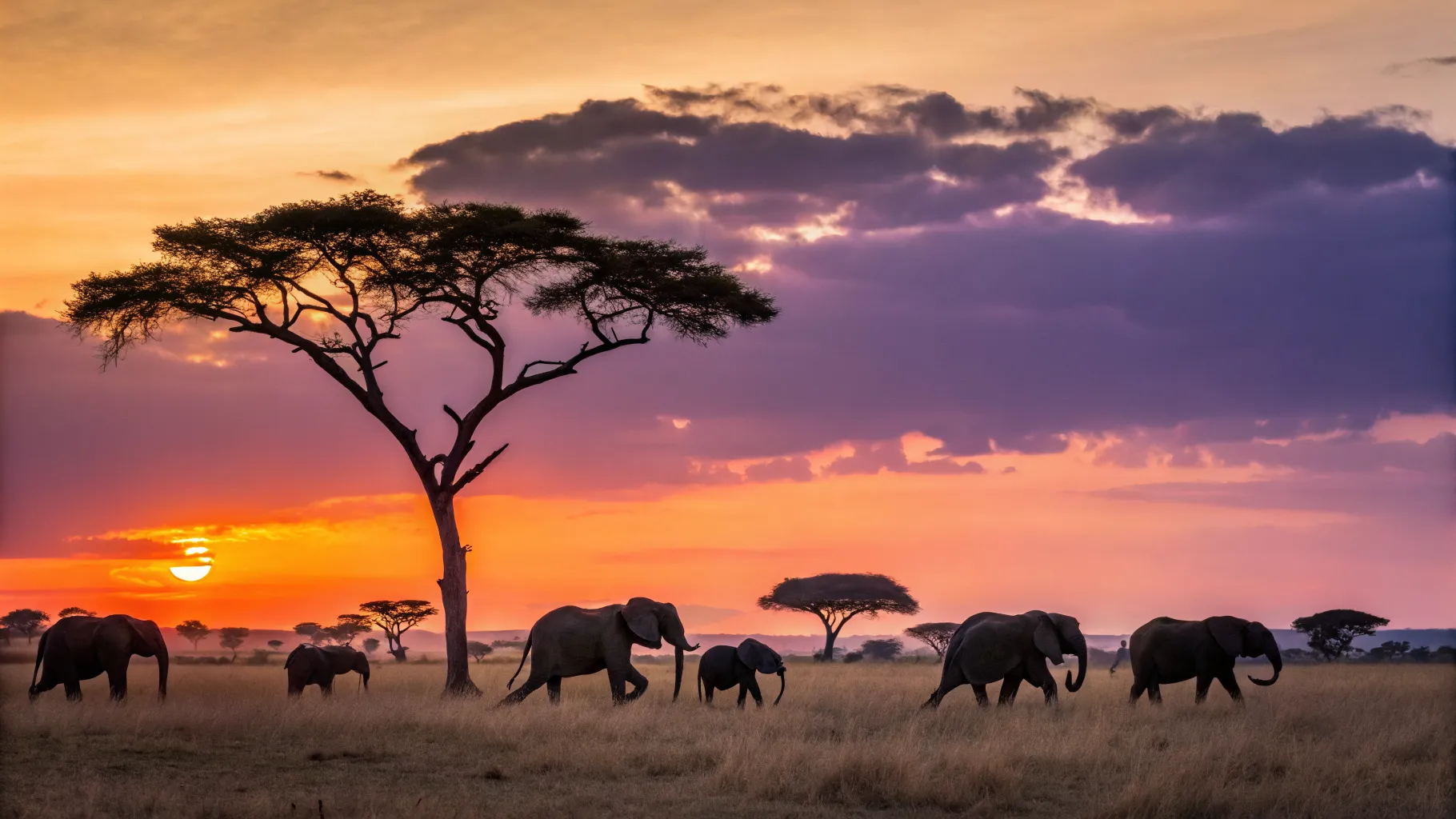
While the Maasai Mara is the crown jewel, a comprehensive Kenya wildlife safari should include other remarkable destinations. Amboseli National Park, set against the stunning backdrop of Mount Kilimanjaro, is famous for its large herds of free-ranging elephants. Tsavo East and Tsavo West National Parks, together forming one of the largest national parks in the world, offer a more rugged and wild safari experience, known for its 'red elephants' that dust themselves with the volcanic soil. For bird enthusiasts, Lake Nakuru National Park is an ornithological paradise, often blanketed in a sea of pink flamingos. Each park offers a unique landscape and ecosystem, providing a more complete picture of Kenya's incredible biodiversity and ensuring your safari is filled with varied and exciting discoveries.
How to Prepare for Your Kenyan Adventure
Proper preparation is essential for a successful and enjoyable safari in Kenya. Here are some actionable tips to ensure you are ready for the adventure of a lifetime:
- Packing Essentials: Pack lightweight clothing in neutral colors (khaki, brown, green) to blend in with the environment. Include long-sleeved shirts and trousers for protection from the sun and insects in the evening. A warm fleece or jacket is crucial, as early morning game drives can be very chilly. Don't forget a wide-brimmed hat, sunglasses, high-SPF sunscreen, and insect repellent.
- Health and Vaccinations: Consult your doctor several months before your trip to discuss necessary vaccinations and malaria prophylaxis. It's important to be up-to-date on routine vaccines and consider others like Yellow Fever, Hepatitis A, and Typhoid.
- Photography Gear: To capture the incredible wildlife, a camera with a good zoom lens (at least 200mm) is highly recommended. Bring extra batteries and memory cards, as you will take more photos than you expect. A pair of binoculars is also indispensable for spotting distant animals.
- Currency and Documents: Ensure your passport is valid for at least six months beyond your travel dates and has sufficient blank pages. Obtain your visa in advance if required. The local currency is the Kenyan Shilling (KES), but US dollars are widely accepted for larger payments like park fees and tips.
Frequently Asked Questions
What is the best time of year for a Kenya wildlife safari?
The best time for a safari in Kenya is generally during the dry seasons, from June to October and from January to February. The June to October period coincides with the Great Wildebeest Migration in the Maasai Mara, making it the peak season. The dry weather means thinner vegetation and more concentrated wildlife around water sources, making animals easier to spot.
How much do Kenya safari packages typically cost?
The cost of safari packages varies greatly. Budget camping safaris can start from around $150-$200 per person per day. Mid-range lodge safaris typically range from $300-$500 per person per day, while luxury safaris can exceed $1000 per person per day. These prices usually include accommodation, meals, game drives, and park fees, but exclude international flights and tips.
What are the chances of seeing the Big Five on a Maasai Mara safari?
The Maasai Mara offers one of the highest chances in Africa to see all members of the Big Five (lion, leopard, elephant, rhino, and buffalo). While sightings are never guaranteed in the wild, the density of wildlife in the Mara is so high that many visitors successfully spot all five over a 2-3 day period, especially with an experienced guide who knows the animals' territories and habits.
References
- Kenya Wildlife Service Official Reports
- National Geographic Guide to African Wildlife
- The Bradt Travel Guide: Kenya
- Annual reports from the Maasai Mara Wildlife Conservancies Association
Authored by 24Trendz team