7 days tour to Italy: A Comprehensive Analysis of Regional Logistics and Itineraries
For first-time visitors seeking to observe Italy’s essential masterpieces without the logistical stress often associated with international travel, a structured 7-day tour to Italy provides a primary framework for navigating the nation’s cultural core 1. The historical depth and artistic heritage of the Italian peninsula are most frequently accessed through a curated route connecting Rome, Florence, and Venice, cities that encapsulate distinct eras of Western civilization 3.
The Structural Framework of the Big Three Itinerary
The standard seven-day itinerary is meticulously crafted to balance monumental sightseeing with the logistical realities of transit. Data suggests that a three-night stay in Rome, followed by two nights in Florence and two nights in Venice, represents the most efficient distribution for a first-time visit 5. This model allows for approximately 72 hours in the capital to observe Ancient Roman history and the Vatican, while providing sufficient time in the subsequent cities to experience the Renaissance core of Florence and the unique lagoon environment of Venice 18.
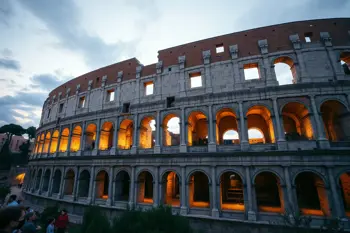
Cultural immersion within this timeframe necessitates a focus on key landmarks including the Colosseum, the Roman Forum, and the Pantheon in Rome, followed by Michelangelo’s David and the Uffizi Gallery in Florence 2. In Venice, the itinerary typically centers on St. Mark’s Basilica and the Doge’s Palace 1. Analysts note that this route works because the cities are connected in a relatively straight line, which minimizes the time spent in transit compared to more expansive regional loops 5.
Transportation Logistics: High-Speed Rail Integration
The efficiency of a one-week Italian journey is largely dependent on the use of the national high-speed rail network, which includes the Frecciarossa and Italo services 9. These trains allow travelers to move between city centers without the complexities of airport security or the restrictions of historic city center vehicle zones (ZTL), which can result in significant fines for unauthorized drivers 24. High-speed rail connections are notably frequent, with multiple departures per hour during peak travel periods 32.
| Route Connection | Average Duration | Train Category |
|---|---|---|
| Rome to Florence | 90 to 95 Minutes | High-Speed Rail |
| Florence to Venice | 125 to 130 Minutes | High-Speed Rail |
| Venice to Milan | 135 to 145 Minutes | High-Speed Rail |
| Rome to Naples | 70 to 75 Minutes | High-Speed Rail |
Transit durations are optimized when utilizing these services, as the journey from Rome to Florence typically requires only 90 minutes, while the leg from Florence to Venice takes approximately two hours and five minutes 5. Research indicates that booking these rail tickets at least 30 days in advance can result in pricing between 30 and 50 Euro, whereas same-day fares often escalate to ranges between 100 and 150 Euro 9.
Financial Benchmarks and Accommodation Standards
Market data for mid-range guided tours in Italy indicates a typical price range between $1,500 and $4,000 per person, excluding international airfare 27. These figures generally account for boutique or four-star accommodations, local transfers, and some guided activities 2. For instance, specific seven-day highlights packages have been recorded starting at approximately $1,963 per person based on 2026 projections 2, while more intensive cultural itineraries may reach up to $3,469 per person 19.
Daily operational budgets for independent travelers often range from 80 to 150 Euro per day for food and incidental expenses 18. Historical lodging data suggests that average hotel prices fluctuate significantly by city: Rome ranges from $80 to $150 per night, Florence from $70 to $140, and Venice from $100 to $200 33. These estimates are based on standard comfort levels and proximity to historical districts, with luxury tiers and peak season dates commanding substantially higher rates 17.
Seasonal Variations and Climate Considerations
The timing of a 7-day tour to Italy significantly impacts both crowd density and climatic comfort. The peak tourist season extends from April through October, with the highest concentration of travelers appearing in July and August 17. During these summer months, temperatures in central and southern Italy frequently exceed 30 degrees Celsius, which can impact the feasibility of extensive outdoor walking tours 18. Consequently, many analysts recommend the shoulder seasons for a more balanced experience.
- May and June: Optimal temperatures and blooming landscapes, though museum demand remains high.
- September and October: Cooler weather conditions and the start of the harvest season in regions like Tuscany.
- November to March: Significant reduction in crowd density, though shorter daylight hours and cooler temperatures prevail.
- Easter and Holiday Weeks: Exceptional surges in domestic and international tourism, particularly in Rome and the Vatican.
Strategic timing during the shoulder months (May-June or September-October) is widely considered the sweet spot for travelers, as hotel prices may be 20 to 40 percent lower than peak August rates 17. Additionally, shorter queues at major attractions during these periods allow for a more efficient use of the limited seven-day window 37.
Regional Alternatives: Southern and Central Variants
While the Rome-Florence-Venice trifecta remains the most frequent choice, alternative seven-day routes focus on regional depth. One such variant explores the southern charm of Italy, moving from Rome through Pompeii to the Amalfi Coast and Sorrento 8. This route highlights the maritime history and volcanic landscapes of the Campania region, often including visits to the island of Capri 23. Logistics for southern routes often involve a mix of high-speed rail and private transfers due to the rugged coastline 26.
Another localized option focuses exclusively on the Tuscan region, using Montecatini Terme or Florence as a primary base 24. This allows for deeper exploration of medieval hill towns such as San Gimignano, Siena, and Lucca without the need for frequent hotel changes 27. Such itineraries are often preferred by those seeking a slower pace or a culinary focus, as they prioritize vineyard visits and artisan workshops over high-velocity city hopping 1.
Regulatory Compliance and Site Management
International travelers visiting Italy must adhere to specific regulatory and entry requirements to ensure a seamless journey. Currently, United States citizens require a valid passport with at least six months of remaining validity for visa-free entry for stays up to 90 days 30. However, travelers should be aware of the impending implementation of the ETIAS (European Travel Information and Authorisation System), which will require a pre-travel screening process for formerly visa-exempt visitors 36.
Access to major cultural monuments requires advanced strategic planning due to strict timed-entry systems. Sites such as the Vatican Museums, the Colosseum, and the Uffizi Gallery frequently sell out weeks or months in advance 35. Standard entry fees for the Colosseum and Roman Forum typically start at 18 Euro, while Vatican Museum entry is approximately 30 Euro for standard skip-the-line access 20. Travelers who fail to pre-book these tickets may face wait times exceeding three hours during the summer season 24.
Sources
- europeprivatetours.com
- vacationotrips.com
- guidetoitaly.com
- walksofitaly.com
- globerove.com
- acouplefortheroad.com
- travel-buddies.com
- omegatours.ca
- goabroad.travel
- world-tourism.org
- deardestinationtravel.com
- segvtours.com
- justtraveldeals.ca
- nenellie.com
- italytrade.org
- travelandoo.com
- exploretripsguide.com
- wonderplan.ai
- solotravel.cc
- plantrip.io
- pelorustravel.com
- thetraveler.org
- vcdtravel.ca
- thetravellady.ca
- 206tours.com
- izzytrip.com
- Viator
- Globus Tours
- Rome2rio
- US State Department
- Expedia
- Rick Steves
- Booking.com
- GetYourGuide
- Italy Magazine
- European Union Official Website
- Lonely Planet
Authored by 24Trendz team