Revolutionary Non-Surgical Tendon Repair: A New Era in Tendon Pain Relief
Facts:
- Tendon injuries affect millions globally.
- New non-surgical treatment options are rapidly emerging for chronic tendon issues.
Understanding Chronic Tendinopathy and Its Impact
Chronic tendinopathy, often characterized by persistent pain, stiffness, and loss of function, is a common debilitating condition affecting active individuals and the general population alike. Traditionally, severe cases often led to discussions about surgical intervention. However, advancements in medical science have paved the way for groundbreaking approaches focused on **non-surgical tendon repair**, offering new hope for **tendon pain relief** without the need for invasive procedures. These conditions can significantly impact daily life, restricting movement, limiting athletic performance, and reducing overall quality of life, making the quest for effective, less invasive solutions paramount.
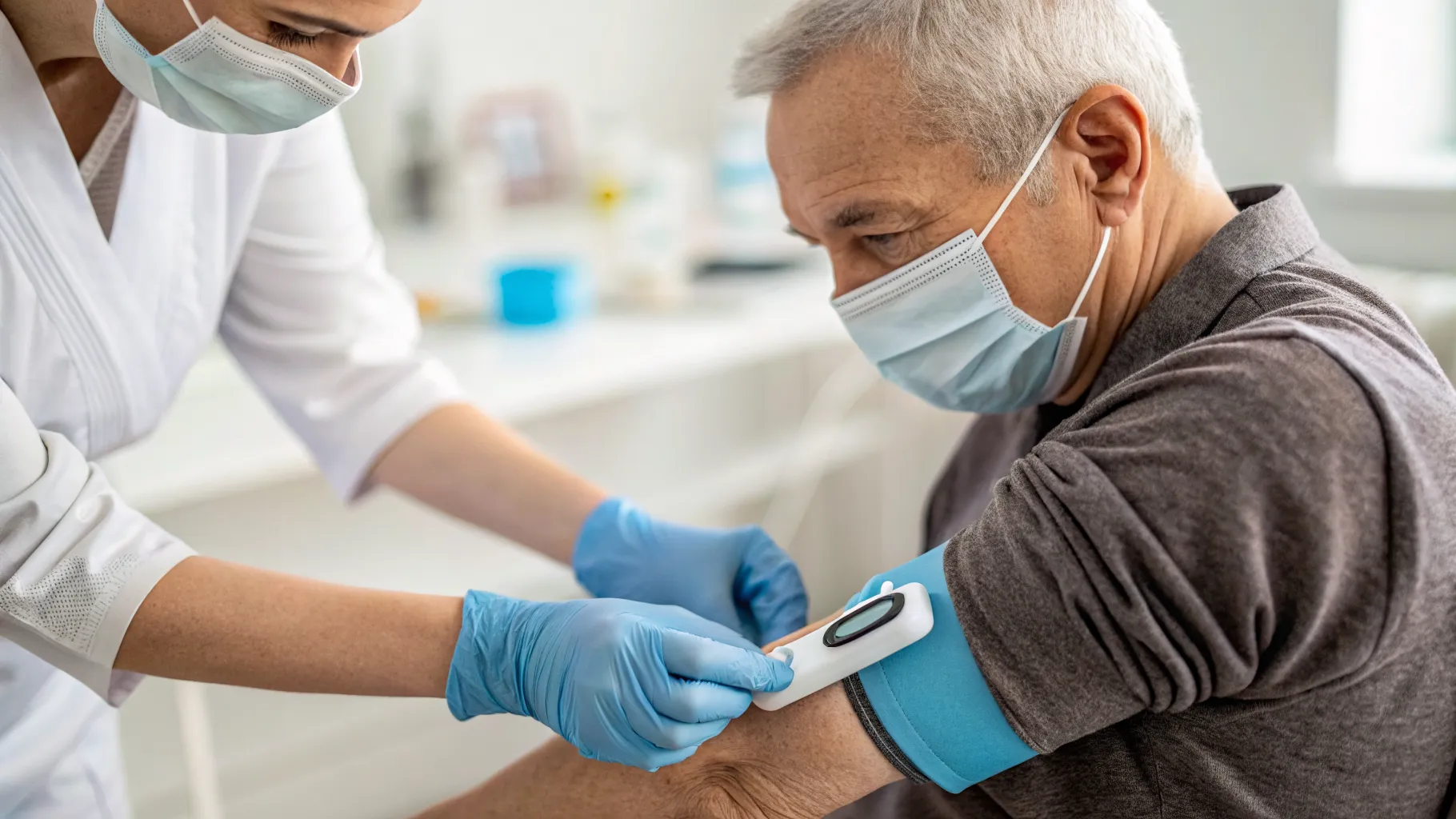
Breakthrough Non-Surgical Tendon Repair Techniques
The landscape of tendon care is evolving rapidly, with several **innovative tendon therapies** leading the charge in **non-surgical tendon repair**. These cutting-edge treatments aim to heal and restore tendon function by stimulating the body's natural regenerative processes or by precisely targeting the source of pain and inflammation. From advanced injection therapies to sophisticated physical modalities, the focus is now on promoting true healing rather than merely managing symptoms. Understanding these options is crucial for anyone seeking effective **tendon pain relief** without the risks and recovery time associated with surgery. Each method brings a unique mechanism of action, designed to address the specific pathology of tendon damage.
Platelet-Rich Plasma (PRP) Therapy
PRP therapy harnesses the body's own healing components. A sample of the patient's blood is processed to concentrate platelets, which are rich in growth factors. This concentrated solution is then injected directly into the injured tendon. These growth factors play a critical role in tissue repair and regeneration, stimulating the healing cascade and reducing inflammation. PRP has shown particular promise in conditions like tennis elbow, Achilles tendinopathy, and patellar tendinopathy, offering a natural approach to **non-surgical tendon repair** by enhancing the cellular environment for healing. The procedure is typically performed in an outpatient setting with minimal discomfort, and patients often experience progressive improvement over several weeks to months as the tendon heals.
Extracorporeal Shockwave Therapy (ESWT)
ESWT involves delivering high-energy sound waves to the affected tendon area. These shockwaves induce microtrauma, stimulating a healing response, promoting neovascularization (formation of new blood vessels), and breaking down calcifications often found in chronic tendinopathies. It's a non-invasive treatment that has proven effective for conditions such as plantar fasciitis, shoulder tendinopathy, and Achilles tendinopathy. Multiple sessions are usually required, and while some discomfort may be experienced during the treatment, it is generally well-tolerated. ESWT represents a robust **minimally invasive tendon solution** that directly addresses chronic tendon degeneration.
Prolotherapy and Dextrose Injections
Prolotherapy, or proliferative therapy, involves injecting a mild irritant solution, typically dextrose, into the injured ligament or tendon. This injection causes a localized inflammatory response, which in turn stimulates the body's natural healing mechanisms, leading to the growth of new connective tissue. It is often used for chronic musculoskeletal pain, including certain tendon injuries, by strengthening weakened structures. While the mechanism differs from PRP, it similarly aims to enhance the body's intrinsic ability for **non-surgical tendon repair** and provide long-term **tendon pain relief**. The goal is to stabilize joints and reduce the mechanical stress on the injured tendon.
Tenex Health TX System
The Tenex procedure is an advanced **minimally invasive tendon solution** that uses ultrasonic energy to precisely target and remove damaged tendon tissue while preserving healthy tissue. Performed through a tiny incision, guided by ultrasound imaging, it allows for the removal of calcifications and degenerative tissue that contribute to chronic pain. This targeted approach significantly reduces recovery time compared to traditional open surgery. It's particularly effective for common conditions such as rotator cuff tendinopathy, jumper's knee, and golfer's elbow, offering a direct approach to addressing the pathology of chronic tendinosis for effective **tendon pain relief**.
Comparing Traditional vs. Minimally Invasive Tendon Solutions
The evolution of tendon treatment marks a significant shift from traditional surgical interventions towards less invasive, yet highly effective, alternatives. Historically, surgery was often considered the definitive solution for chronic tendon pain unresponsive to conservative measures like physical therapy or rest. While effective, surgery carries inherent risks such as infection, longer recovery periods, and potential scarring, along with the psychological burden of an invasive procedure. The new era of **non-surgical tendon repair** and **minimally invasive tendon solutions** aims to circumvent these drawbacks by offering treatments that promote healing with reduced downtime and fewer complications. For instance, open surgery for a torn rotator cuff involves a significant recovery period, whereas **regenerative medicine for tendons** techniques like PRP or stem cell therapy often allow patients to return to daily activities much sooner, albeit with a structured rehabilitation program. The long-term outcomes for many **innovative tendon therapies** are proving to be comparable or even superior to surgery for specific conditions, especially when considering patient satisfaction and functional recovery. This paradigm shift emphasizes a more patient-centered approach, prioritizing healing and functional restoration with the least possible invasiveness, making **tendon pain relief** more accessible and less daunting.
The Path to Lasting Tendon Pain Relief: Practical Advice
Achieving sustained **tendon pain relief** and successful **non-surgical tendon repair** extends beyond the treatment itself. It requires a comprehensive approach that integrates the latest medical interventions with diligent self-care and rehabilitation. Embracing these practical steps can significantly enhance outcomes and prevent recurrence, fostering long-term tendon health.
- Adhere to Rehabilitation Protocols: Engaging in a structured physical therapy program is paramount. Therapists guide patients through exercises designed to restore strength, flexibility, and range of motion, crucial for optimal tendon healing and function after **innovative tendon therapies**.
- Modify Activities and Ergonomics: Identifying and adjusting activities that exacerbate tendon pain is key. This might involve altering sports techniques, adjusting workstation ergonomics, or taking frequent breaks to reduce repetitive strain.
- Nutritional Support: A diet rich in anti-inflammatory foods, collagen-supporting nutrients (like Vitamin C and zinc), and adequate protein can support tissue repair and overall tendon health, complementing **regenerative medicine for tendons**.
- Listen to Your Body: Pushing through pain can hinder the healing process. Learning to differentiate between muscle soreness and tendon pain is vital. Gradual progression and avoiding sudden increases in activity load are essential for preventing re-injury.
- Maintain Overall Health: Factors like adequate sleep, stress management, and maintaining a healthy weight contribute significantly to the body's healing capacity and reduce systemic inflammation, supporting the effectiveness of **minimally invasive tendon solutions**.
Frequently Asked Questions
Are new **non-surgical tendon repair** treatments covered by insurance?
Coverage varies widely depending on the specific treatment, your insurance plan, and your geographical location. While some established procedures like ESWT may be covered, newer **regenerative medicine for tendons** such as PRP or stem cell therapy are often considered experimental or investigational and may not be fully covered. It is crucial to check with your insurance provider prior to commencing treatment.
How long does it take to see **tendon pain relief** from these new treatments?
The timeline for **tendon pain relief** varies greatly based on the type of treatment, the severity and chronicity of the injury, and individual patient factors. Some patients may experience initial relief within a few weeks, while others might require several months for significant improvement as the tendon undergoes its healing and remodeling phases. Consistent adherence to rehabilitation is a major factor in accelerating recovery.
Can **innovative tendon therapies** completely cure my chronic tendon pain?
Many **innovative tendon therapies** aim not just to alleviate symptoms but to promote actual healing and regeneration of the tendon tissue. For many patients, these treatments can lead to substantial and long-lasting **tendon pain relief** and restoration of function. However, the degree of 'cure' depends on various factors, including the initial damage and adherence to post-treatment care. While a complete 'cure' might not always be guaranteed, significant improvement in quality of life and reduction in pain are common.
References
- Journal of Orthopaedic & Sports Physical Therapy
- American Academy of Orthopaedic Surgeons Guidelines
- Clinical Journal of Sport Medicine
- Research in Sports Medicine: An International Journal
- Orthopaedic Clinics of North America
Authored by 24Trendz team