How to Repaint Your Car Cheaply: Achieve an Affordable Car Paint Finish
Fast Facts:
- New paint can boost car value.
- Demand for DIY car painting solutions is growing for budget-conscious owners.
Unlocking the Secrets to an Affordable Car Paint Transformation
Giving your car a fresh coat of paint can dramatically enhance its appearance and even protect its body from environmental damage. However, the perceived high cost often deters many car owners. The good news is that achieving an affordable car paint finish is entirely possible with the right approach and a bit of effort. This guide will walk you through various strategies, from meticulous preparation techniques to choosing the right materials, enabling you to achieve a professional-looking cheap car repaint without emptying your wallet. Embrace the satisfaction of transforming your vehicle with a budget auto paint solution.
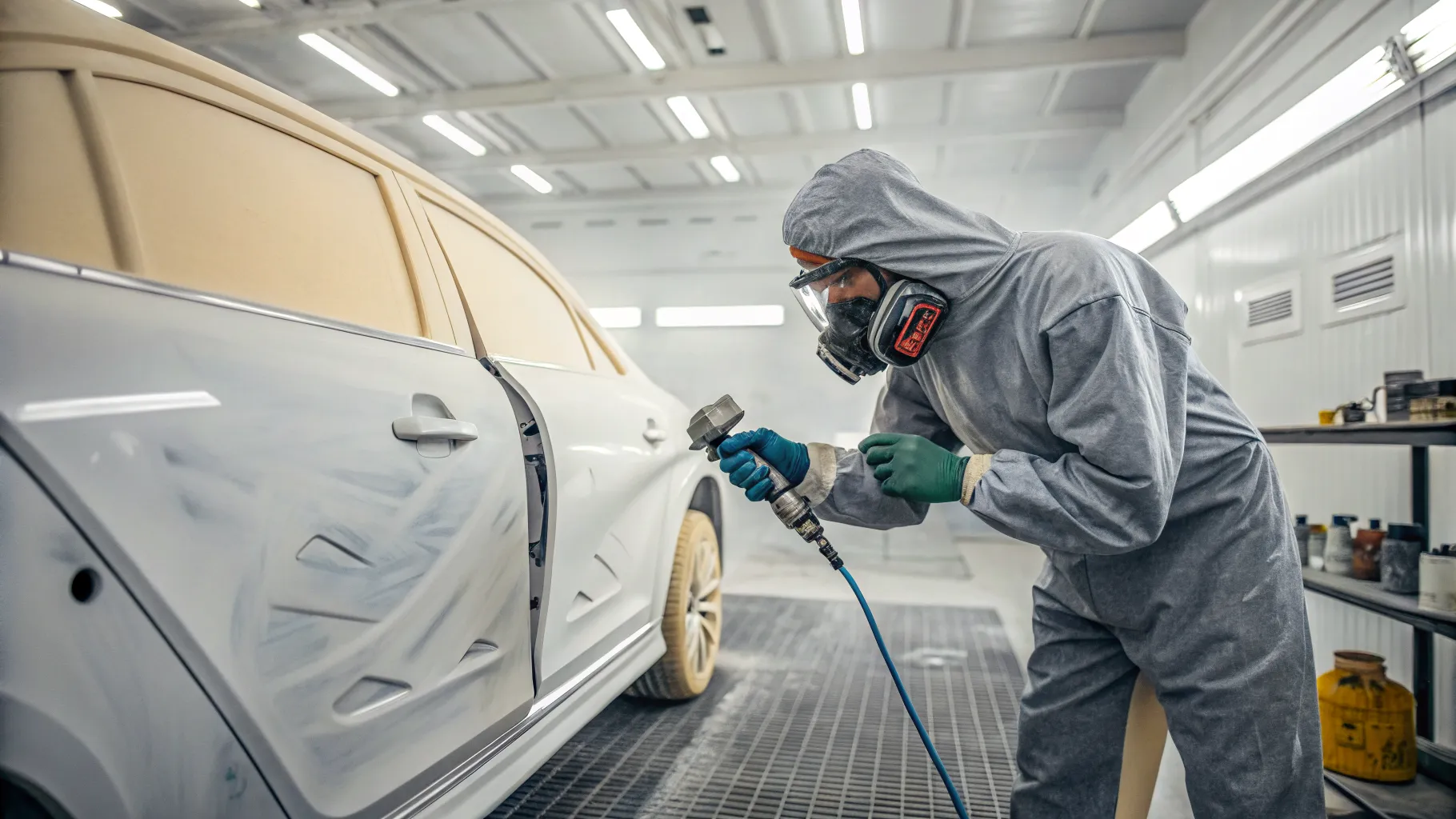
Understanding Your Options for a Cheap Car Repaint
Before diving into the actual painting process, it's crucial to understand the spectrum of options available for an affordable car paint job. Professional paint shops offer convenience but come with a significant price tag, often ranging from several hundred to thousands of dollars depending on the quality and extent of the work. For those looking to repaint your car cheaply, exploring alternatives like single-stage paint systems, roll-on applications, or even specialized aerosol paints becomes essential. Each method has its pros and cons regarding durability, finish quality, and the level of skill required. A single-stage enamel, for instance, offers a decent finish for a much lower cost than multi-stage basecoat/clearcoat systems, making it a popular choice for a budget auto paint project. Delving into these options allows you to make an informed decision that balances your desired outcome with your financial limitations.
Meticulous Preparation: The Foundation of a Cost-Effective Car Paint Job
The old adage 'preparation is key' holds immense truth when it comes to achieving a high-quality, cheap car repaint. Skipping or rushing the preparatory steps will inevitably lead to a subpar finish, negating any cost savings you hoped to achieve. This critical phase involves thorough cleaning, sanding, filling dents, and masking off areas not to be painted. Proper cleaning removes all dirt, grease, and wax, which can interfere with paint adhesion. Sanding creates a smooth surface for the new paint to bond to, and the finer the grit used in the final sanding stages, the smoother the ultimate finish will be. Addressing all imperfections like dings and rust spots before painting is vital, as paint will only highlight these flaws. Investing time and effort in preparation minimizes the risk of costly rework and ensures your affordable car paint looks professional and lasts longer. This foundational work truly dictates the success of your DIY car painting endeavor.
Selecting the Right Paint and Equipment for DIY Car Painting
Choosing the appropriate paint and equipment is paramount for an affordable car paint project. For individuals embarking on DIY car painting, options range from inexpensive acrylic enamels to more durable urethane paints. While urethane offers superior gloss and longevity, acrylic enamels are more forgiving for beginners and significantly cheaper. Consider single-stage paints for simplicity and cost-effectiveness; they combine color and clear coat into one application. Regarding equipment, a basic gravity-feed HVLP (High Volume Low Pressure) spray gun can be purchased affordably and is suitable for most home paint jobs. Alternatively, for a truly cheap car repaint, high-quality automotive rollers or even aerosol cans designed for automotive use can deliver surprisingly good results on smaller areas or for a full matte finish. Always factor in the cost of primers, thinners, and protective gear like respirators and gloves, as these are non-negotiable for a safe and successful budget auto paint application. Researching reviews and comparing products will help you find the best value for your specific cost-effective car paint job requirements.
Techniques for Applying Budget Auto Paint Effectively
Effective application techniques are crucial for ensuring your budget auto paint project yields a smooth, even, and durable finish. Whether you're using a spray gun, roller, or aerosol cans for your DIY car painting, consistent technique prevents common issues like runs, sags, and uneven coverage. When spraying, maintain a consistent distance from the panel, overlap each pass by about 50%, and keep the gun perpendicular to the surface. Apply thin, even coats rather than thick ones, allowing adequate flash time between coats as recommended by the paint manufacturer. For roll-on applications, use a high-quality foam roller designed for smooth finishes, applying paint in even strokes and avoiding excessive pressure. Patience is a virtue here; rushing the process will almost certainly lead to visible imperfections that are difficult and time-consuming to correct. Practicing on scrap metal or an old panel can significantly improve your confidence and technique before tackling your actual vehicle, ensuring your affordable car paint efforts truly pay off.
Post-Painting Care and Finishing Touches for an Affordable Car Paint Job
After the paint has been applied and allowed to cure according to the manufacturer's specifications, proper post-painting care and finishing touches are vital to ensure the longevity and ultimate appearance of your cheap car repaint. This often involves a process called 'wet sanding' and 'buffing' or 'polishing' to remove any minor imperfections like dust nibs or orange peel texture, revealing a deep, glossy finish. Start with very fine grit sandpaper (e.g., 2000-3000 grit) used wet, and then progressively move to polishing compounds with a rotary buffer. This step can transform a decent budget auto paint job into one that looks professionally done. Finally, applying a high-quality wax or sealant will protect your newly painted surface from UV rays, environmental contaminants, and minor scratches, extending the life and luster of your cost-effective car paint job. This final attention to detail ensures your affordable car paint not only looks great but also stands the test of time.
Frequently Asked Questions
Is it truly possible to repaint your car cheaply and get good results?
Yes, absolutely! While a professional, show-quality paint job can be very expensive, it is definitely possible to achieve a significant improvement in your car's appearance with an affordable car paint strategy. The key lies in thorough preparation, choosing the right materials, and patient application. Many DIY methods, when executed carefully, can yield impressive and durable results, making a cheap car repaint a viable option for many car owners.
What are the biggest challenges in DIY car painting?
The biggest challenges in DIY car painting typically involve achieving an even, smooth finish without runs or dust inclusions. Proper surface preparation, including sanding and cleaning, also requires significant time and attention to detail. Additionally, ensuring adequate ventilation and protective gear is crucial for safety, as automotive paints contain strong chemicals. Overcoming these challenges through careful planning and practice is essential for a successful cost-effective car paint job.
How much can I expect to save by doing a budget auto paint job myself?
The savings from a budget auto paint job can be substantial. While professional paint jobs can range from $1,000 to $5,000+ depending on the vehicle and quality, a DIY affordable car paint project might cost anywhere from $200 to $800 for materials and basic equipment. This represents a significant saving, allowing you to allocate those funds elsewhere or simply enjoy a freshly painted vehicle at a fraction of the cost.
References
- Automotive Paint & Bodywork Handbook
- DIY Car Maintenance Guides
- Online Forums for Automotive Enthusiasts
- Industry Reports on Automotive Aftermarket Trends
Authored by 24Trendz team