Recognizing Esophageal Hernia Symptoms And Treatments
Understanding Esophageal Hernia Symptoms
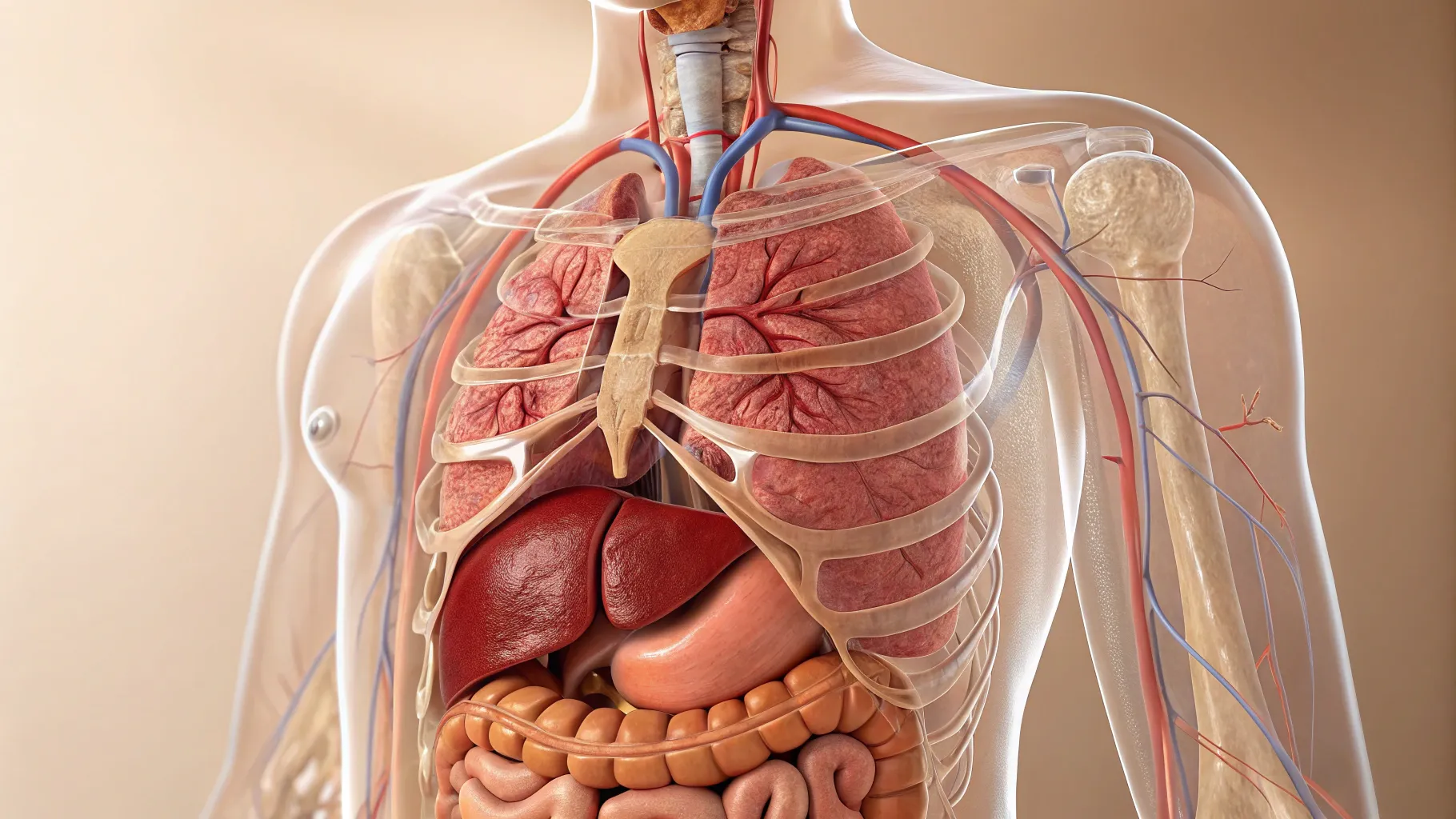
Esophageal hernias, commonly known as hiatal hernias, occur when part of the stomach pushes through the diaphragm and into the chest cavity. This condition is surprisingly prevalent, affecting millions of people worldwide. In 2025, recognizing the signs and symptoms of an esophageal hernia is essential to address potential complications effectively. This article delves into the common signs of esophageal hernia, strategies to determine if heartburn may be linked to this condition, and lifestyle changes and treatments that can alleviate symptoms.
Common Signs of Esophageal Hernia
Esophageal hernia symptoms can vary widely, often mimicking those of other digestive disorders. Being aware of these symptoms is vital for early intervention. Here are some common signs that you should be vigilant about:
- Heartburn: This burning sensation in the chest or throat is the most frequently reported symptom, affecting about 60% of patients. Heartburn often results from acid reflux associated with the hernia.
- Regurgitation: Many individuals experience regurgitation, which involves the backflow of stomach contents into the esophagus, sometimes accompanied by a sour or bitter taste.
- Dysphagia: This refers to difficulty swallowing. Individuals may feel as though food is stuck in the esophagus, leading to discomfort and anxiety during meals.
- Chest Pain: Chest pain can often be mistaken for cardiac issues but may also signal an esophageal hernia. It is crucial to look for accompanying symptoms to differentiate the cause.
- Belching and Bloating: Many patients report increased belching and a feeling of fullness, even after consuming small meals, which contributes to overall discomfort.
- Coughing or Wheezing: A chronic cough or difficulty breathing—especially when lying down—can indicate complications from a hernia.
Being able to identify these symptoms can significantly help in preventing further complications and enhancing your quality of life. Many people might not relate these symptoms directly to a hernia, so being informed empowers you to seek proper medical advice.
Is Your Heartburn Actually Esophageal Hernia?
Heartburn is a widespread complaint, often seen as a benign issue linked to spicy foods or overeating. However, persistent heartburn should not be ignored. Current statistics indicate that about 30% of individuals suffering from chronic heartburn have a hiatal hernia as the underlying cause. To assess whether your heartburn is related to a hernia, consider the frequency and timing of your symptoms. If you notice that they intensify after large meals or when lying down, it is advisable to consult a healthcare professional.
Heartburn, while uncomfortable, is treatable. A healthcare provider might suggest an upper gastrointestinal endoscopy to view your esophagus and stomach visually. This diagnostic procedure can lead to clearer insights into your symptoms and help rule out more severe conditions like esophageal cancer.
Lifestyle Tweaks to Help Ease Symptoms
Addressing the symptoms of an esophageal hernia often goes beyond medication. Incorporating specific lifestyle changes can significantly improve symptoms. Here are some effective adjustments:
- Meal Timing: Opt for smaller, more frequent meals instead of large ones. This approach minimizes pressure on the stomach and reduces acid reflux occurrences.
- Elevation: Elevating the head of your bed by 6 to 8 inches can prevent stomach acid from flowing back into your throat during sleep, providing much-needed relief.
- Avoid Trigger Foods: Keep track of foods that exacerbate your symptoms—common triggers include spicy meals, caffeine, greasy foods, and citrus fruits.
- Weight Management: Maintaining a healthy weight can help alleviate symptoms by reducing pressure on the stomach and esophagus. Even modest weight loss can lead to significant symptom relief.
- Quit Smoking: Smoking not only harms your overall health but can also worsen acid reflux symptoms. Quitting smoking can lead to better gastrointestinal function and symptom relief.
Implementing these simple changes can create a noticeable impact on managing symptoms, allowing you to enjoy a higher quality of life. It’s essential to experiment with different strategies to determine what best suits your body’s needs.
Treatments for Esophageal Hernia
If lifestyle changes alone do not suffice, various treatment options are available that can provide further relief. The choice of treatment usually depends on the severity of your symptoms and your overall health. Here are some approaches your healthcare provider might recommend:
- Medications: Over-the-counter and prescription medications are commonly used. Anti-reflux medications like proton pump inhibitors and H2-receptor antagonists can effectively reduce stomach acid levels and improve symptom control.
- Surgery: In severe cases that do not respond to lifestyle changes or medications, surgical intervention might be necessary. Laparoscopic fundoplication, for instance, involves wrapping the top part of the stomach around the lower esophagus to reinforce the barrier against stomach acid.
- Regular Monitoring: For many individuals, keeping up with regular check-ups can help manage the condition effectively without necessitating invasive procedures.
In 2025, the focus on personalized healthcare means you can expect your treatment options to be tailored to your specific needs, ensuring the best outcomes while actively managing your symptoms. Living with an esophageal hernia may present challenges, but being proactive and knowledgeable about your condition can lead to effective management strategies. Tracking your symptoms and seeking professional advice can vastly improve your daily comfort and well-being.
Authored by 24Trendz team