Understanding the Common Signs of Stroke: How to Recognize Stroke Quickly
Facts:
- Stroke is a leading cause of disability and death.
- Early recognition significantly improves outcomes for stroke symptoms.
Decoding the Alarming Stroke Symptoms: A Guide to Immediate Action
Recognizing the common signs of stroke is a critical skill that can save lives and minimize long-term disability. A brain attack, as it is sometimes called, occurs when blood flow to a part of the brain is interrupted or reduced, depriving brain tissue of oxygen and nutrients. Within minutes, brain cells begin to die. Understanding how to recognize stroke quickly is paramount for ensuring timely medical intervention and improving patient prognosis. This comprehensive guide will walk you through the key indicators, helping you identify these critical moments and act decisively.
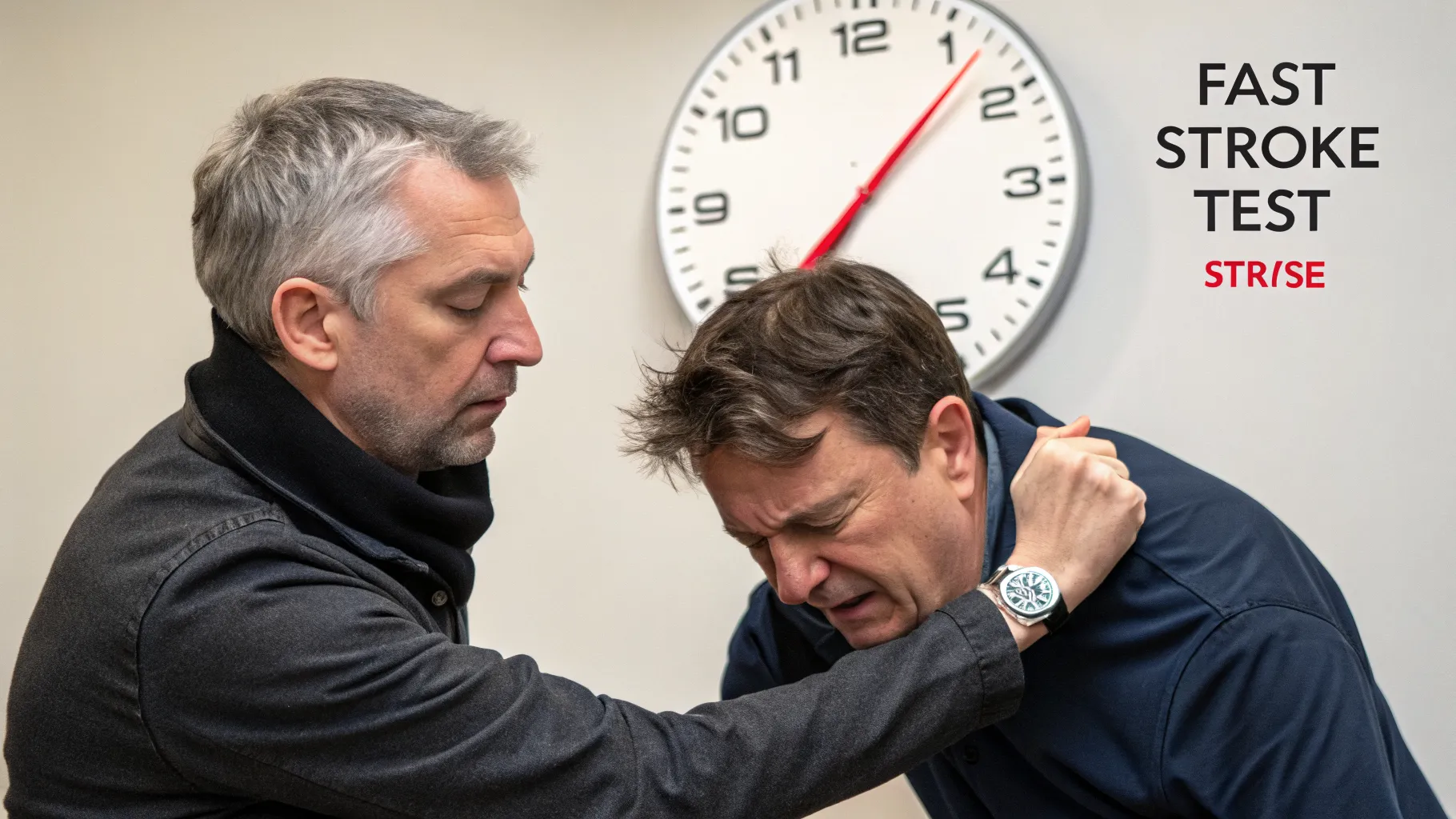
The Critical Importance of the FAST Test in Recognizing Stroke
The FAST test is a widely recognized and easily rememberable acronym used to identify the most common signs of stroke. It serves as a rapid assessment tool for anyone suspecting a stroke, enabling prompt action which is crucial for optimal outcomes. Each letter in FAST stands for a specific physical symptom, guiding individuals through a quick mental checklist. Understanding and applying this test can empower bystanders and family members to act quickly and potentially save a life by knowing when to call for emergency medical attention. This simple, yet powerful, mnemonic device has revolutionized public awareness and immediate response to stroke incidents globally.
F: Face Drooping – An Early Indicator of a Brain Attack
One of the first and most visible stroke symptoms often involves the face. In many cases, an individual experiencing a stroke will exhibit a sudden weakness or numbness on one side of their face, causing it to droop. This facial asymmetry becomes particularly noticeable when the person tries to smile; one side of the mouth will not move as freely or will appear lopsided. This occurs because the stroke has affected the nerves controlling facial muscles on one side of the brain. If you ask the person to smile and observe this unevenness, it’s a strong signal of a potential brain attack requiring immediate assessment. Do not dismiss subtle changes; even a slight droop can be a significant indicator.
A: Arm Weakness – Unilateral Loss of Strength
Another prominent common sign of stroke is a sudden weakness or numbness in one arm. This weakness is typically unilateral, meaning it affects only one side of the body. To test for this, ask the person to raise both arms overhead and hold them there for a few seconds. If one arm drifts downward or cannot be raised at all, it's a critical sign of stroke. This symptom arises because the affected brain region can no longer effectively control the muscles in that limb. The inability to maintain an elevated position against gravity, even for a short period, indicates a significant neurological impairment. This sudden onset of motor deficit is a key component in learning to recognize stroke quickly.
S: Speech Difficulty – A Sign of Neurological Disruption
Difficulty with speech is a highly concerning stroke symptom and can manifest in several ways. The person might have slurred speech (dysarthria), making their words sound muddled or incomprehensible. Alternatively, they might struggle to find the right words, understand what others are saying, or form coherent sentences (aphasia). Asking the person to repeat a simple sentence, such as "The sky is blue," can quickly reveal these issues. If their speech is slurred, garbled, or they cannot repeat the sentence correctly, it’s a strong indication of a brain attack. Any sudden change in speech patterns warrants urgent attention and should prompt a call for emergency medical attention.
T: Time to Call – Act Fast for Optimal Outcomes
The "T" in FAST test stands for Time, emphasizing the critical importance of immediate action. If any of these stroke symptoms are observed, even if they seem minor or temporary, it is imperative to call emergency services (911 in the U.S.) immediately. Do not wait to see if the symptoms improve, and do not attempt to drive the person to the hospital yourself. Every minute counts in stroke treatment; the sooner treatment begins, the higher the chances of minimizing brain damage and improving recovery. Inform the dispatcher that you suspect a stroke and provide clear details of the symptoms observed. This rapid response is the single most important factor in the management of a brain attack.
Beyond FAST Test: Other Important Stroke Symptoms to Recognize Stroke
While the FAST test covers the most common and easily identifiable stroke symptoms, it's crucial to be aware that other signs can also indicate a stroke, especially in certain types of strokes or in individuals with atypical presentations. These can include sudden severe headache with no known cause, sudden trouble seeing in one or both eyes, sudden dizziness or loss of balance or coordination, and sudden confusion. A sudden, debilitating headache, often described as the "worst headache of my life," can be a sign of a hemorrhagic stroke, where a blood vessel in the brain bursts. Any sudden, unexplained neurological changes should be treated as a potential brain attack and prompt a call for emergency medical attention.
Comparative Analysis: Ischemic vs. Hemorrhagic Strokes and Their Signs
Understanding the two main types of strokes—ischemic and hemorrhagic—can provide context to the varied stroke symptoms. Ischemic strokes, which account for about 87% of all strokes, occur when a blood clot blocks a blood vessel supplying blood to the brain. The FAST test symptoms are highly indicative of ischemic strokes. Hemorrhagic strokes, though less common, happen when a weakened blood vessel ruptures and bleeds into the brain. While they can also present with FAST test symptoms, they are more often associated with a sudden, excruciating headache and sometimes nausea or vomiting due to increased pressure within the skull. Both types demand immediate emergency medical attention, but the underlying cause dictates the specific medical interventions required. Knowing how to recognize stroke involves understanding this distinction in presentation.
Actionable Advice: What to Do When You Recognize Stroke
- Call Emergency Services Immediately: The absolute first step is to dial emergency services (e.g., 911) as soon as you recognize stroke symptoms. Time is brain, and prompt medical intervention is critical.
- Note the Time of Symptom Onset: This information is vital for medical professionals, as many stroke treatments are time-sensitive. Try to remember or find out exactly when the stroke symptoms first appeared.
- Do Not Give Food or Drink: A person experiencing a stroke may have difficulty swallowing, posing a choking hazard. Keep them NPO (nothing by mouth).
- Position the Person Safely: If the person is conscious, help them to a comfortable, lying or seated position. If unconscious, place them in the recovery position (on their side) to prevent aspiration if they vomit.
- Stay Calm and Reassure: Your calm demeanor can help the person remain calm. Reassure them that help is on the way.
- Gather Relevant Information: Be prepared to provide emergency responders with details about the person’s medical history, current medications, and any recent events that might be relevant to their condition. This information assists in their rapid assessment and treatment plan, especially when dealing with a potential brain attack scenario.
Frequently Asked Questions
What are the most common signs of stroke?
The most common signs of stroke are often summarized by the FAST test: Face drooping, Arm weakness, Speech difficulty, and Time to call emergency services. These symptoms usually appear suddenly and affect one side of the body.
Why is early emergency medical attention crucial for stroke?
Early emergency medical attention is crucial because treatments for stroke, such as clot-busting medications (tPA) or mechanical thrombectomy, are most effective when administered within a few hours of symptom onset. The sooner treatment begins, the greater the chance of minimizing brain damage and improving recovery.
Can stroke symptoms disappear and reappear?
Yes, some stroke symptoms can be transient, disappearing within a few minutes or hours. This is often referred to as a Transient Ischemic Attack (TIA), or "mini-stroke." Even if symptoms disappear, it's a critical warning sign and requires immediate medical evaluation as it indicates a high risk of a full stroke.
Is a sudden severe headache a common sign of stroke?
While not one of the primary FAST test signs, a sudden, severe headache, often described as the "worst headache of your life," can indeed be a significant stroke symptom, particularly indicative of a hemorrhagic brain attack. This requires immediate emergency medical attention.
How can I help someone if I recognize stroke symptoms?
If you recognize stroke symptoms, immediately call emergency services (e.g., 911). Note the time the symptoms started. Do not give the person any food or drink. Keep them calm and in a safe position while waiting for help to arrive. Do not attempt to drive them to the hospital yourself.
References
- American Heart Association/American Stroke Association.
- Centers for Disease Control and Prevention (CDC).
- National Institute of Neurological Disorders and Stroke (NINDS).
- World Health Organization (WHO).
Authored by 24Trendz team