Understanding Radiation Therapy for Lung Cancer: A Comprehensive Guide
Fast Facts:
- Radiation therapy for lung cancer is a cornerstone in modern oncology.
- Improved techniques lead to better patient outcomes for lung cancer treatment.
Advances in Radiation Therapy for Lung Cancer
Radiation therapy for lung cancer has evolved significantly, becoming a highly effective and often curative component of modern oncology. This sophisticated approach harnesses high-energy rays to target and destroy cancer cells while minimizing damage to surrounding healthy tissue. As part of a comprehensive lung cancer treatment plan, it can be used alone or in combination with other modalities such as chemotherapy or surgery, offering patients a robust pathway towards recovery and improved quality of life. The precision and adaptability of current radiation techniques underscore their importance in managing various stages and types of lung cancer, from early-stage localized disease to more advanced cases.
Types of Radiation Therapy Utilized in Lung Cancer Treatment
When considering radiation therapy for lung cancer, it's crucial to understand the various techniques available, each tailored to specific patient needs and tumor characteristics. The selection of a particular method by a radiation oncology team depends on factors such as tumor size, location, stage of cancer, and the patient's overall health. These advanced therapies aim to maximize cancer cell destruction while minimizing impact on critical organs like the heart and esophagus. Modern advancements have made these treatments incredibly precise, offering significant advantages over older, less focused techniques.
External Beam Radiation Therapy (EBRT)
EBRT is the most common form of radiation therapy for lung cancer. It involves a machine outside the body directing radiation beams at the tumor. This broad category includes several specialized techniques. Conventional EBRT delivers radiation over many sessions, typically daily for several weeks. It is often used for larger tumors or those requiring a broader treatment field. The goal is to slowly shrink the tumor while allowing normal tissues time to recover between fractions, making it a cornerstone of lung cancer treatment.
Stereotactic Body Radiation Therapy (SBRT)
SBRT, also known as Stereotactic Ablative Radiotherapy (SABR), is a highly specialized form of EBRT. It delivers very high doses of radiation to small, early-stage lung tumors with extreme precision, typically in fewer treatment sessions (1-5 fractions). This technique is incredibly effective because it uses advanced imaging to pinpoint the tumor's exact location, even as it moves with breathing. The ability to deliver such potent, focused energy makes SBRT a compelling option for patients who may not be surgical candidates or prefer a non-invasive approach. The accuracy of SBRT significantly reduces exposure to healthy lung tissue, thus minimizing potential side effects and improving overall outcomes for lung cancer treatment.
Proton Beam Therapy
Proton beam therapy is another advanced form of radiation oncology. Unlike traditional X-rays, which deposit energy along their entire path through the body, protons can be precisely controlled to deposit most of their energy at a specific depth, known as the Bragg peak. This allows for a more targeted delivery of radiation, potentially reducing the dose to healthy tissues beyond the tumor, particularly important in cases where tumors are close to sensitive organs. While not as widely available as other forms of radiation therapy for lung cancer, it offers a distinct advantage for certain complex cases, particularly in pediatric patients or those with tumors adjacent to critical structures.
The Treatment Process: What to Expect During Radiation Therapy
Embarking on radiation therapy for lung cancer involves a multi-step process designed to ensure accurate and effective treatment. From initial consultation to post-treatment follow-up, each stage is carefully managed by a dedicated team of specialists in radiation oncology. Understanding this journey can help patients feel more prepared and less anxious about their lung cancer treatment.
Consultation and Planning
The process begins with a comprehensive consultation with a radiation oncologist. This involves a thorough review of medical history, imaging scans (CT, PET), and pathology reports. If radiation therapy for lung cancer is deemed appropriate, a detailed planning phase follows. This includes simulation, where patients undergo a CT scan in the exact position they will be in during treatment. This scan generates a 3D map of the tumor and surrounding organs, allowing the treatment team to meticulously design the radiation fields. Custom immobilization devices are often created to ensure consistent positioning for each session. This meticulous planning is vital for effective and safe targeted radiation delivery.
Treatment Delivery and Monitoring
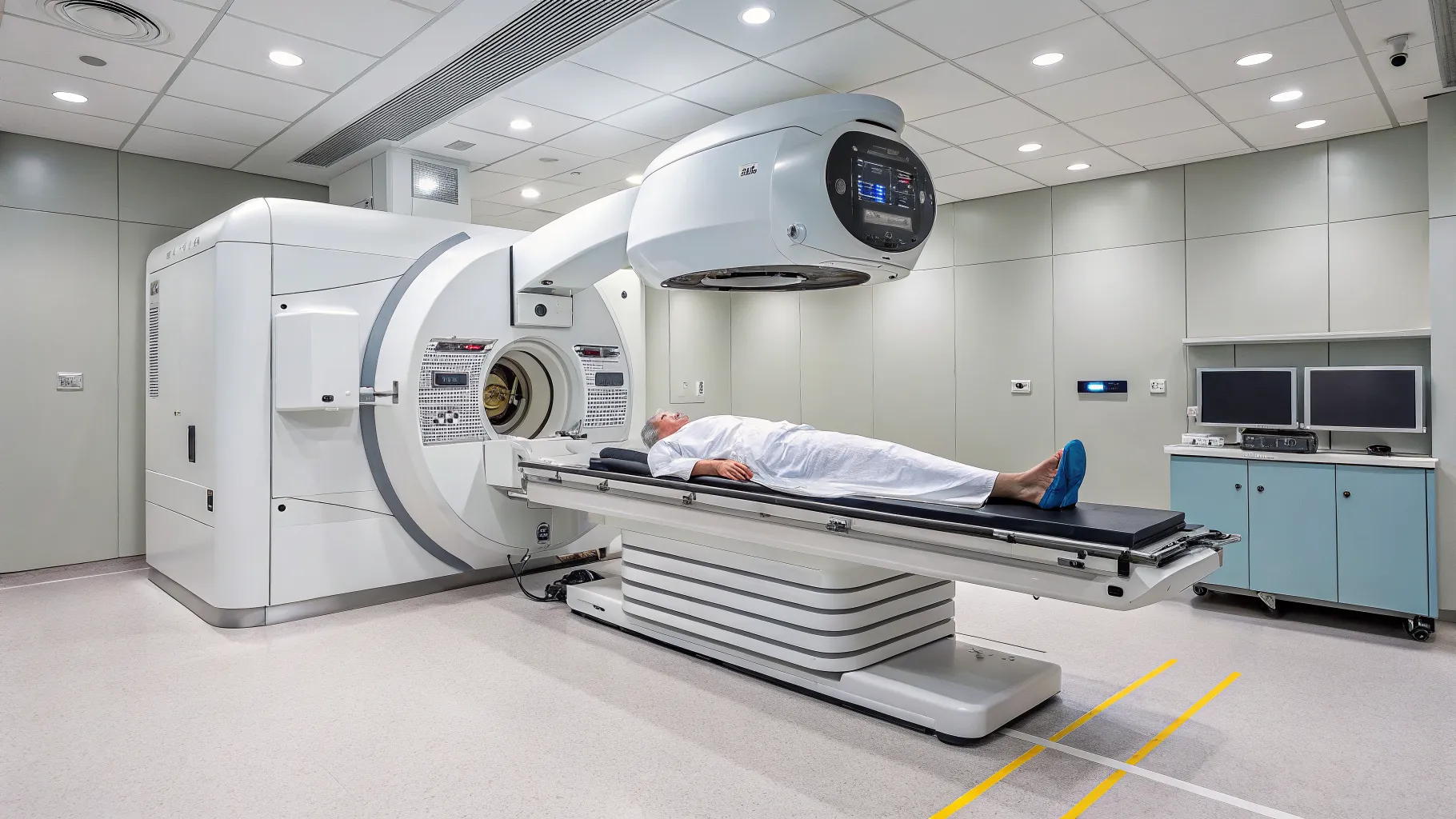
Once the plan is finalized, daily treatment sessions commence. Patients lie on a treatment table, positioned precisely using the immobilization devices and alignment marks on their skin. The linear accelerator or other radiation delivery machine then delivers the prescribed dose of targeted radiation. Each session typically lasts only a few minutes, though the entire process, including setup, can take 15-30 minutes. Throughout the course of radiation therapy for lung cancer, the treatment team closely monitors the patient for any immediate side effects of radiation therapy and adjusts the plan if necessary. Regular imaging (e.g., cone-beam CT) may be performed before each treatment to ensure the tumor is still in the exact planned location.
Managing Side Effects of Radiation Therapy for Lung Cancer
While radiation therapy for lung cancer is highly effective, it can cause various side effects, which vary depending on the area treated, the dose of radiation, and individual patient factors. Understanding and managing these side effects of radiation therapy is a crucial aspect of overall lung cancer treatment, ensuring patient comfort and maintaining quality of life throughout the course of therapy. The oncology team provides comprehensive support and strategies to alleviate discomfort.
Common Acute Side Effects
Acute side effects typically occur during or shortly after treatment and may include fatigue, skin irritation in the treated area (resembling a sunburn), and esophagitis (inflammation of the esophagus), which can cause pain or difficulty swallowing. Patients may also experience a cough or shortness of breath due to inflammation in the lungs. Managing these symptoms often involves supportive care, such as topical creams for skin reactions, pain medication for esophagitis, and dietary modifications. It’s important to communicate any symptoms promptly to the radiation oncology team.
Potential Long-Term Side Effects
Long-term side effects of radiation therapy can manifest months or even years after treatment completion. These might include radiation pneumonitis (inflammation of the lungs), pulmonary fibrosis (scarring of lung tissue), or cardiac effects if the heart was within the radiation field. While less common with modern targeted radiation techniques, these possibilities are discussed with patients prior to treatment. Regular follow-up appointments after radiation therapy for lung cancer are essential for monitoring and addressing any delayed complications. Early detection and management are key to mitigating the impact of these longer-term effects.
Innovations and Future Directions in Radiation Oncology
The field of radiation oncology is continuously advancing, bringing new hope and improved outcomes for patients undergoing radiation therapy for lung cancer. These innovations focus on enhancing precision, reducing toxicity, and integrating radiation more effectively with other cancer treatments. The goal is always to deliver the most effective lung cancer treatment with the fewest possible side effects.
Image-Guided Radiation Therapy (IGRT)
IGRT is a technique that uses imaging scans (like CT, MRI, or X-rays) taken immediately before or during each radiation treatment session. This allows the radiation oncologist to visualize the tumor and surrounding healthy tissues in real-time, making fine adjustments to the patient's position or the radiation beams. This heightened precision is vital for organs that move, like the lungs, ensuring that the targeted radiation consistently hits the tumor while sparing healthy structures. IGRT has become a standard of care in modern radiation therapy for lung cancer, significantly improving the accuracy of treatment delivery.
Adaptive Radiation Therapy (ART)
ART takes IGRT a step further by not just correcting for daily variations but also modifying the entire treatment plan over time. As tumors shrink or patient anatomy changes during the course of radiation therapy for lung cancer, the original plan may no longer be optimal. ART allows the treatment team to adapt the radiation plan mid-treatment, ensuring that the targeted radiation remains precise and effective throughout the entire course, thus maximizing tumor control and minimizing side effects of radiation therapy. This dynamic approach represents a significant leap forward in personalized lung cancer treatment.
Combination Therapies
Future directions in radiation oncology increasingly focus on combining radiation therapy for lung cancer with other systemic treatments like immunotherapy or targeted molecular therapies. Research is exploring how radiation can prime the immune system to better recognize and attack cancer cells, creating a synergistic effect. These combined approaches hold immense promise for improving survival rates and providing more durable responses, particularly in advanced or metastatic lung cancer. The integration of various treatment modalities is shaping the future of comprehensive lung cancer treatment.
Frequently Asked Questions
What is the primary goal of radiation therapy for lung cancer?
The primary goal of radiation therapy for lung cancer is to destroy cancer cells and shrink tumors while minimizing damage to healthy surrounding tissues. It can be used for curative intent, to control tumor growth, or to alleviate symptoms like pain or obstruction, making it a versatile lung cancer treatment option.
Is radiation therapy painful?
No, the actual delivery of radiation therapy for lung cancer is not painful. You won't feel anything during the treatment session. However, some patients may experience mild discomfort from lying still on the treatment table for the duration of the session. Any pain or discomfort typically arises from the side effects of radiation therapy that develop over time, such as skin irritation or esophagitis, which are managed by the healthcare team.
How long does a course of radiation therapy for lung cancer typically last?
The duration of radiation therapy for lung cancer varies significantly based on the specific type of treatment and the stage of cancer. For example, SBRT might involve 1-5 sessions, while conventional EBRT can last for 4-7 weeks, with daily treatments on weekdays. Your radiation oncology team will provide a personalized schedule.
Can radiation therapy be used after lung cancer surgery?
Yes, radiation therapy for lung cancer can be used after surgery (adjuvant radiation) to eliminate any remaining microscopic cancer cells and reduce the risk of recurrence. It can also be used before surgery (neoadjuvant radiation) to shrink large tumors, making them easier to remove. This multimodal approach is common in comprehensive lung cancer treatment plans.
What are the most serious side effects of radiation therapy for lung cancer?
While most side effects of radiation therapy are manageable, the most serious long-term risks can include radiation pneumonitis (inflammation of the lungs), pulmonary fibrosis (scarring), and, rarely, damage to the heart or esophagus. These severe complications are less common with modern targeted radiation techniques and are carefully monitored by the oncology team.
References
- National Cancer Institute. Radiation Therapy for Cancer.
- American Society for Radiation Oncology (ASTRO). Lung Cancer.
- Clinical Oncology reports on advancements in Stereotactic Body Radiation Therapy (SBRT).
- World Health Organization guidelines on cancer treatment.
- Journal of Thoracic Oncology research on adaptive radiation therapy.
Authored by 24Trendz team