Prepare for Your First Hearing Test Tips and Expectations
How to Prepare for Your First Hearing Test
Taking the first step towards understanding your hearing health is an important decision. If you’ve never been to an audiologist before, you may feel a bit anxious about what’s in store. Don't worry; preparing for your first hearing test is straightforward and can help ease your nerves. In this guide, we’ll cover how to prepare for your first hearing test, what to expect during the appointment, and tips to make the process easier for you.
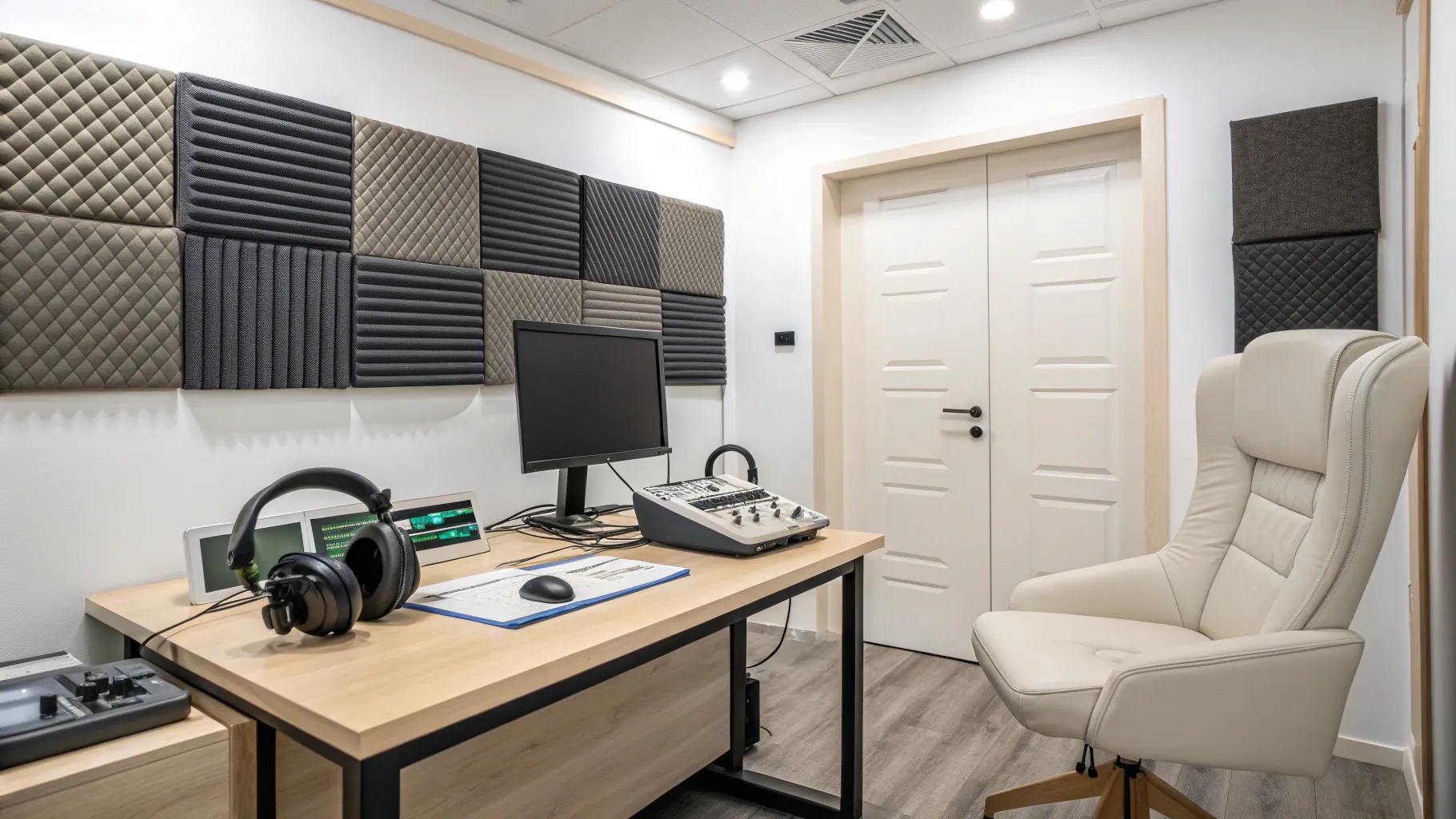
What to Expect at Your First Hearing Exam
Your first audiology appointment will likely last about an hour. When you arrive, expect to fill out some paperwork about your medical history and any hearing problems you’ve noticed. Be open and honest; this information helps the audiologist understand your needs better. Some common concerns could include difficulty hearing in noisy environments, frequent misunderstandings, or ringing in the ears.
After the paperwork, the audiologist may conduct an ear examination using an otoscope, a small device that allows them to look inside your ear canals. This initial check helps identify any visible issues such as wax buildup or infections before conducting hearing tests.
The core of your hearing examination will consist of several tests:
- Pure-tone audiometry: You will wear headphones and listen for beeping sounds at various pitches and volumes. You’ll signal when you hear them (usually by raising your hand).
- Speech audiometry: In this test, simple words will be spoken at different volumes, and you’ll be asked to repeat what you hear. This assesses your ability to understand speech.
- Middle ear evaluation: This test assesses how well your middle ear is functioning. You may hear sounds and feel pressure changes; it’s completely painless.
These tests allow the audiologist to determine how well you hear across different frequencies and volumes. They’ll assess whether any hearing loss is present and what steps to take next.
Hearing Test Preparation Guide
Preparing for your hearing test can significantly affect your experience. Here are some practical tips to help you:
- Bring a friend or family member: Bringing someone along can provide emotional support and help you remember what the audiologist discusses during your appointment.
- Keep a record of your hearing history: Before your appointment, jot down any hearing difficulties you’ve encountered, including specific situations where you struggle the most, such as when talking in groups or during phone calls.
- Avoid earwax buildup: While earwax is natural, excessive buildup can affect your hearing test results. Use softening drops a day or two in advance if needed—just consult with a healthcare professional if you’re unsure.
- Don’t wear noisy accessories: Avoid wearing jewelry or hair accessories that may create noise, as these could distract you or the audiologist during the tests.
- Stay calm: Many people feel anxious about their first hearing test, but take a deep breath and remind yourself that this is a step toward better health. Audiologists are professionals who want to help!
It's also essential to arrive at your appointment with a clear mind. If you're feeling unwell or under stress, it could impact your perception of the sounds during testing. Schedule your hearing test at a time when you're likely to be relaxed and focused.
For those who wear hearing aids, make sure to bring them with you. The audiologist will want to assess your current devices and discuss any adjustments or potential upgrades that may be beneficial.
First-Time Hearing Evaluation Guide
The experience of a first hearing evaluation is different for everyone. Recent studies indicate that approximately 15% of adults report some degree of hearing trouble, which may seem alarming. However, many audiologists report a positive trend in awareness towards hearing health, making initial consultations more common.
The findings from your hearing test will help the audiologist determine if you have hearing loss, the degree of it, and the potential causes. For example, age-related hearing loss, known as presbycusis, affects approximately 1 in 3 people between the ages of 65 and 74. If identified early, interventions can greatly enhance quality of life.
In addition to clinical diagnosis and treatment planning, many audiologists focus on education. They will guide you through understanding your test results and what they mean in a practical context. For instance, they might explain what sound frequencies you have difficulty hearing and provide strategies for effective communication.
As part of your ongoing hearing health, it’s beneficial to foster a proactive relationship with your audiologist. Schedule regular follow-ups depending on your individual needs; this can be annually for some, while others may benefit from more frequent assessments.
Hearing Test Checklist for Beginners
Here’s a handy checklist to ensure you’re truly ready for your first hearing test:
- Have I kept a record of my hearing issues and what situations are problematic?
- Do I have a friend or family member who can accompany me?
- Have I made arrangements to arrive on time and have a calm mindset?
- Am I bringing any hearing aids or other assistive devices I currently use?
- Will I remember to listen actively to the audiologist’s explanations?
In 2025, awareness around hearing health is more critical than ever. Taking the first step by preparing for your first hearing test opens the door to better communication and connection in your life. Every effort you make to prepare lays the groundwork for a better understanding of your hearing health. Embrace the journey—your ears will thank you!
Authored by 24Trendz team