Prepare for Your First Breast Exam Tips and Guide
How to Prepare for Your First Breast Exam
Are you feeling a bit anxious about your first breast exam? That’s completely normal. Many women share that sentiment, and it’s crucial to acknowledge those feelings as part of taking charge of your health. This guide aims to alleviate some of that apprehension by walking you through how to prepare for your first breast exam, what to expect during the process, and why it’s an essential part of proactive breast health management.
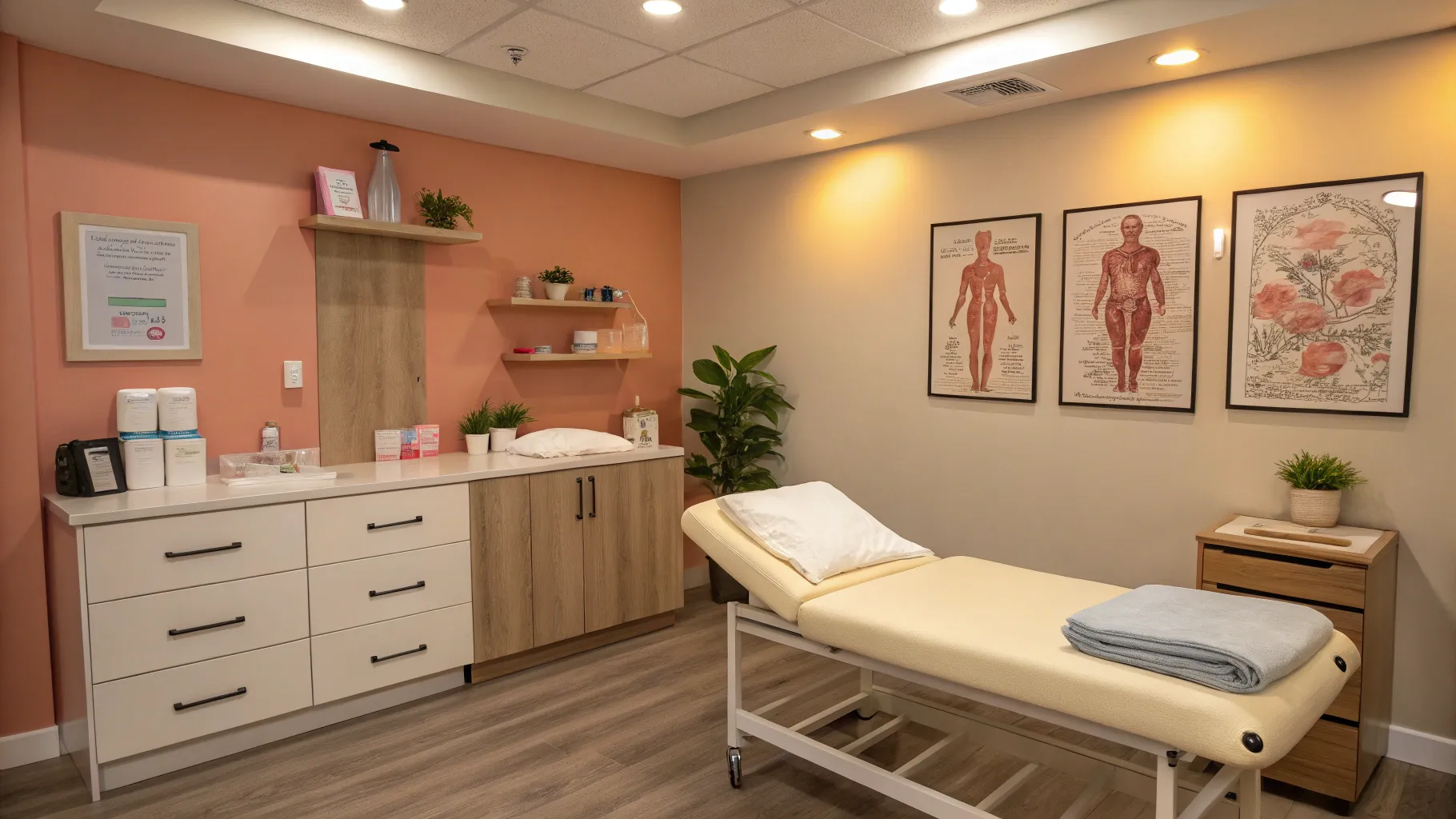
Understanding Your First Breast Exam
Your first breast exam is a fundamental step in monitoring your breast health. Typically performed by a qualified healthcare professional, the exam aims to identify any abnormalities such as lumps, changes in texture, or skin changes that could indicate potential health issues. Establishing a baseline for your breast health is vital. Early detection often makes a significant difference in outcomes, particularly regarding breast cancer. In fact, recent research shows that women who engage in regular breast exams and screenings have a 20 to 30 percent increased chance of early detection.
During your breast exam, be prepared for several steps:
- A Conversation: You’ll discuss your medical history and any concerns you may have with the clinician. This conversation helps tailor the exam to your specific needs.
- Physical Examination: The provider will perform a thorough physical examination, feeling for lumps or abnormalities in both the breasts and underarm areas.
- Education: Your healthcare provider will offer guidance on performing breast self-exams, helping you become more attuned to changes in your body.
The process generally takes about 15 to 30 minutes. It may form part of a broader screening plan that could include mammograms, especially if you’re over the age of 40 or have a family history of breast cancer.
Essential Tips for Your First Breast Exam
To help ensure this experience is as pleasant and reassuring as possible, consider the following preparation tips:
- Choose Your Appointment Time Carefully: Schedule your exam after your menstrual cycle. Breasts can be swollen and tender right before your period, making the exam less comfortable.
- Know Your Health History: Familiarize yourself with your family’s health history. If there are instances of breast or ovarian cancer in your family, be sure to share this information with your provider to assess any associated risks.
- Prepare Your Questions: Think of any questions you want to ask during the visit. Consider questions such as:
- What should I do if I find a lump between exams?
- How frequently should I schedule my breast exams?
- What symptoms or issues should I monitor over time?
- Stay Relaxed: Practice techniques to calm your nerves. Deep breathing, visualization, or even bringing your favorite music can help ease anxiety.
- Bring a Support Person: If you can, bring along a friend or family member for moral support. It’s comforting to have someone by your side during this important health screening.
- Dress Comfortably: A two-piece outfit allows for easier access during the exam, while keeping you feeling more comfortable than if you were to disrobe completely.
What Happens During a Clinical Breast Exam?
As part of your clinical breast exam, your healthcare provider will check for various indicators of breast health. They will evaluate:
- Breast tissue texture
- Size and shape of both breasts
- Presence of lumps or unusual features
- Changes in the skin texture or overall appearance
Being proactive in monitoring your breast health can pay off significantly down the line. According to the latest statistics, regular mammograms have been shown to reduce breast cancer mortality rates, especially for women over 40. Women who adhere to a recommended screening schedule drastically increase their odds of survival. In fact, the American Cancer Society notes that early detection is one of the most critical factors in successful treatment.
Preparing for a Mammogram
If you're 40 years old or older—or if your healthcare provider recommends it—expect to discuss getting a mammogram during your visit. Mammograms play a critical role in identifying potential issues before they develop further. Here's how to prepare for this essential screening:
- Avoid Certain Products: On the day of your mammogram, steer clear of deodorants, powders, lotions, or perfumes that might interfere with imaging results.
- Discuss Your Medications: Inform your healthcare provider about any medications you're taking, particularly ones that may need temporary discontinuation prior to the test.
- Understand the Procedure: A mammogram entails compressing breast tissue to capture clear images. While it can be uncomfortable, the pressure is brief, lasting only a few seconds.
- Clarify Appointment Details: Have a clear understanding of your appointment, including any specific preparations or questions you might need to address prior to the mammogram.
By grasping the importance of breast exams, you’re actively investing in your long-term health. Breast exams and mammograms are vital in uncovering health issues early when they are often most easily treatable.
As you gear up for your first breast exam, take a moment to acknowledge this important step towards good health. Having open discussions with your healthcare provider, empowering yourself with knowledge about your body, and following their recommendations sets a strong foundation for a lifelong commitment to health maintenance. Remember, taking care of your breasts is just as vital as caring for any other part of your body.
Authored by 24Trendz team