Unlocking Value: Your Guide to Police Impound Cars at Public Auction
Facts:
- Vehicle seizures are rising across many jurisdictions.
- Increased demand for affordable transport drives interest in government auto auctions.
Navigating the World of Police Impound Auctions
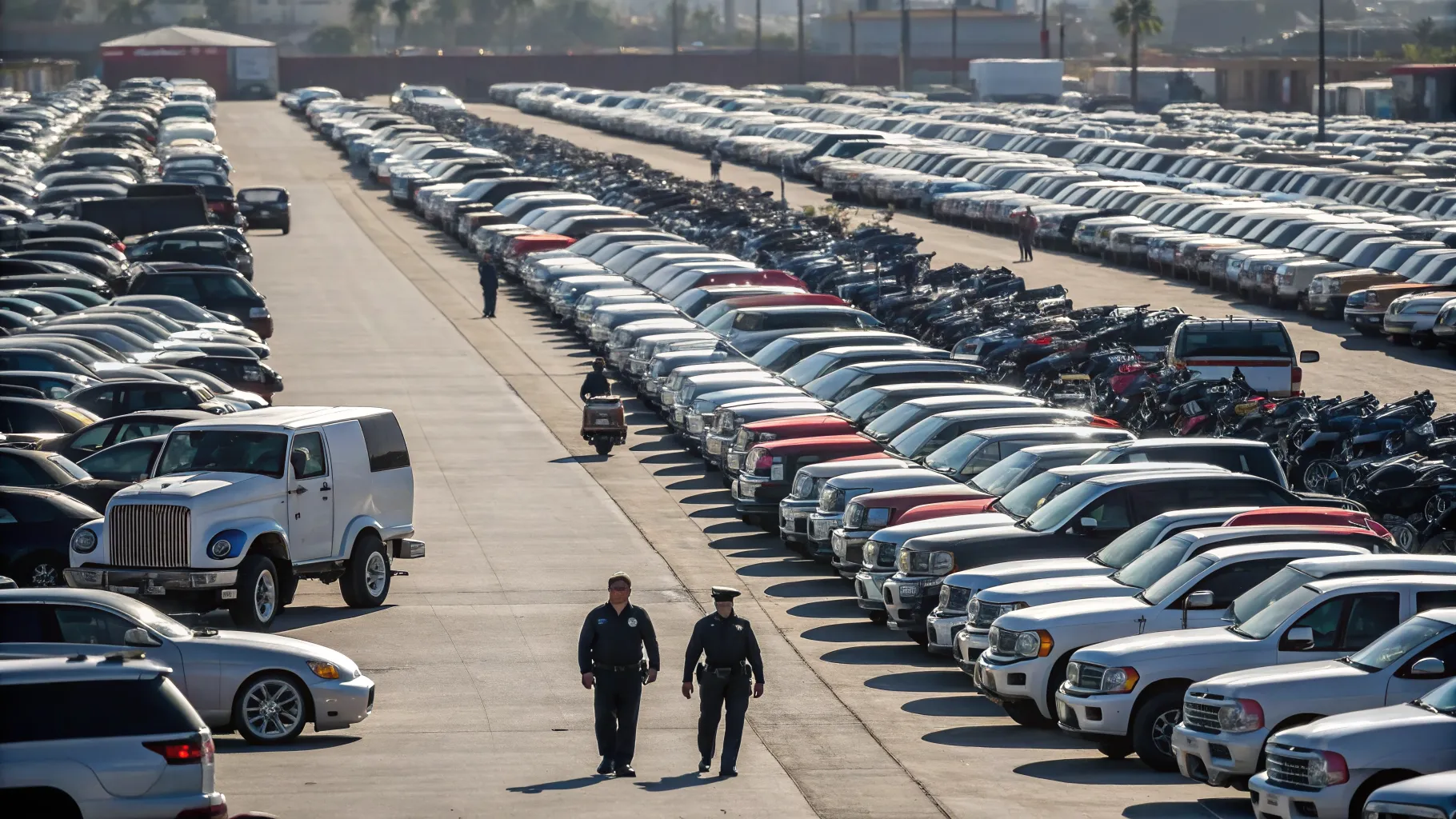
Exploring the opportunity to purchase vehicles from police impound auctions can be a thrilling yet complex endeavor. These sales, often categorized as government auto auctions or public vehicle auctions, present a unique pathway to acquiring cars, trucks, and even motorcycles at potentially significant savings. Understanding the specific procedures, legalities, and risks involved is crucial for any prospective buyer looking to capitalize on impounded car sales.
Understanding the Seizure Process and Vehicle Eligibility
Before diving into the auction process, it's essential to grasp why vehicles end up at police impound auctions. Cars are typically seized for various reasons, including unpaid parking tickets, abandoned vehicles, DWI/DUI offenses, criminal activity forfeiture, or expired registrations. Each jurisdiction will have specific laws governing how long a vehicle must be held before it can be deemed eligible for impounded car sales. Buyers need to understand that these vehicles often come "as-is" and may have outstanding liens or mechanical issues that contributed to their abandonment or seizure. Thorough due diligence is paramount. The condition of these vehicles can range dramatically from minor cosmetic damage to significant mechanical problems, reflecting the circumstances under which they were acquired by law enforcement agencies.
Common Reasons for Vehicle Impoundment
Vehicles are impounded for a myriad of reasons, each impacting the potential condition and history of the car. For instance, cars seized due to unpaid parking fines might be in relatively good condition, simply having been neglected by their owners, whereas vehicles involved in criminal investigations could bear evidence of damage or modifications. Understanding the impoundment reason can sometimes offer clues about the vehicle's past and potential future maintenance needs. These details are often outlined in the auction manifest, which savvy buyers will scrutinize before participating in public vehicle auctions.
How to Find and Prepare for Government Auto Auctions
Locating legitimate government auto auctions requires knowing where to look. Local police departments, county sheriffs' offices, and municipal impound lots frequently host or contract out these sales. Websites of local government entities, specialized auctioneers, and online auction platforms are excellent resources. It's advisable to subscribe to mailing lists or regularly check these sites for upcoming seized vehicle auctions. Preparation is key: always review the auction catalog or inventory list in advance, noting specific vehicles of interest. Pay close attention to the terms and conditions, as they can vary significantly between different police impound auctions.
Pre-Auction Inspection and Research
A critical step for anyone considering participating in impounded car sales is the pre-auction inspection. Most auctions offer a viewing period where potential buyers can inspect vehicles in person. During this time, look for obvious signs of damage, fluid leaks, tire condition, and interior wear. While test drives are rarely permitted, you might be allowed to start the engine. Beyond physical inspection, conduct a VIN check. This can reveal crucial information such as accident history, odometer discrepancies, flood damage, and title issues that could affect the vehicle's value or legality. This due diligence is non-negotiable for successful bids at public vehicle auctions.
Strategies for Bidding and Winning at Public Vehicle Auctions
Participating in public vehicle auctions requires a clear strategy. First, establish a strict budget, including potential repair costs, registration fees, and auction premiums, and stick to it. Emotional bidding can lead to overspending. Understand the auction format, whether it's live or online, and be aware of bidding increments. For live auctions, observe other bidders and don't show your hand too early. For online auctions, set maximum bids if available. Remember that the goal is to secure a vehicle at a good price, not just to win the bid. Many successful buyers at police impound auctions attribute their success to patience and discipline.
Post-Auction Procedures and Vehicle Retrieval
Once you've successfully placed the winning bid at one of the seized vehicle auctions, immediate action is usually required. Full payment is often due within 24-48 hours, usually via certified funds. Be prepared to arrange for vehicle pickup promptly, as storage fees can accrue quickly. Understand the titling process, which can sometimes be more complex for vehicles from government auto auctions, especially if the original title is missing or if it's a salvage title. Having a plan for transportation and any necessary repairs immediately after the auction ensures a smooth transition of ownership and avoids additional costs.
Legal Considerations and Potential Risks of Impounded Car Sales
While the allure of low prices at impounded car sales is strong, buyers must be aware of the legal nuances and inherent risks. Vehicles are typically sold "as-is, where-is," meaning there are no warranties or guarantees from the auction house or the impounding agency. It's crucial to understand that you are accepting the vehicle with all its existing conditions, visible or hidden. Issues such as unrevealed damage, missing components, or even significant mechanical failures could be present. Furthermore, some titles might be "salvage" or "junk" titles, which can restrict registration or insurance options. A comprehensive understanding of the terms of sale and a realistic assessment of potential post-purchase expenses are vital when engaging in police impound auctions.
Maximizing Your Investment: Tips for Buyers at Police Impound Auctions
To truly maximize your investment when purchasing vehicles through police impound auctions, consider several key strategies. Firstly, specialize in a particular type of vehicle or a specific make and model you are familiar with, as this knowledge can help you better assess value and repair costs. Secondly, network with mechanics or car enthusiasts who might offer insights or even assist with pre-auction inspections. Thirdly, always factor in potential reconditioning costs; a low purchase price might be offset by significant repair expenses. Lastly, remember that patience often pays off; not every auction will have the perfect vehicle at the perfect price. By diligently applying these tips, you can significantly enhance your chances of securing a valuable asset from government auto auctions and turning a profit or simply getting a great deal.
Frequently Asked Questions
Can anyone buy cars at police impound auctions?
Yes, most police impound auctions are open to the public. However, some specialized government auto auctions might require a dealer license. Always check the specific auction's terms and conditions before attending.
Are vehicles from impounded car sales reliable?
Reliability varies greatly. Since vehicles are sold "as-is," there are no guarantees. It's critical to perform a thorough pre-inspection and VIN check to assess the vehicle's potential condition and history before bidding at public vehicle auctions.
What payment methods are accepted at seized vehicle auctions?
Generally, seized vehicle auctions require immediate payment in full, often through certified funds like cashier's checks or money orders. Personal checks or credit cards are usually not accepted. Confirm payment methods with the auction house beforehand.
References
- Local Government Regulations on Vehicle Impoundment and Auction Protocols
- National Association of Auctioneers Best Practices for Public Sales
- Consumer Reports Guides on Used Vehicle Purchasing and Due Diligence
Authored by 24Trendz team