Unlock Your Future: Exploring Pipeline Welder Jobs in the United States
Fast Facts:
- Demand for skilled welders remains consistently high.
- Average welder salary for experienced pipeline professionals significantly exceeds national averages for skilled trades.
Navigating the Landscape of Pipeline Welding Careers in the United States
The demand for highly skilled professionals in the energy sector continues to drive a robust market for pipeline welder jobs across the United States. These critical roles involve the construction, maintenance, and repair of vast networks of oil and gas pipelines, essential infrastructure that powers homes and industries nationwide. Aspiring welders looking for a challenging yet rewarding path often consider pipeline welding careers due to their high earning potential and the satisfaction of contributing to vital national projects.
The Essential Role of Pipeline Welders in Energy Infrastructure
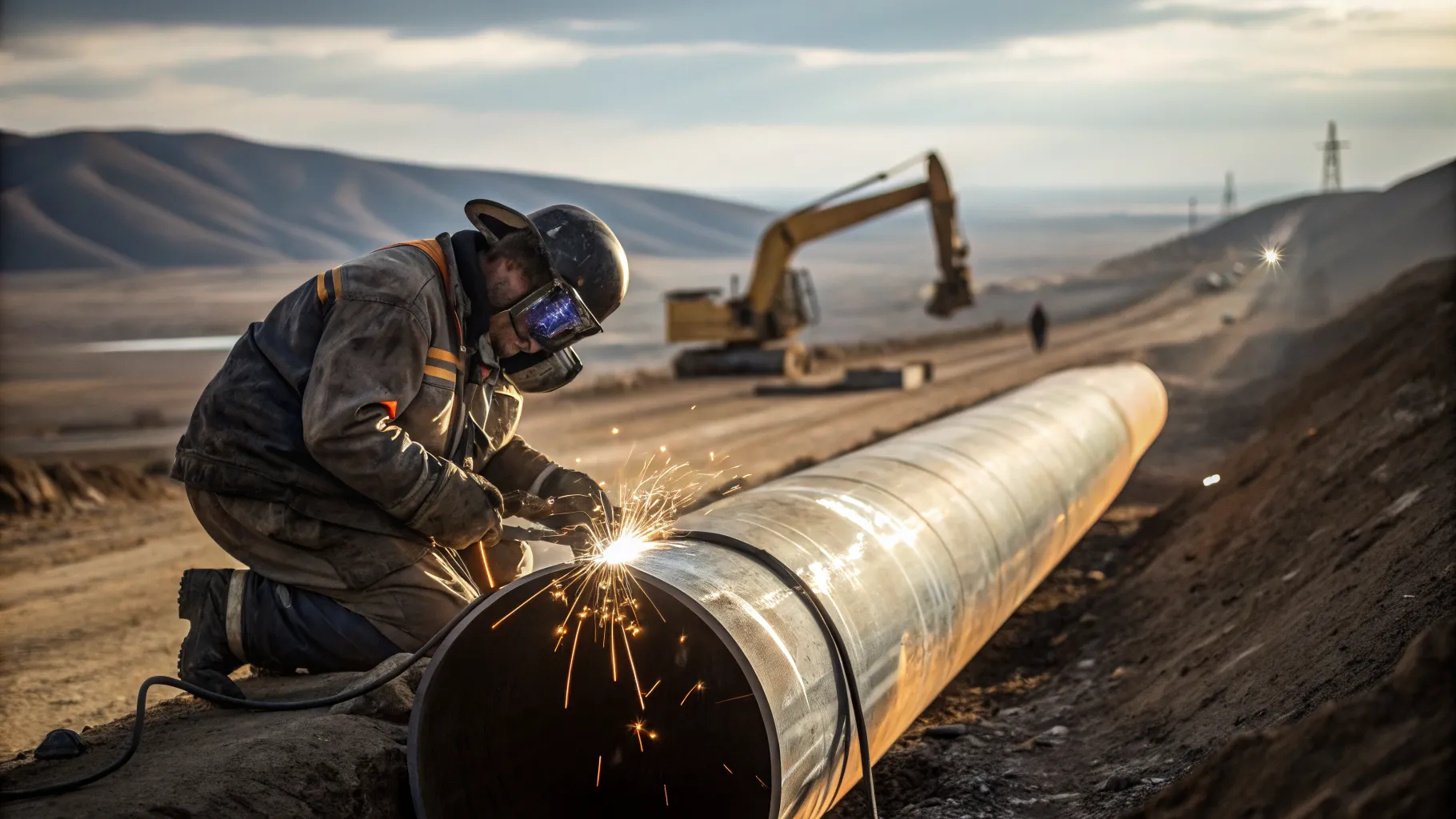
Pipeline welder jobs are at the heart of the energy industry, ensuring the safe and efficient transport of crucial resources like crude oil, natural gas, and refined petroleum products. These highly specialized roles require precision, endurance, and an unwavering commitment to safety standards. Working on oil and gas pipelines often involves challenging environments, from remote locations to extreme weather conditions, demanding welders who are not only technically proficient but also resilient. The integrity of these pipelines directly impacts environmental safety and national energy security, making the skills of a qualified industrial welding professional indispensable. Every weld joint must meet stringent quality control measures to prevent leaks and ensure long-term operational reliability. This vital responsibility underpins the high value placed on expert pipeline welding careers.
Required Skills and Certifications for Pipeline Welding Careers
To excel in pipeline welding careers, a specific set of skills and welding certifications is crucial. Beyond fundamental welding techniques such as Shielded Metal Arc Welding (SMAW), Gas Tungsten Arc Welding (GTAW), and Flux-Cored Arc Welding (FCAW), prospective pipeline welders must master pipe fitting, blueprint reading, and advanced safety protocols. Key certifications often include those from the American Welding Society (AWS), particularly the AWS D1.1 (Structural Welding Code – Steel) and API 1104 (Welding of Pipelines and Related Facilities). These certifications are not merely credentials; they represent a welder's proven ability to perform high-quality, code-compliant work under demanding conditions. Furthermore, continuous training and re-certification are often required to stay current with evolving industry standards and technologies in industrial welding. Employers actively seek candidates with a robust portfolio of certifications demonstrating their expertise in critical pipeline materials and processes for pipeline welder jobs.
Understanding the Competitive Pipeline Welder Salary Landscape
The potential for a high welder salary is a significant draw for individuals pursuing pipeline welding careers. Salaries are influenced by several factors, including experience, location, specific project demands, and the array of welding certifications held. Entry-level pipeline welders, even with their initial certifications, can expect a competitive starting wage, but the real financial rewards come with experience and specialized skills. Journeyman pipeline welders, particularly those with a proven track record of working on complex oil and gas pipelines, can command impressive hourly rates, often leading to six-figure annual incomes. Union membership can also play a role in negotiating higher wages and benefits packages. Compared to general fabrication welding, the specialized nature and inherent risks of pipeline welder jobs justify the premium compensation, reflecting the high demand for this expertise.
Career Progression and Specialization in Industrial Welding
Pipeline welding careers offer diverse avenues for career progression and specialization within the broader field of industrial welding. Experienced welders can move into supervisory roles, becoming welding inspectors, project managers, or trainers for new apprentices. Specialized areas include working with exotic materials, advanced non-destructive testing (NDT) techniques, or robotic welding systems for large-scale projects. Furthermore, opportunities exist in international projects, offering a global dimension to a pipeline welder job. The continuous evolution of welding technology and pipeline construction methods ensures that there are always new skills to learn and master, keeping the career dynamic and engaging. This continuous learning path contributes to sustained high earning potential and job security within the sector, enhancing overall welder salary growth.
Challenges and Rewards of Pipeline Welding
While the financial rewards and demand for pipeline welder jobs are substantial, the career comes with its unique set of challenges. Welders often work long hours, sometimes in remote or isolated locations, away from home for extended periods. The work itself is physically demanding, requiring strength, stamina, and mental focus under pressure. Exposure to harsh weather conditions, confined spaces, and working at heights are common aspects of the job. However, the rewards are equally significant. Beyond the competitive welder salary, pipeline welders gain immense satisfaction from contributing to vital infrastructure, mastering a highly respected craft, and being part of a close-knit community of skilled tradespeople. The sense of accomplishment in seeing a massive pipeline project completed and knowing your integral role in its construction is a profound professional gratification for those in pipeline welding careers.
Essential Steps for Aspiring Pipeline Welders
Obtain Relevant Welding Certifications: Focus on industry-recognized certifications like AWS D1.1 and API 1104. These are non-negotiable for most pipeline welder jobs and demonstrate your proficiency in industrial welding.
Gain Practical Experience: Start with entry-level welding positions or apprenticeships to build a strong foundation. Hands-on experience with various welding processes and pipe materials is invaluable before tackling complex oil and gas pipelines.
Network Within the Industry: Attend trade shows, join professional organizations, and connect with experienced welders. Networking can open doors to mentorship opportunities and job leads in pipeline welding careers.
Be Prepared for Travel and Relocation: Many pipeline welder jobs require significant travel to project sites across different states or even internationally. Flexibility and a willingness to relocate are often essential.
Prioritize Safety Training: Complete all required safety courses and maintain a strong safety record. Employers in industrial welding highly value candidates who demonstrate a deep understanding and commitment to safety protocols.
Frequently Asked Questions
What is the typical entry-level welder salary for pipeline work?
Entry-level pipeline welder jobs, even with initial certifications, can start at competitive hourly rates, often ranging from $20 to $30 per hour. This can increase rapidly with experience, specialized skills, and advanced welding certifications, leading to a much higher overall annual welder salary.
Are welding certifications necessary for pipeline welding careers?
Absolutely. Welding certifications are paramount for pipeline welding careers. Certifications from organizations like the American Welding Society (AWS) and the American Petroleum Institute (API) are often mandatory, ensuring that welders meet the stringent quality and safety standards required for oil and gas pipelines.
What kind of working conditions can I expect in pipeline welder jobs?
Working conditions for pipeline welder jobs can be demanding. Expect to work outdoors in various weather conditions, in remote locations, and potentially for long hours. The work is physically intensive and requires a high degree of focus and adherence to safety procedures common in industrial welding environments.
References
- American Welding Society (AWS)
- American Petroleum Institute (API)
- U.S. Department of Labor, Bureau of Labor Statistics
- Various industry-specific trade publications and online forums
Authored by 24Trendz team