Unlock Vitality with Senior Pilates: The Ultimate Guide to Gentle Pilates Workouts
Facts:
- Pilates boosts strength, balance, and flexibility.
- Interest in senior Pilates growing for active aging.
Embracing the Benefits of Pilates Classes for Seniors
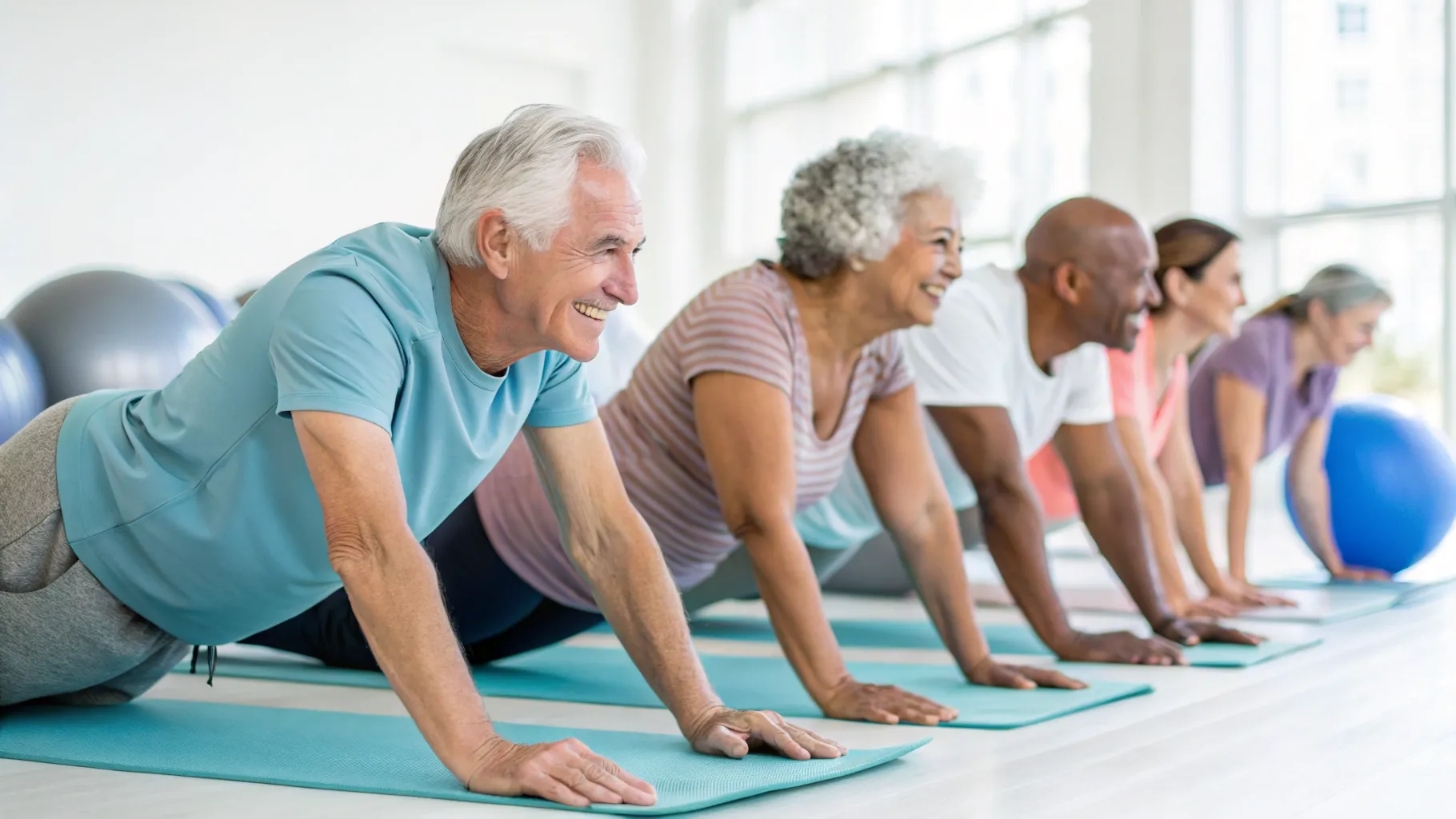
As we age, maintaining physical fitness becomes increasingly important for overall well-being and independence. Engaging in activities like Pilates classes for seniors offers a remarkable pathway to improved health, targeting core strength, flexibility, and balance without high impact. These specialized workouts are designed to accommodate varying fitness levels and physical conditions, making them an ideal choice for older adults looking to enhance their vitality and quality of life.
Why Pilates for Older Adults is a Game-Changer
The unique methodology of Pilates makes it particularly beneficial for the aging population. Unlike some strenuous exercises, Pilates for older adults focuses on controlled movements, proper breathing, and core engagement, which are crucial for preventing falls and maintaining functional independence. This gentle yet effective approach helps strengthen muscles often weakened by age, such as those in the abdomen, back, and pelvic floor, contributing to better posture and reduced back pain. Furthermore, the emphasis on mind-body connection in Pilates can enhance cognitive function and reduce stress, offering holistic benefits beyond just physical improvements. It's not just about building muscle; it's about improving proprioception and kinesthetic awareness, allowing seniors to move with greater confidence and ease in their daily lives.
Tailored Gentle Pilates Workouts for Every Senior
One of the greatest advantages of Pilates classes for seniors is their adaptability. Instructors often modify exercises to suit individual needs, whether a senior is recovering from an injury, managing a chronic condition, or simply beginning their fitness journey. Mat Pilates, for instance, utilizes gravity and body weight, while reformer Pilates uses specialized equipment with springs and pulleys to provide both assistance and resistance, making complex movements accessible. The key is to start slow, listen to your body, and gradually increase intensity. Many studios offer beginner-friendly classes specifically labeled as "gentle Pilates workouts," ensuring a safe and supportive environment for new participants. These classes often incorporate props like resistance bands, small balls, and foam rollers to deepen stretches and provide additional support, enhancing the overall experience and effectiveness of the exercises.
Understanding Mat vs. Reformer Pilates for Seniors
When considering Pilates classes for seniors, the choice between Mat Pilates and Reformer Pilates often arises. Mat Pilates involves performing exercises on a mat, utilizing your own body weight for resistance. It's often more accessible, requiring minimal equipment, and can be easily done at home or in a group class. This format is excellent for developing foundational core strength, body awareness, and flexibility. Conversely, Reformer Pilates uses a specialized bed-like machine with a sliding carriage, springs, ropes, and pulleys. The springs provide varying levels of resistance and assistance, making certain exercises more challenging or more supportive. This can be particularly beneficial for seniors who need extra support for balance or those looking to deepen their strength training with controlled resistance. Both methods deliver significant Pilates benefits for seniors, but the reformer often allows for a wider range of motion and offers more immediate feedback on proper form, making it a powerful tool for rehabilitation and progressive strength building.
Unlocking the Full Spectrum of Pilates Benefits for Seniors
The comprehensive nature of Pilates extends a wide array of advantages specifically tailored to the needs of older adults. Beyond improved physical attributes, regular participation in Pilates classes for seniors can significantly boost mental well-being. The focus required during each movement encourages mindfulness, which can reduce stress and anxiety. Furthermore, the social aspect of group classes provides opportunities for connection and community, combating feelings of isolation. Physically, seniors often report enhanced balance, which is crucial for fall prevention, increased flexibility for daily tasks, and greater overall strength, making activities like lifting groceries or climbing stairs feel easier. These compounded benefits lead to a higher quality of life, empowering seniors to remain active and independent for longer periods. The emphasis on controlled breathing also contributes to better cardiovascular health and increased lung capacity, adding another layer to the substantial health improvements.
Practical Advice for Starting Pilates Exercises for Seniors
Consult Your Doctor:
Before beginning any new exercise regimen, it is always wise to consult with your healthcare provider. This ensures that Pilates exercises for seniors are safe and appropriate for your current health status and any existing conditions you may have. They can offer personalized advice and highlight any specific precautions to consider, giving you peace of mind as you start.
Find a Qualified Instructor:
Look for instructors who are certified in Pilates and, ideally, have experience working with older adults. A good instructor will understand the unique needs and limitations of seniors, providing modifications and personalized attention to ensure proper form and prevent injury. Ask about their experience with "senior Pilates" specifically.
Start with Beginner or Gentle Classes:
Even if you consider yourself active, beginning with classes specifically designed for beginners or seniors is crucial. These "gentle Pilates workouts" will introduce you to the fundamental principles and movements at a comfortable pace, building a strong foundation before progressing to more advanced exercises. This phased approach helps to build confidence and minimize the risk of overexertion.
Listen to Your Body:
Pilates is about controlled movement, not pushing through pain. Pay close attention to how your body feels during each exercise. If something causes discomfort or pain, communicate this immediately to your instructor. Modifying exercises or taking breaks as needed is key to a safe and effective practice, ensuring you reap the full Pilates benefits for seniors without injury.
Consistency is Key:
To truly experience the transformative effects of Pilates, consistency is paramount. Aim for at least two to three sessions per week. Regular practice will progressively build strength, improve flexibility, and enhance balance, leading to lasting health improvements and a greater sense of well-being. Make it a routine to fully embrace the advantages of Pilates for older adults.
Frequently Asked Questions
Is Pilates safe for all seniors?
While Pilates is generally considered safe for most older adults, it's crucial to consult a doctor before starting, especially if you have pre-existing health conditions or are recovering from an injury. A qualified instructor can also provide modifications to make senior Pilates safe and effective for individual needs, ensuring that movements are adapted to your personal capabilities and limitations. This personalized approach minimizes risks and maximizes benefits.
What kind of equipment do I need for Pilates classes for seniors?
For Mat Pilates, you primarily need a comfortable mat. Some classes might use small props like resistance bands, small balls, or foam rollers to enhance exercises. For Reformer Pilates, specialized equipment is provided at the studio. No significant personal investment in equipment is typically required to start with gentle Pilates workouts at a studio or gym.
How often should seniors do Pilates to see results?
For optimal results and to experience the full spectrum of Pilates benefits for seniors, it is generally recommended to practice two to three times per week. Consistency is more important than intensity, and regular participation will lead to noticeable improvements in strength, flexibility, balance, and overall well-being. Even once a week can offer benefits, but more frequent sessions accelerate progress.
Can Pilates help with chronic pain in seniors?
Yes, many seniors find that Pilates exercises for seniors can significantly help manage and reduce chronic pain, particularly back pain. The focus on core strengthening, improved posture, and increased body awareness helps to support the spine and joints, alleviating pressure and enhancing movement efficiency. Regular practice can lead to long-term pain relief and better functional movement.
References
- Pilates Method Alliance. (n.d.). Benefits of Pilates.
- American Council on Exercise (ACE). (n.d.). Exercise for Older Adults.
- Journal of Physical Therapy Science. (n.d.). Effects of Pilates on balance and fall prevention.
Authored by 24Trendz team