Pilates Classes for Seniors: Unlock the Benefits of Gentle Movement
Facts:
- Pilates enhances mobility in older adults.
- Demand for gentle Pilates for seniors is steadily increasing.
Embracing the Power of Pilates Classes for Seniors for Enhanced Well-being
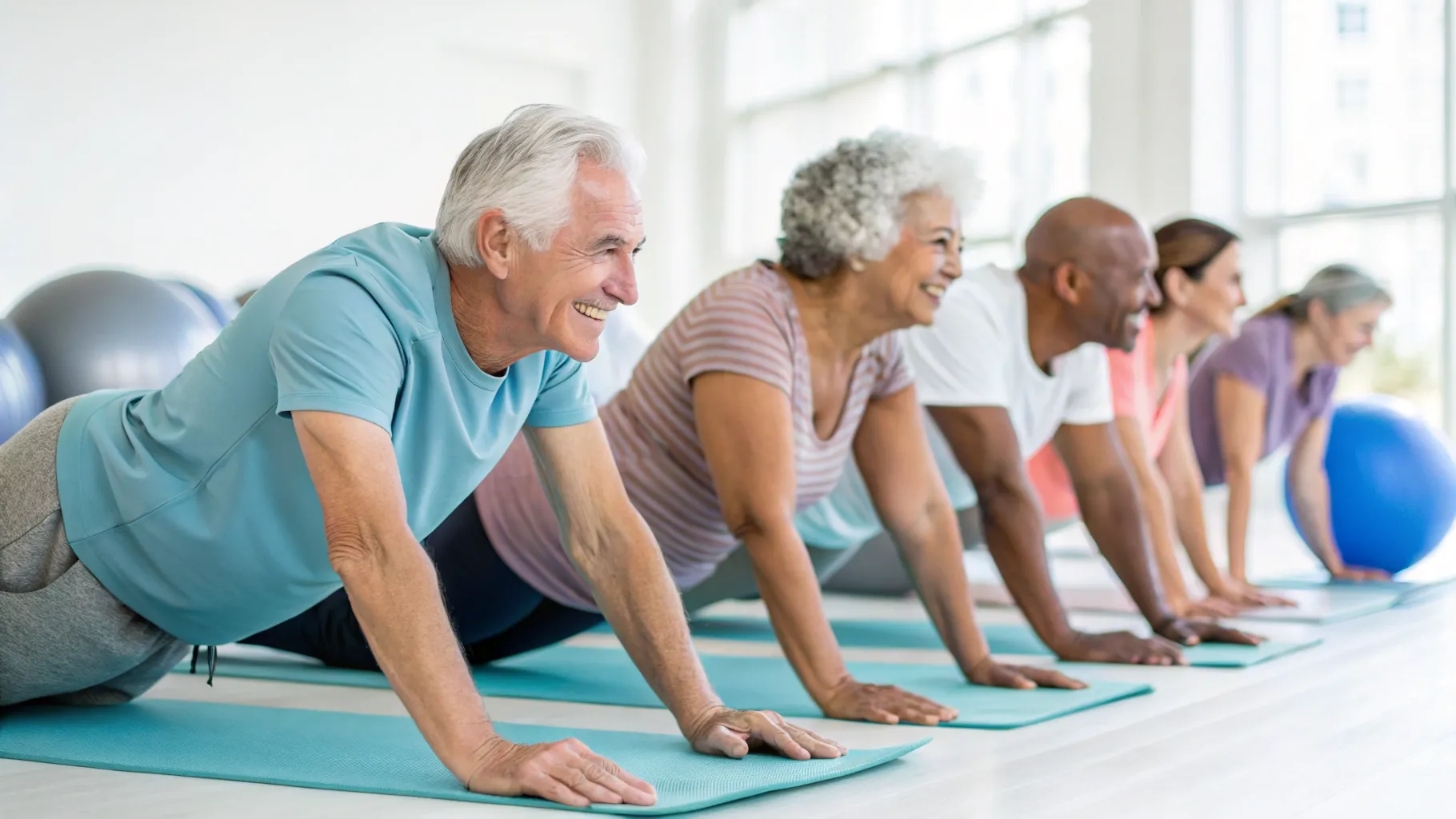
Delve into why Pilates classes for seniors are becoming a cornerstone for active aging. This mindful movement system, developed by Joseph Pilates, offers a unique blend of physical and mental conditioning perfectly suited for older adults. Far from being a high-impact workout, gentle Pilates focuses on controlled movements, core strength, flexibility, and balance, addressing many of the physical challenges associated with aging. Its emphasis on proper alignment and precise execution makes it an ideal option for individuals seeking to maintain independence and improve their quality of life as they mature. The foundational principles of concentration, control, centering, fluidity, precision, and breathing are deeply integrated into every movement, ensuring a holistic approach to fitness that benefits both body and mind.
The Unparalleled Senior Pilates Benefits
The array of senior Pilates benefits is extensive, making it a compelling choice for older adults looking to enhance their physical capabilities and overall health. From improving physical posture to boosting mental clarity, the advantages are far-reaching. Consistent practice of Pilates classes for seniors can significantly impact daily activities, making movements easier and reducing the risk of injuries. Many participants report feeling more energized and less prone to aches and pains after incorporating Pilates into their weekly routine, highlighting its restorative properties.
Improving Core Strength and Stability
One of the primary benefits of Pilates classes for seniors is the significant improvement in core strength and stability. Pilates meticulously targets the deep abdominal muscles, the pelvic floor, and the muscles surrounding the spine, creating a strong and supportive 'powerhouse.' This strengthened core is essential for maintaining good posture, preventing back pain, and crucially, enhancing overall balance to prevent falls. For older adults, developing this internal support system through modified Pilates movements can mean the difference in safely navigating uneven surfaces or recovering from a stumble, contributing significantly to independence.
Enhancing Flexibility and Range of Motion
As we age, joints can become stiffer and muscles can shorten, leading to reduced flexibility and a limited range of motion. Pilates exercises for older adults are specifically designed to lengthen and stretch muscles, promoting greater joint mobility and elasticity. This increased flexibility translates into easier execution of everyday tasks, such as reaching overhead, bending down, or getting in and out of a car. Regular engagement in gentle Pilates helps to counteract the natural stiffening process, allowing seniors to move with greater ease and comfort, which is a key component of the senior Pilates benefits.
Boosting Balance and Coordination
Balance and coordination are vital for seniors, as declines in these areas significantly increase the risk of falls. Pilates, with its emphasis on precise, controlled movements and proper body alignment, directly addresses these concerns. Each exercise encourages the practitioner to engage multiple muscle groups simultaneously while maintaining stability, thereby refining proprioception – the body's awareness of its position in space. This heightened awareness and improved muscle control are critical for reducing fall risk, making it one of the most impactful senior Pilates benefits for maintaining an active and safe lifestyle.
Types of Pilates Exercises for Older Adults
Understanding the different forms of Pilates is crucial for finding the most suitable fit for individual needs and preferences. While both mat and reformer Pilates offer substantial benefits, their approaches and equipment differ, catering to varying levels of support and challenge. Both types focus on the core principles but adapt the movements to ensure safety and effectiveness for older adults. Instructors specializing in Pilates for seniors are adept at suggesting the best options based on physical condition and goals.
Mat Pilates for Accessibility
Mat Pilates involves exercises performed on a padded mat, utilizing only body weight and occasionally small props like resistance bands or soft balls. This form of gentle Pilates is highly accessible, requiring minimal equipment and space, making it ideal for home practice or community classes. For seniors, mat exercises are often adapted to be performed in seated or supported positions, reducing strain on joints while still effectively building core strength, flexibility, and endurance. The focus remains on controlled breathing and precise movements, making it a safe yet challenging option.
Reformer Pilates for Support and Resistance
Reformer Pilates utilizes a specialized apparatus called the reformer, which consists of a sliding carriage, springs, ropes, and pulleys. This innovative machine provides both support and resistance, allowing for a broader range of exercises that might be challenging on the mat. For seniors, the reformer is particularly beneficial as the springs can be adjusted to provide assistance, helping to support the body through movements, or to add resistance, thereby increasing strength challenges. This adaptability makes modified Pilates on the reformer an excellent choice for individuals with varying levels of mobility or those recovering from injuries, offering a highly personalized and effective workout.
Choosing the Right Pilates Classes for Seniors
Selecting the appropriate Pilates classes for seniors is paramount to a successful and beneficial experience. It's not just about finding a class; it's about finding the right environment, the right instructor, and the right approach that caters specifically to the needs of older adults. This careful consideration ensures safety, effectiveness, and a positive long-term engagement with Pilates. Prioritizing these factors will maximize the inherent senior Pilates benefits.
When looking for classes, prioritize those led by certified instructors with specific experience in teaching Pilates for seniors or adaptive Pilates. These instructors possess the knowledge to provide appropriate modifications, ensure correct form, and prevent injuries. Small class sizes are often advantageous, as they allow for more personalized attention and feedback from the instructor, which is crucial for mastering the precise movements of Pilates. Furthermore, consider the studio's atmosphere – a welcoming and supportive environment can greatly enhance the overall experience. Don't hesitate to observe a class or inquire about trial sessions to gauge the suitability before committing. Additionally, with the rise of online platforms, many virtual options now offer specialized **gentle Pilates** classes, providing convenience and flexibility for those who prefer to exercise from home.
Integrating Gentle Pilates into Your Routine
Start Slowly and Consistently:
Begin with a foundational class or one-on-one sessions to learn the basics of gentle Pilates. Consistency is more important than intensity. Aim for 2-3 sessions per week to allow your body to adapt and build strength gradually. Listen to your body and never push through pain, which is essential when engaging in Pilates exercises for older adults.Seek Qualified Instructors:
Ensure your instructor is certified and has experience working with seniors. They can provide essential modifications and ensure you're performing movements safely and effectively, maximizing the senior Pilates benefits while minimizing risks.Combine with Other Activities:
While powerful, Pilates is just one component of a holistic fitness regimen. Complement your Pilates classes for seniors with other activities like walking, swimming, or light resistance training to achieve comprehensive physical health.Focus on Breath and Mind-Body Connection:
Pilates emphasizes deep, controlled breathing and a strong mind-body connection. These elements not only enhance the physical benefits but also promote mental clarity and stress reduction, adding a significant dimension to the experience of Pilates for seniors.Consistency Is Key:
Regular practice is crucial for realizing the full spectrum of senior Pilates benefits. Over time, you'll notice improved posture, increased energy, enhanced balance, and greater ease in daily movements, confirming the value of consistent engagement with modified Pilates.
Frequently Asked Questions
Are Pilates classes for seniors safe for everyone?
While generally very safe and beneficial, it's always recommended for seniors to consult with their doctor before starting any new exercise program, including Pilates classes for seniors. This is especially important for individuals with pre-existing conditions, chronic pain, or recent surgeries. A qualified instructor specializing in Pilates for seniors will also assess your physical condition and provide necessary modifications to ensure your safety and comfort throughout the class.
How often should older adults do gentle Pilates?
For optimal senior Pilates benefits, most experts recommend engaging in gentle Pilates 2 to 3 times per week. This frequency allows for consistent muscle engagement and improvement without over-fatiguing the body. However, listen to your body; some individuals may find 1-2 times a week sufficient, especially when starting, while others might gradually increase their sessions. Consistency over intensity is key for long-term results.
What is the main difference between modified Pilates and regular Pilates?
The core principles of Pilates remain the same, but modified Pilates for seniors involves specific adaptations to exercises to accommodate age-related physical changes, existing limitations, and varying fitness levels. This can include using props for support, reducing the range of motion, performing exercises in seated or supported positions, and maintaining a slower, more controlled pace. The emphasis is always on safety, proper form, and maximizing the individual's abilities while minimizing strain, making Pilates exercises for older adults highly effective and secure.
References
- The Official Pilates Method Alliance Guidelines for Senior Instruction
- Research Journal of Physical Therapy and Rehabilitation
- International Journal of Exercise Science
Authored by 24Trendz team