Parkinson's Disease: Understanding Life Expectancy and the Role of Diet
Facts:
- Living with Parkinson's disease involves complex management.
- Improved treatments are enhancing life expectancy for patients.
Navigating Life Expectancy with Parkinson's Disease and Dietary Interventions
Understanding the intricacies of Parkinson's disease, a progressive neurological disorder, is crucial for both patients and their caregivers. While the condition undeniably presents significant challenges, advancements in medical research and therapeutic approaches have positively impacted the life expectancy of individuals diagnosed with this chronic illness. A key area of growing focus, and one that offers substantial potential for improving quality of life and potentially slowing disease progression, is the implementation of a well-considered diet for Parkinson's patients. This comprehensive guide will explore how various factors, particularly nutrition, intertwine to influence the long-term outlook for those living with Parkinson's.
Understanding Parkinson's Disease and Its Impact on Longevity
Parkinson's disease is characterized by the degeneration of dopamine-producing neurons in the brain, leading to motor symptoms like tremors, rigidity, bradykinesia, and postural instability. However, non-motor symptoms such as sleep disorders, depression, cognitive impairment, and gastrointestinal issues are also prevalent and can significantly affect overall health and well-term outlook. The impact on life expectancy is multifaceted, influenced by the age of onset, the severity of symptoms, the presence of complications like aspiration pneumonia or falls, and access to effective medical care. While Parkinson's itself is not typically a direct cause of death, its complications can lead to reduced longevity. Modern therapies, including medications such as Levodopa, deep brain stimulation (DBS), and supportive physical and occupational therapy, have greatly improved symptom management and, consequently, extended the healthy lifespan for many individuals. Early diagnosis and consistent adherence to treatment plans are paramount in managing the disease progression effectively.
The Crucial Role of Diet in Managing Parkinson's Disease Progression
For individuals managing Parkinson's disease, diet is not just about general health; it's a critical component in symptom management, medication efficacy, and overall well-being. A strategic diet for Parkinson's can help address common non-motor symptoms such as constipation, fatigue, and orthostatic hypotension, while also ensuring optimal absorption of medications. Furthermore, adequate nutritional support can help maintain muscle mass, bone density, and cognitive function, which are often compromised as the neurological disorder progresses. The goal is to provide balanced nutrition that supports brain health, reduces inflammation, and prevents nutrient deficiencies that could exacerbate symptoms or hasten disease progression. Focusing on anti-inflammatory foods, antioxidants, and a balanced intake of macronutrients is often recommended as part of a comprehensive strategy to enhance life expectancy and quality of life.
Key Dietary Principles for Parkinson's Patients
Adopting specific dietary principles can significantly enhance the management of Parkinson's disease. One foundational principle is the emphasis on whole, unprocessed foods. This means incorporating a wide variety of fruits, vegetables, whole grains, and lean proteins into daily meals. Such a diet provides essential vitamins, minerals, and antioxidants that can help protect brain cells and reduce oxidative stress, which is believed to play a role in disease progression. Another critical principle is adequate hydration; many Parkinson's patients struggle with constipation, and sufficient fluid intake is vital for maintaining bowel regularity and preventing dehydration, which can worsen symptoms and impact medication effectiveness. Limiting processed sugars, unhealthy fats, and artificial additives is also crucial, as these can contribute to inflammation and negatively affect gut health, an area increasingly linked to Parkinson's symptoms and potentially life expectancy.
Foods to Embrace for Nutritional Support
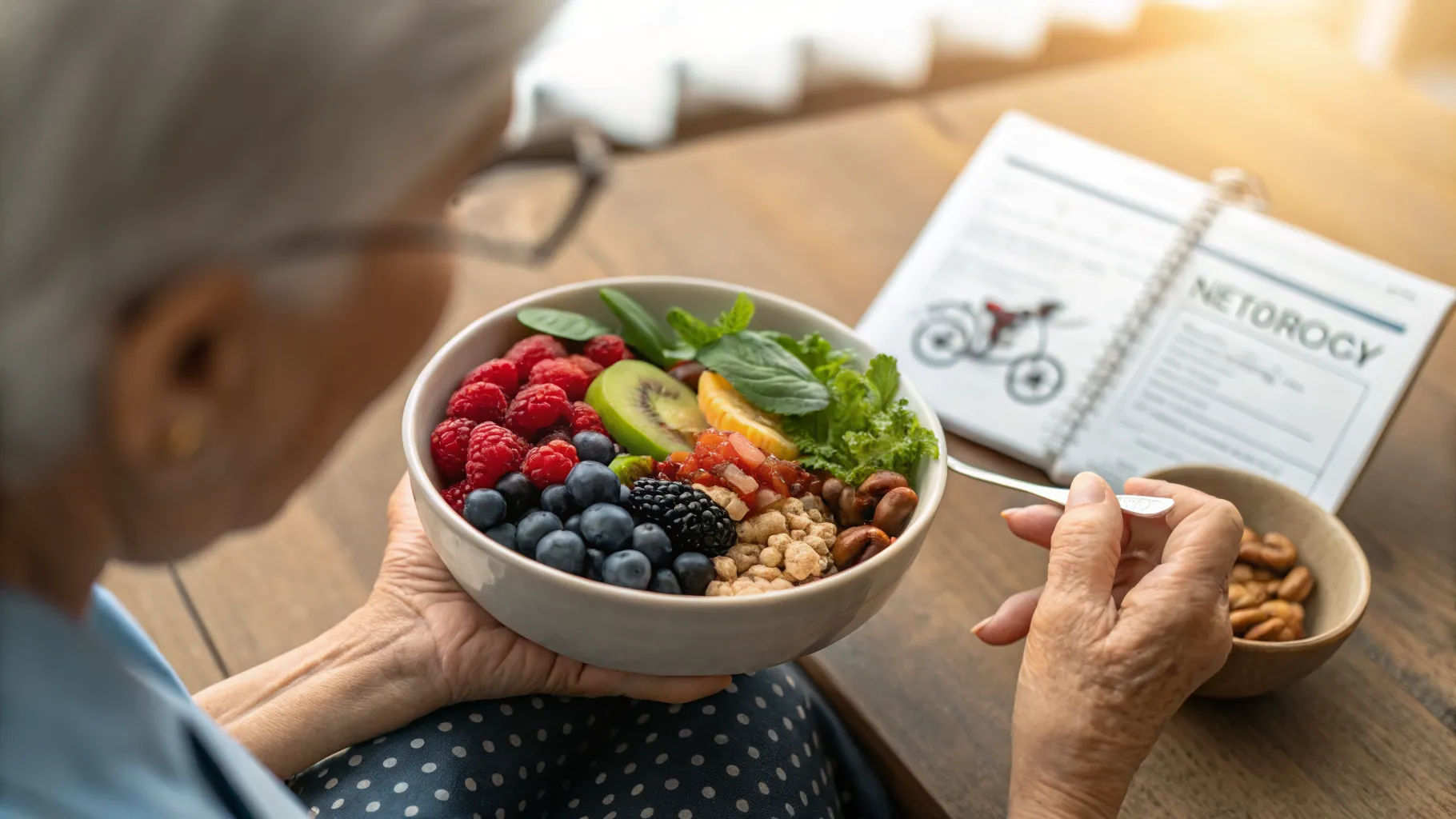
Incorporating nutrient-dense foods is paramount for individuals with Parkinson's disease. A diet for Parkinson's should be rich in fruits and vegetables, especially those high in antioxidants like berries, dark leafy greens, and brightly colored peppers. These foods provide crucial protection against cellular damage. Whole grains such as oats, brown rice, and quinoa offer complex carbohydrates and fiber, which help stabilize blood sugar levels and promote healthy digestion, counteracting common issues like constipation. Lean protein sources, including fish, poultry, and legumes, are essential for muscle maintenance, though their timing in relation to Levodopa medication needs careful consideration to optimize absorption. Healthy fats from avocados, nuts, seeds, and olive oil provide essential fatty acids that support brain health and reduce inflammation, contributing to overall nutritional support and potentially impacting life expectancy.
Foods to Limit or Avoid
Certain foods can exacerbate symptoms or interfere with medications for those with Parkinson's disease. High protein meals, particularly if consumed close to Levodopa doses, can compete with the medication for absorption in the gut, reducing its effectiveness. It's often recommended to space protein intake away from medication times or opt for lower protein meals during the day. Processed foods, sugary snacks, and refined carbohydrates should be limited due to their inflammatory nature and lack of essential nutrients; these can contribute to energy crashes and poor gut health, negatively impacting overall well-being. Alcohol and excessive caffeine intake should also be consumed with caution, as they can interfere with sleep, hydration, and medication effects. Understanding these dietary adjustments is a key part of effective nutritional support for managing disease progression.
Beyond Diet: Lifestyle Factors Affecting Life Expectancy
While a strategic diet for Parkinson's is undeniably critical, overall life expectancy and quality of life are also significantly influenced by a range of other lifestyle factors. Regular physical activity, tailored to individual capabilities, is fundamental. Exercise, including aerobic activity, strength training, and flexibility exercises, helps maintain motor function, balance, and muscle strength, reducing the risk of falls and improving gait. Consistent adherence to prescribed medications is another cornerstone of management; skipping doses or inconsistent timing can lead to symptom fluctuations and reduced efficacy. Mental and emotional well-being are equally important; engaging in stimulating activities, maintaining social connections, and addressing depression or anxiety can significantly impact the journey with this neurological disorder. Adequate sleep, stress management techniques, and avoiding smoking and excessive alcohol consumption all contribute to a holistic approach that can enhance nutritional support and potentially extend life expectancy and improve quality of life for individuals with Parkinson's disease.
Personalized Nutritional Strategies and Medical Oversight
Consult with a Specialist:
Work closely with a neurologist, registered dietitian, or nutritionist experienced in Parkinson's disease. They can help create a personalized diet for Parkinson's that considers individual symptoms, medication schedules, and nutritional needs. This expert guidance is vital for optimizing nutritional support and managing potential interactions that could affect life expectancy.
Prioritize Hydration:
Ensure adequate fluid intake throughout the day. Dehydration can worsen fatigue, dizziness, and constipation, common symptoms of Parkinson's disease. Water, clear broths, and decaffeinated beverages are good choices. Proper hydration supports overall physiological function and can impact disease progression.
Focus on Fiber Intake:
Increase dietary fiber through fruits, vegetables, whole grains, and legumes to combat constipation, a frequent and troublesome non-motor symptom. Fiber aids in regular bowel movements, improving comfort and potentially reducing the systemic burden of the neurological disorder.
Optimize Meal Timing for Medications:
Carefully time protein-rich meals around Levodopa doses to maximize medication absorption and effectiveness. Often, lower protein meals are recommended during the day, with a higher protein meal in the evening, to prevent interference. This strategic approach is key to managing Parkinson's disease symptoms.
Consider Supplements Judiciously:
Discuss any potential vitamin or mineral supplements with your healthcare provider. While some may offer benefits (e.g., Vitamin D, CoQ10), others might interact with medications or have no proven efficacy. A professional can advise on safe and effective nutritional support without compromising treatment for Parkinson's disease.
Frequently Asked Questions
Does a specific diet for Parkinson's really impact life expectancy?
While diet alone cannot cure Parkinson's disease, a well-balanced and tailored nutritional plan can significantly improve symptom management, medication effectiveness, and overall health. By addressing complications like constipation, maintaining muscle mass, and providing vital nutritional support, diet can contribute to a better quality of life and potentially a longer, healthier lifespan, thus positively impacting life expectancy.
What are the most important dietary changes to make for Parkinson's disease?
Key dietary changes include prioritizing whole, unprocessed foods, focusing on anti-inflammatory and antioxidant-rich fruits and vegetables, ensuring adequate fiber and hydration, and strategically timing protein intake around Levodopa medication. Limiting processed sugars, unhealthy fats, and artificial additives is also crucial for managing this neurological disorder and its disease progression.
Can diet help with the non-motor symptoms of Parkinson's disease?
Absolutely. A strategic diet for Parkinson's can effectively alleviate many non-motor symptoms. For instance, high-fiber intake and proper hydration can significantly reduce constipation. Avoiding inflammatory foods may help with fatigue and cognitive 'fog.' Consistent nutritional support contributes to overall well-being, which in turn can improve mood and sleep quality, often impacted by Parkinson's disease.
References
- National Institute of Neurological Disorders and Stroke.
- Parkinson's Foundation.
- Mayo Clinic.
- World Health Organization reports on chronic neurological conditions.
Authored by 24Trendz team