Paid Medication Trials: A Guide for Healthy Participants in Clinical Research
Fast Facts:
- Clinical trials are crucial for new drug approval.
- Participation in paid medication trials can offer financial incentives for healthy participants.
Understanding the Role of Healthy Volunteers in Clinical Research
Paid medication trials play an indispensable role in advancing medical science, allowing researchers to evaluate the safety and efficacy of new drugs before they become widely available. For many individuals, becoming a healthy participant in these clinical research studies offers a unique opportunity to contribute significantly to public health while also receiving participant compensation for their time and effort. These trials are meticulously designed to gather critical data on how new treatments interact with the human body, providing essential insights into pharmacokinetics and pharmacodynamics in a controlled environment, which is vital for safe drug development.
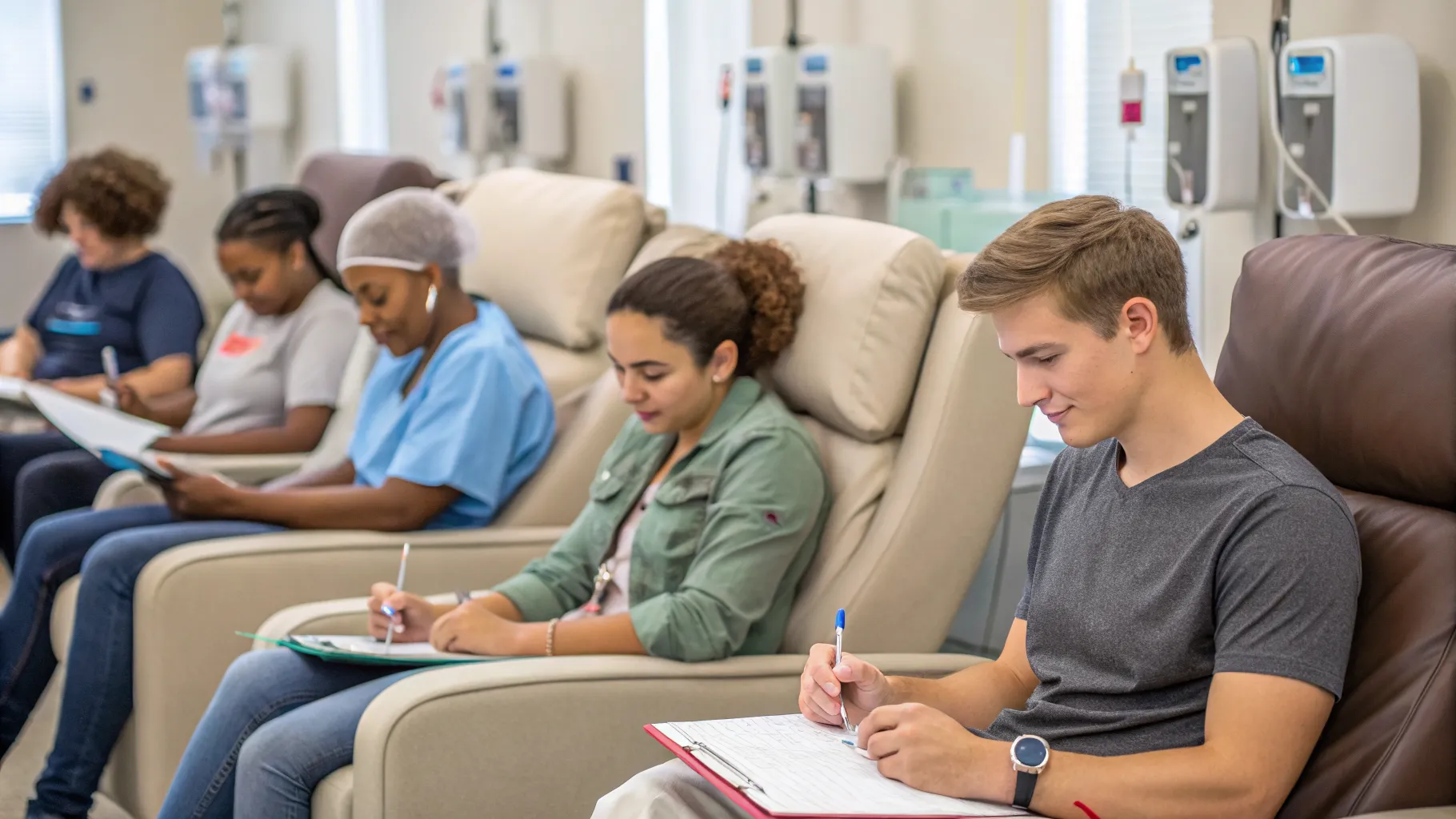
The Essential Role of Healthy Volunteers in Drug Development
Healthy participants are foundational to the initial stages of drug development, typically in Phase I clinical research studies. In these early phases, the primary goal is to assess the drug's safety, determine a safe dosage range, and identify potential side effects in individuals who do not have the condition the drug is intended to treat. By involving healthy individuals, researchers can isolate the drug's effects from any pre-existing health issues, gaining a clearer understanding of its fundamental properties. This stage is critical for establishing a baseline for future studies involving patients. Without these dedicated volunteer trials, the progression to later phases, where the drug is tested in patient populations, would be impossible, effectively halting innovation in life-saving medications. The commitment of healthy participants ensures that new therapies are thoroughly vetted for safety before reaching those who need them most.
Navigating Participant Compensation and Benefits
One of the motivating factors for individuals to enroll in paid medication trials is the participant compensation offered. This compensation is designed to reimburse volunteers for their time, travel expenses, and any inconvenience associated with their participation. The amount of compensation can vary significantly depending on the trial's duration, the invasiveness of procedures, and the number of required visits or overnight stays. Beyond financial remuneration, participating in these clinical research studies offers several intangible benefits. Volunteers gain access to cutting-edge medical research and receive comprehensive medical evaluations from leading healthcare professionals. This can include detailed health screenings, blood tests, and other diagnostic procedures, often at no cost. Furthermore, contributing to scientific advancement provides a sense of purpose and pride, knowing that one's involvement directly facilitates the development of new treatments that could improve countless lives globally. Understanding the scope of compensation and non-financial benefits is key for prospective healthy participants.
Rigorous Safety Protocols and Ethical Considerations
The safety and well-being of healthy participants are paramount in all paid medication trials. Before any trial begins, it undergoes stringent review by Institutional Review Boards (IRBs) or Ethics Committees. These independent bodies comprise medical professionals, ethicists, and community members who ensure that the trial protocol adheres to the highest ethical standards and that participant rights are protected. Throughout the trial, strict safety protocols are in place, including continuous monitoring of participants, regular health assessments, and clear guidelines for reporting and managing any adverse events. Participants are always provided with comprehensive informed consent documents that detail all aspects of the trial, including potential risks, benefits, and their right to withdraw at any time without penalty. This transparency and commitment to ethical conduct ensure that volunteers are fully informed and protected, reinforcing trust in the scientific process of drug development.
Eligibility Criteria and What to Expect in Volunteer Trials
Becoming a healthy participant in volunteer trials involves meeting specific eligibility criteria, which vary from study to study but generally include age, gender, overall health status, and absence of certain medical conditions or medications. These criteria are crucial for ensuring the safety of the participants and the integrity of the study data. What to expect during participation can range from simple outpatient visits for blood samples and physical exams to more intensive inpatient stays for continuous monitoring. The trial process typically begins with a screening phase to confirm eligibility, followed by the actual dosing and data collection, and concludes with a follow-up period. Each step is carefully explained during the informed consent process. Understanding the time commitment, potential discomforts, and specific requirements allows potential healthy participants to make an informed decision about whether a trial is suitable for them. Adherence to the trial schedule and guidelines is essential for the success of the clinical research studies.
Making an Informed Decision: Actionable Advice for Prospective Participants
Deciding to participate in paid medication trials is a significant choice that requires careful consideration. Prospective healthy participants should empower themselves with knowledge to ensure a positive and safe experience. Here is some actionable advice:
- Research Thoroughly: Before committing, research the sponsoring organization, the research facility, and the specific drug being tested. Look for established institutions and credible information.
- Read Consent Forms Carefully: Do not skim the informed consent document. Read every section, especially those outlining potential risks, side effects, and your rights as a participant. Ask for clarification on anything you don't understand.
- Ask Questions: Prepare a list of questions for the research team. Inquire about the trial's duration, the number of visits, specific procedures, potential side effects, emergency protocols, and the exact nature of the participant compensation.
- Seek Second Opinions: If you have any health concerns, consult your primary care physician before enrolling. Discuss the trial details with them to get an unbiased perspective on its suitability for your health profile.
- Understand Your Rights: Be aware that you have the right to withdraw from a clinical research study at any point, for any reason, without jeopardizing your current or future medical care. Your well-being is always the priority.
Frequently Asked Questions
What are paid medication trials for healthy individuals?
Paid medication trials for healthy individuals are clinical research studies where people without a specific disease participate to help evaluate the safety, dosage, and side effects of new drugs. They receive participant compensation for their time and contribution to drug development.
How is participant compensation determined in these studies?
Participant compensation is determined by factors such as the trial's length, the number of required visits, any invasive procedures involved, and the overall time commitment. It's designed to reimburse participants for their effort and any inconvenience.
What are the potential risks of being a healthy participant?
All clinical research studies carry some level of risk, which is thoroughly explained in the informed consent form. Potential risks for healthy participants typically include minor side effects of the investigational drug, discomfort from procedures (like blood draws), and the possibility of unknown adverse reactions. Strict safety protocols are in place to mitigate these risks.
Are all volunteer trials paid?
While many volunteer trials, especially early-phase paid medication trials involving healthy participants, offer compensation, not all do. Some studies, particularly those focusing on public health or observational research, might not provide financial remuneration. Always confirm the compensation details before enrolling.
How do healthy participants contribute to drug development?
Healthy participants are crucial for the early phases of drug development, helping researchers understand how a new drug is absorbed, distributed, metabolized, and excreted by the body (pharmacokinetics) and its initial effects (pharmacodynamics) in a system unaffected by disease. This foundational data is essential for proceeding to trials in patient populations and ensuring public safety.
References
- US Food and Drug Administration (FDA) Guidelines on Clinical Trials.
- National Institutes of Health (NIH) Resources for Clinical Research.
- World Health Organization (WHO) Ethical Guidelines for Biomedical Research.
- ICH Good Clinical Practice (GCP) Guidelines.
- Academic publications on pharmacokinetics and pharmacodynamics in healthy volunteers.
Authored by 24Trendz team