Optimal Daily Foods for Seniors: Maintaining Healthy Cholesterol
Facts:
- Managing cholesterol is increasingly vital for overall well-being in seniors.
- Adopting a fiber-rich diet is a leading trend for healthy cholesterol management among older adults.
Embracing a Heart-Healthy Diet for Optimal Senior Wellness
Maintaining healthy cholesterol levels is a cornerstone of overall well-being, especially as we age. For seniors, dietary choices play an incredibly significant role in preventing cardiovascular issues and supporting long-term vitality. Understanding which daily foods contribute positively to senior nutrition and cholesterol management is not just beneficial, but essential for a proactive approach to health. This guide delves into specific food recommendations designed to help in effectively lowering cholesterol through thoughtful dietary adjustments, emphasizing foods that are both delicious and incredibly beneficial for heart health.
Foundational Food Groups for Lowering Cholesterol
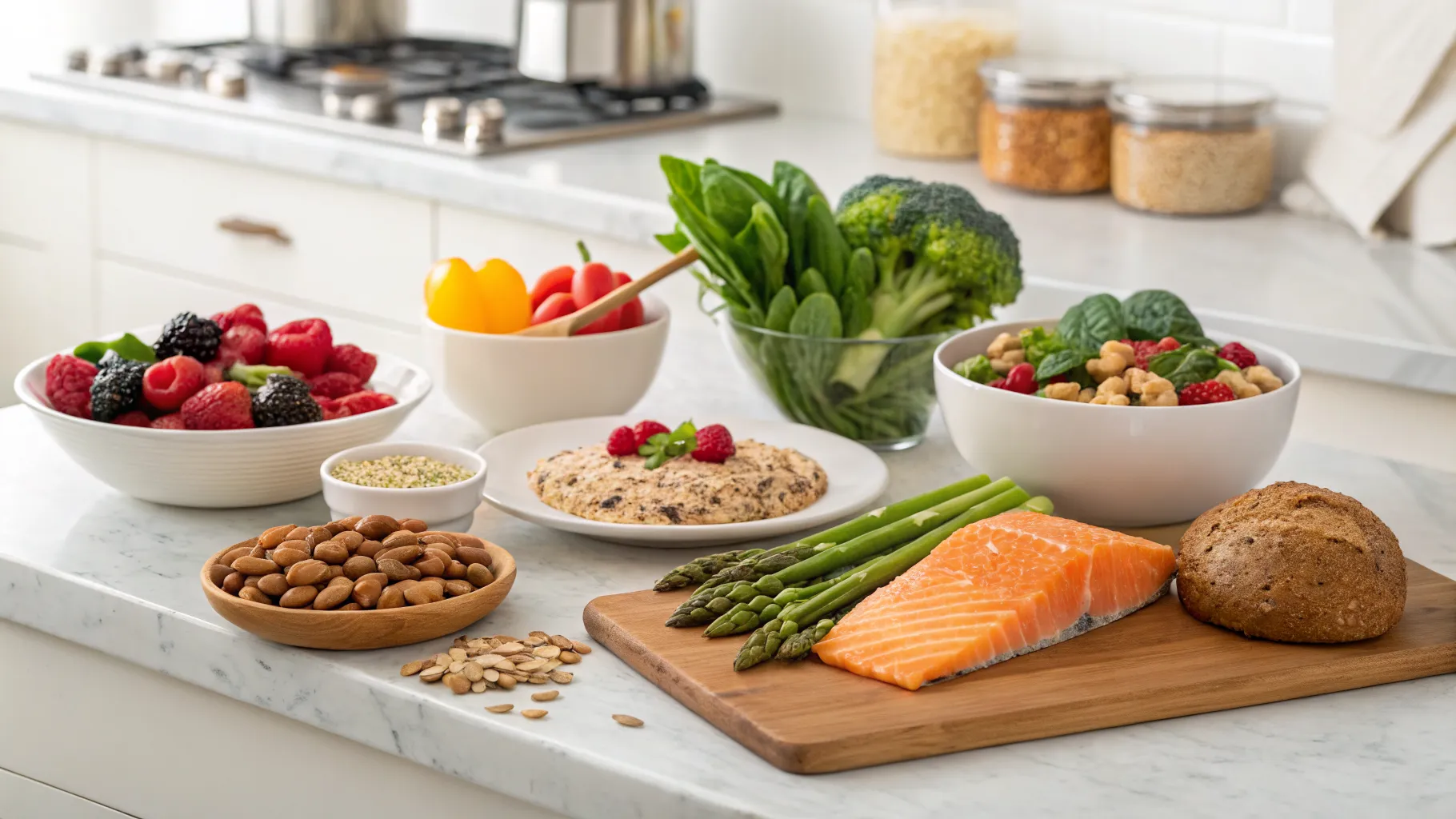
When aiming for lowering cholesterol, focusing on specific food groups can make a significant impact. Integrating these elements into your daily meals ensures a steady intake of compounds known to support cardiovascular health and stabilize lipid profiles. These food groups are not just about reduction but also about overall enhanced senior nutrition, providing essential vitamins, minerals, and antioxidants.
Soluble Fiber Powerhouses: Oats, Barley, and Legumes
Soluble fiber acts like a sponge, binding to cholesterol in the digestive tract and helping to excrete it from the body before it can be absorbed. Foods rich in soluble fiber are absolutely crucial for achieving and maintaining healthy cholesterol. A daily bowl of oatmeal or barley can significantly contribute to this goal. Legumes such as lentils, chickpeas, and black beans are also exceptional sources of soluble fiber, making them ideal additions to soups, salads, and main dishes. Regularly consuming these foods helps to reduce LDL (bad) cholesterol without impacting HDL (good) cholesterol, thus providing a balanced approach to lowering cholesterol.
Omega-3 Rich Fatty Fish: Salmon, Mackerel, and Sardines
Omega-3 fatty acids are renowned for their anti-inflammatory properties and their ability to lower triglycerides, a type of fat in the blood. Incorporating fatty fish like salmon, mackerel, and sardines into your diet a couple of times a week can be a powerful strategy for supporting heart-healthy foods consumption and improving lipid profiles. These fish also offer valuable protein and other nutrients vital for senior nutrition, making them a fantastic choice for comprehensive health benefits beyond just cholesterol management. They contribute to overall cardiovascular resilience and functionality.
Nuts and Seeds: Healthy Fats and Fiber
Almonds, walnuts, chia seeds, and flaxseeds are packed with monounsaturated and polyunsaturated fats, fiber, and plant sterols, all of which contribute positively to healthy cholesterol levels. A handful of nuts as a snack or seeds sprinkled over yogurt or salads can be an easy way to boost your intake of these beneficial compounds. The healthy fats in nuts and seeds help to lower LDL cholesterol while providing sustained energy, which is important for active seniors. Furthermore, they provide crucial antioxidants that protect the body's cells, enhancing overall health and supporting the goals of senior nutrition effectively.
Antioxidant-Rich Fruits and Vegetables: Berries and Leafy Greens
Fruits and vegetables, particularly those vibrant in color like berries, oranges, spinach, and kale, are rich in antioxidants and fiber. These compounds play a vital role in protecting blood vessels from damage and supporting healthy arterial function, indirectly aiding in lowering cholesterol. The high fiber content further assists in cholesterol excretion, similar to soluble fiber. A diverse intake of fruits and vegetables ensures a broad spectrum of nutrients that contribute to robust senior nutrition and overall cardiovascular health, making them essential daily components of a truly heart-healthy foods diet.
Navigating Dietary Fats: The Smart Choices for Seniors
Understanding the types of fats is paramount for lowering cholesterol effectively. Not all fats are created equal, and differentiating between beneficial and detrimental fats is a critical aspect of thoughtful senior nutrition. Saturated and trans fats, commonly found in red meat, processed foods, and some dairy, tend to raise LDL cholesterol, making them less desirable. Conversely, monounsaturated and polyunsaturated fats, abundant in olive oil, avocados, and the nuts and seeds previously mentioned, are considered heart-healthy foods. These fats actively work to reduce LDL cholesterol and can even help increase HDL (good) cholesterol, promoting a healthier lipid profile. Prioritizing these smart fat choices is a key strategy for maintaining a healthy cholesterol level.
Practical Strategies for Incorporating Fiber-Rich Foods Daily
Integrating more fiber into your diet for lowering cholesterol doesn't have to be complicated. Small, consistent changes can lead to significant benefits for senior nutrition and overall heart health. Here are some actionable tips to ensure you're consuming enough fiber-rich diet components daily:
- Start Your Day with Oats: Instead of sugary cereals, opt for a bowl of steel-cut or rolled oats. Add berries, a sprinkle of flaxseeds, or a few walnuts for an extra fiber and omega-3 boost, setting a great foundation for healthy cholesterol management from morning.
- Snack Smart with Fruits and Nuts: Replace processed snacks with whole fruits like apples or pears, which are high in soluble fiber. Pair them with a small handful of almonds or walnuts to add healthy fats and further contribute to a fiber-rich diet.
- Include Legumes in Meals: Make an effort to add lentils, chickpeas, or kidney beans to at least one meal daily. They can be integrated into salads, stews, or made into dips like hummus, providing excellent fiber and protein for senior nutrition and lowering cholesterol.
- Prioritize Whole Grains: Choose whole-grain bread, pasta, and brown rice over their refined counterparts. These choices offer more dietary fiber and complex carbohydrates, contributing to a more sustained energy release and better digestive health, which indirectly supports a healthy cholesterol level.
- Vegetables at Every Meal: Ensure that at least half of your plate at lunch and dinner consists of non-starchy vegetables. Steamed broccoli, roasted asparagus, or a large leafy green salad are all excellent choices that provide ample fiber and vital nutrients, crucial for a fiber-rich diet and overall senior nutrition.
The Role of Plant Sterols and Stanols
Plant sterols and stanols are natural compounds found in small amounts in plants. They are structurally similar to cholesterol and can help block the absorption of dietary cholesterol in the gut, thereby contributing to lowering cholesterol levels. Foods fortified with plant sterols and stanols, such as certain yogurts, margarines, and orange juices, can be a beneficial addition to a cholesterol-lowering diet for seniors. While beneficial, it's important to remember these should complement a broader strategy of eating heart-healthy foods and maintaining a comprehensive fiber-rich diet, rather than replacing it. Discussing their inclusion with a healthcare professional can help tailor this approach to individual needs in senior nutrition.
Hydration and Lifestyle Factors Supporting Cholesterol Management
Beyond dietary choices, several lifestyle factors significantly influence healthy cholesterol levels. Adequate hydration, primarily through water intake, is crucial for metabolic processes and overall circulatory health. While not directly altering cholesterol, proper hydration supports efficient nutrient transport and waste elimination, enhancing the benefits derived from heart-healthy foods. Regular physical activity, even moderate exercises like walking or swimming, can raise HDL (good) cholesterol and reduce LDL (bad) cholesterol and triglycerides. Combined with a robust fiber-rich diet focused on senior nutrition, these lifestyle elements create a holistic approach to maintaining optimal cardiovascular health and effectively lowering cholesterol for seniors.
Frequently Asked Questions
Can certain foods really impact healthy cholesterol levels significantly?
Absolutely. Diet plays a pivotal role in managing cholesterol. Foods rich in soluble fiber, omega-3 fatty acids, and healthy unsaturated fats can significantly impact healthy cholesterol levels by reducing LDL (bad) cholesterol and sometimes increasing HDL (good) cholesterol. Consistent daily consumption of these heart-healthy foods is key to seeing a noticeable difference in lipid profiles over time, making dietary choices a powerful tool in cholesterol management for seniors.
How often should seniors consume heart-healthy foods?
To maintain optimal healthy cholesterol, seniors should aim to consume heart-healthy foods as part of their daily diet. This includes prioritizing fruits, vegetables, whole grains, and lean proteins at every meal. Fatty fish, nuts, and seeds should be incorporated several times a week. Consistency in a fiber-rich diet is more impactful than occasional consumption, ensuring a continuous supply of cholesterol-lowering nutrients and fostering excellent senior nutrition.
Are all fats bad when trying to maintain lowering cholesterol?
No, not all fats are bad; in fact, some are essential and beneficial for lowering cholesterol. Monounsaturated and polyunsaturated fats, found in avocados, olive oil, and certain nuts and seeds, are considered healthy fats because they can help reduce LDL cholesterol. The fats to limit are saturated fats (found in red meat, butter, full-fat dairy) and trans fats (in many processed foods), which tend to raise bad cholesterol. A balanced intake of healthy fats is crucial for a comprehensive approach to senior nutrition and healthy cholesterol management.
References
- Dietary Guidelines for Americans
- American Heart Association Recommendations
- National Institute on Aging Health Information
- Harvard T.H. Chan School of Public Health Nutrition Source
- Cleveland Clinic on Cholesterol Management
Authored by 24Trendz team