Notable Kidney Disease Indicators and Red Flags: Your Guide to Early Detection
Facts:
- Kidney disease affects millions globally.
- Early kidney disease detection is crucial for improved prognosis for those at risk.
Understanding the Critical Signs of Renal Impairment
The kidneys play a vital role in filtering waste products from the blood, maintaining fluid balance, and producing hormones. Recognizing notable kidney disease indicators and red flags is paramount for timely intervention and preventing the progression to more severe conditions. Many people are unaware they have chronic kidney disease (CKD) until it reaches an advanced stage, making awareness of these subtle yet significant kidney disease symptoms extremely important for overall health.
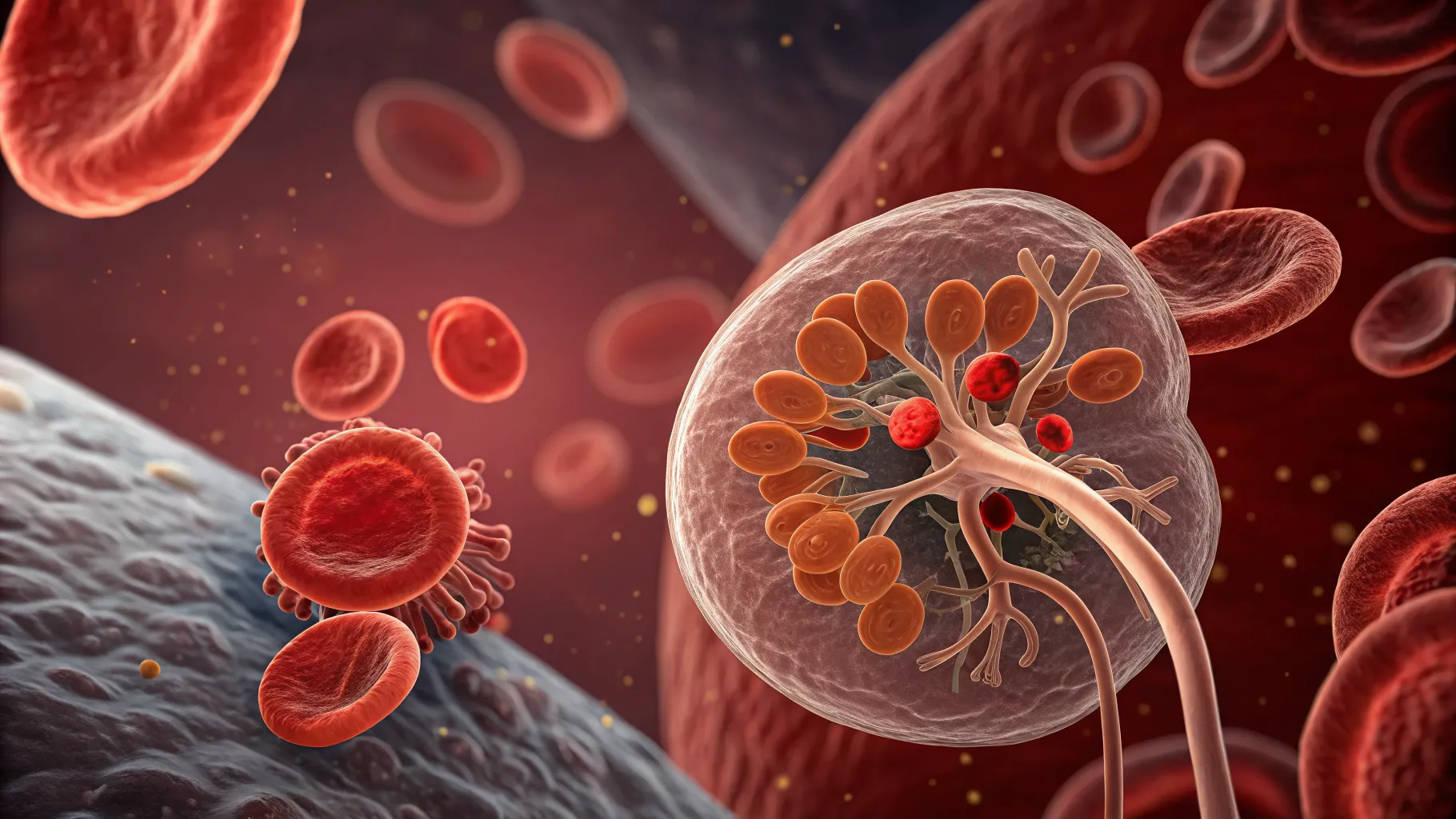
Recognizing Early Kidney Disease Indicators
The insidious nature of kidney disease often means that early stages present with minimal or non-specific symptoms, making early kidney disease detection challenging yet incredibly vital. Many individuals might dismiss initial discomforts as minor ailments, delaying critical medical evaluation. Understanding these subtle shifts in your body’s normal functions can be the first step in identifying potential renal health warnings before the condition becomes advanced. It's not just about looking for dramatic changes, but also recognizing persistent, unexplained minor issues that could point to underlying kidney problems. Paying attention to these often-overlooked signals is crucial for protecting your kidney health.
Persistent Fatigue and Weakness
One of the most common kidney disease symptoms is persistent fatigue and weakness. When kidneys begin to fail, toxins and impurities build up in the blood instead of being filtered out. This accumulation can make you feel tired, weak, and unable to concentrate. Furthermore, diseased kidneys can produce less erythropoietin, a hormone that signals the bone marrow to make red blood cells, leading to anemia. Anemia further contributes to exhaustion and overall weakness, significantly impacting daily activities and quality of life. This profound fatigue is often more than just feeling tired; it's an overwhelming lassitude that doesn't improve with rest.
Swelling in Ankles, Feet, or Hands
Fluid retention, leading to swelling in the lower extremities or hands, is another significant indicator. Impaired kidney function means your kidneys struggle to remove excess sodium and water from your body. This fluid buildup can manifest as noticeable puffiness in your ankles, feet, or hands. This type of swelling, known as edema, can also occur around the eyes, especially in the mornings. While swelling can be caused by various factors, persistent and unexplained edema, particularly accompanied by other renal health warnings, should prompt an investigation into kidney function.
Changes in Urination Patterns
Changes in the frequency, appearance, or sensation during urination are crucial kidney disease symptoms. You might notice an increased need to urinate, especially at night (nocturia), or conversely, a decreased urine output. Your urine may appear foamy or bubbly, which can indicate the presence of protein (proteinuria), a major sign of kidney damage. Blood in the urine (hematuria) is another serious red flag that warrants immediate medical attention. Additionally, experiencing pain or pressure during urination can be indicative of underlying kidney or urinary tract issues, all pointing towards potential kidney dysfunction.
Muscle Cramps and Weakness
Electrolyte imbalances caused by impaired kidney function can lead to muscle cramps and weakness. Healthy kidneys maintain the proper balance of minerals like sodium, potassium, calcium, and phosphorus in your blood. When kidneys are not functioning correctly, these balances can be disrupted, leading to symptoms like muscle cramping, particularly in the legs, and generalized muscle weakness. These symptoms can be quite uncomfortable and significantly interfere with mobility and daily tasks, serving as important kidney failure signs that should not be ignored.
Poor Appetite and Nausea
A reduced appetite, sometimes accompanied by nausea or vomiting, can be an early kidney disease symptom. The buildup of waste products, such as urea, in the blood (a condition called uremia) can cause these gastrointestinal disturbances. These toxins can irritate the digestive system, leading to a metallic taste in the mouth, loss of interest in food, and persistent nausea. Over time, this can lead to unintended weight loss and malnutrition, further weakening the body and signaling the progression of kidney issues. Persistent digestive issues without a clear cause should be considered as potential renal health warnings.
Itchy, Dry Skin
Advanced kidney disease often leads to dry, itchy skin. When kidneys fail, they are unable to remove excess phosphorus from the body effectively. This buildup, combined with imbalances in other minerals like calcium, can lead to mineral and bone disease that causes skin irritation. The itching can be severe and widespread, making sleep difficult and significantly impacting comfort. While dry skin and itching are common, persistent and unexplainable itching, especially alongside other kidney disease symptoms, could be a significant indicator of compromised kidney function.
Shortness of Breath
Shortness of breath is another serious red flag for advanced kidney disease. This can occur for several reasons. Fluid buildup in the body can accumulate in the lungs (pulmonary edema), making it difficult to breathe. Additionally, the anemia that often accompanies kidney failure reduces the oxygen-carrying capacity of the blood, leading to breathlessness. Experiencing unexplained shortness of breath, particularly with minimal exertion, should be considered a critical kidney failure sign that requires urgent medical assessment.
Differentiating Between Common Ailments and Kidney-Specific Symptoms
It is crucial to recognize that many kidney disease symptoms, such as fatigue, swelling, or changes in urination, can also be attributed to other less severe conditions. For instance, temporary fatigue can stem from stress or lack of sleep, and occasional swelling might result from prolonged standing. However, the key differentiator lies in persistence, severity, and the clustering of symptoms. If several of these indicators appear concurrently and persist over time, especially if you have existing risk factors like diabetes or high blood pressure, it elevates the likelihood of kidney involvement. A healthcare professional can perform specific tests to differentiate general malaise from specific renal health warnings, emphasizing the importance of not self-diagnosing but seeking expert medical advice for persistent concerns.
Proactive Steps for Kidney Health and Early Detection
Taking proactive measures is essential for maintaining kidney health and ensuring early kidney disease detection. Lifestyle modifications and regular medical check-ups can significantly reduce your risk and help manage existing conditions effectively.
- Monitor Blood Pressure: High blood pressure is a leading cause of chronic kidney disease (CKD). Regular monitoring and control through diet, exercise, and medication are essential to protect your kidneys from damage.
- Manage Diabetes: Diabetes is another primary risk factor for kidney disease. Strict glucose control, adhering to prescribed medications, and regular monitoring of blood sugar levels can prevent or delay kidney damage.
- Hydrate Appropriately: Drinking enough water helps your kidneys function well by flushing out toxins. However, if you already have kidney issues, your doctor might advise specific fluid restrictions, so always follow medical guidance.
- Avoid Overuse of NSAIDs: Non-steroidal anti-inflammatory drugs (NSAIDs) like ibuprofen can harm kidneys if used excessively over time. Use these medications sparingly and always as directed by a healthcare professional.
- Regular Check-ups: Especially if you have risk factors for kidney disease, routine blood and urine tests can provide early kidney disease detection, allowing for timely intervention and treatment. Consult your doctor about kidney function tests like GFR and albumin-to-creatinine ratio.
Advanced Kidney Failure Signs and Emergency Situations
When kidney function severely declines, the body can experience critical and life-threatening symptoms that require immediate medical attention. These advanced kidney failure signs signify that the kidneys are barely functioning, leading to a dangerous accumulation of waste products and fluid imbalances. Such emergency situations include sudden and severe fluid retention causing acute shortness of breath, extreme fatigue leading to confusion or disorientation, uncontrollable nausea and vomiting, and seizures. These are unequivocal renal health warnings that indicate a medical crisis and necessitate urgent hospital care, potentially involving dialysis or other intensive treatments to stabilize the patient.
Frequently Asked Questions
Can kidney disease symptoms be confused with other conditions?
Yes, many kidney disease symptoms, such as fatigue or swelling, can overlap with other health issues. This is why it's critical to consult a healthcare professional for accurate diagnosis, especially if you have risk factors for chronic kidney disease (CKD). A proper medical evaluation can differentiate between general malaise and specific renal health warnings.
What are the primary risk factors for chronic kidney disease (CKD)?
The main risk factors for chronic kidney disease (CKD) include diabetes, high blood pressure, heart disease, obesity, a family history of kidney failure, and older age. Understanding these risk factors is key for early kidney disease detection and preventive measures.
References
- National Kidney Foundation. Kidney Disease: The Basics.
- Centers for Disease Control and Prevention. Chronic Kidney Disease.
- American Society of Nephrology. Understanding Kidney Health.
- Mayo Clinic. Kidney disease: Symptoms and causes.
Authored by 24Trendz team