Navigating the Market for Military-Surplus Cargo Trailers
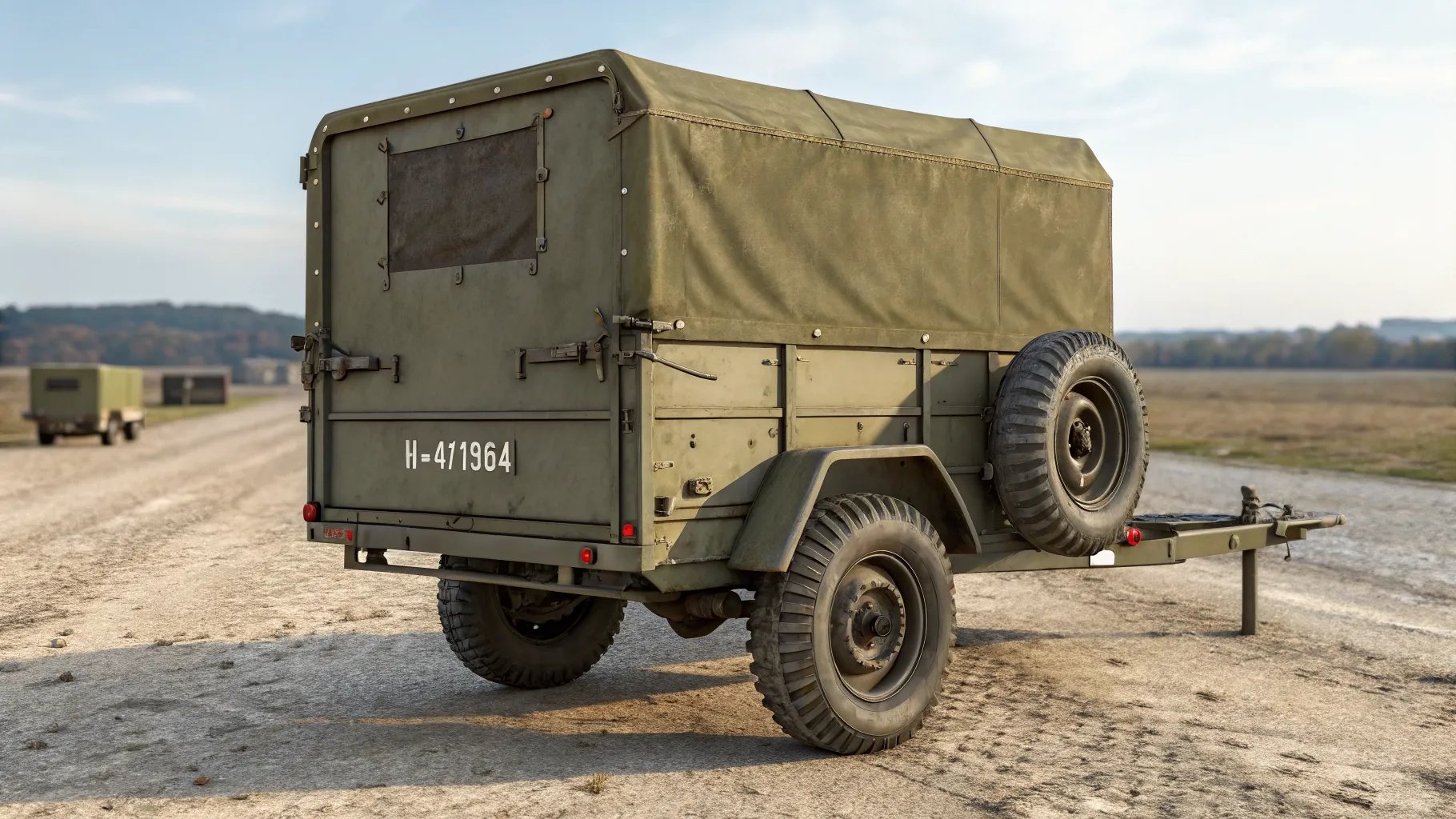
Military-surplus cargo trailers are known for their rugged construction and reliability, having been built to withstand demanding conditions. These trailers, originally designed for military logistics, have found a second life with civilians for everything from off-road adventures to utility hauling and camping setups. Their inherent durability and often simpler designs make them an attractive option for those seeking a heavy-duty trailer that can endure more than a typical consumer model.
Understanding Military-Surplus Cargo Trailers
Military-surplus cargo trailers are distinct from commercial trailers in several key aspects. They are typically overbuilt, featuring heavy-duty frames, robust axles, and suspension systems designed for rough terrain and significant payloads. Their primary purpose in military service was to transport equipment, supplies, and personnel efficiently across diverse environments, from paved roads to unpaved trails.
Many of these trailers are designed with simplicity in mind, making them easier to maintain and repair in the field. This design philosophy translates well to civilian use, as owners often find them straightforward to work on and customize. While they might lack some modern amenities, their core functionality and resilience are often unparalleled by civilian counterparts in similar price ranges.
Common Types of Surplus Trailers
The market for military-surplus trailers features several well-known models, each with specific characteristics and capacities. Identifying the different types can help prospective buyers narrow down their search based on their specific needs.
Some of the more common types include:
- M101 Series (M101A1, M101A2, M101A3): These are some of the most popular light-duty cargo trailers, typically with a 3/4-ton capacity. They are known for their strong construction, independent suspension, and often come with a landing leg and tailgate. They are a favorite for off-road enthusiasts and campers.
- M105 Series (M105A1, M105A2): These are heavier 1 1/2-ton capacity trailers, larger and more robust than the M101s. They feature a similar design but with increased hauling capability, often used for larger equipment or heavier loads.
- M416: A much smaller, lighter 1/4-ton trailer, often towed by Jeeps and similar vehicles during its service. These are highly sought after by vintage vehicle enthusiasts and for light off-road camping setups due to their compact size and nimble nature.
- Specialized Variants: Beyond general cargo, there are also specialized trailers like generator trailers, communications trailers, and water tank trailers that sometimes enter the surplus market. These may require significant modification to suit general cargo needs but offer unique starting points.
Where to Locate Surplus Trailers
Finding military-surplus cargo trailers typically involves looking in specific channels where government assets are liquidated. These are not usually found at conventional trailer dealerships, although some specialized dealers do exist.
Primary sources often include:
- Government Auctions: Websites like GovPlanet, GSA Auctions, and other federal or state surplus programs are major outlets. These platforms regularly list a wide array of military equipment, including trailers, directly from government inventory. Bidding can be competitive, but prices can also be quite favorable.
- Specialized Surplus Dealers: There are businesses that specifically buy military surplus in bulk and then recondition or sell individual items. These dealers often have a more curated selection, might offer some level of inspection or reconditioning, and can sometimes provide titles or assistance with paperwork, which can be a significant advantage.
- Online Marketplaces: General classified sites and automotive forums sometimes feature individual sellers. While these can offer good deals, buyers should exercise extra caution regarding the condition of the trailer and the legitimacy of the seller and paperwork.
Key Inspection Points Before Purchase
Before committing to purchasing a military-surplus cargo trailer, a thorough inspection is crucial. Given their history of heavy use and often prolonged storage, condition can vary widely. A careful examination can prevent unexpected costs and ensure the trailer is safe and functional.
Crucial areas to inspect include:
- Frame and Body: Look for rust, especially on the frame rails, crossmembers, and any structural welds. Check for dents, cracks, or signs of previous repairs that might compromise structural integrity. Surface rust is common, but deep, pitting rust can be problematic.
- Axles and Suspension: Inspect the axles for bends or damage. Examine the springs, shock absorbers, and any independent suspension components for wear, leaks (if applicable), or broken parts. Bounce the trailer to check the suspension's responsiveness.
- Tires and Wheels: Assess the tire tread depth and check for dry rot, cracks, or uneven wear, which could indicate alignment issues. Ensure the wheels are not bent or damaged and that all lug nuts are present. Ask about the spare tire.
- Electrical System: Verify that all lights (tail, brake, turn signals, markers) are functional. Check the wiring harness for damage, exposed wires, or corrosion, as these can lead to electrical failures.
- Brakes: If the trailer has brakes (many military trailers do), check their functionality. This includes inspecting brake lines, drums or calipers, and the emergency brake system if equipped.
- Coupler and Safety Chains: Ensure the hitch coupler is in good working order, securely locks onto a ball, and shows no signs of excessive wear. Verify that the safety chains are present and not rusted through or otherwise compromised.
- Data Plates and Markings: Locate and verify the data plates or VIN equivalent, which are essential for registration. These plates often contain information about the manufacturer, model, and weight ratings.
Legal Aspects and Registration
Registering a military-surplus cargo trailer for road use is a critical step that varies by jurisdiction. Buyers should research their local Department of Motor Vehicles (DMV) or equivalent agency's requirements well in advance. Without proper documentation, a trailer cannot legally be towed on public roads.
Common requirements often include:
- Proof of Ownership: This is paramount. Government auction receipts, bills of sale from a dealer, or a clear chain of ownership are essential. Some older surplus trailers may not come with a traditional title, requiring a bond title, a 'homemade' title application, or a visit to a state trooper for VIN verification.
- VIN Verification: Many states require a physical inspection of the trailer's VIN or serial number to ensure it matches the paperwork and is not stolen.
- Safety Inspection: Depending on the state, trailers may need to pass a safety inspection covering lights, brakes, tires, and structural integrity.
- Weight Registration: Trailers are typically registered based on their gross vehicle weight rating (GVWR) or empty weight. Fees will vary accordingly.
It's important to clarify the exact documentation provided with the trailer before purchase, especially if buying from an individual or an auction that explicitly states
Authored by 24Trendz team