Navigating the Panama Canal: A Guide to Cruise Itineraries
A journey through the Panama Canal represents a unique travel experience, blending historical significance with an impressive display of modern engineering. For many, it's a bucket-list destination, offering a perspective on global trade and natural beauty that few other voyages can match. Cruise lines offer a variety of itineraries designed to showcase this iconic waterway, catering to different preferences and timeframes.
Understanding Panama Canal Cruises
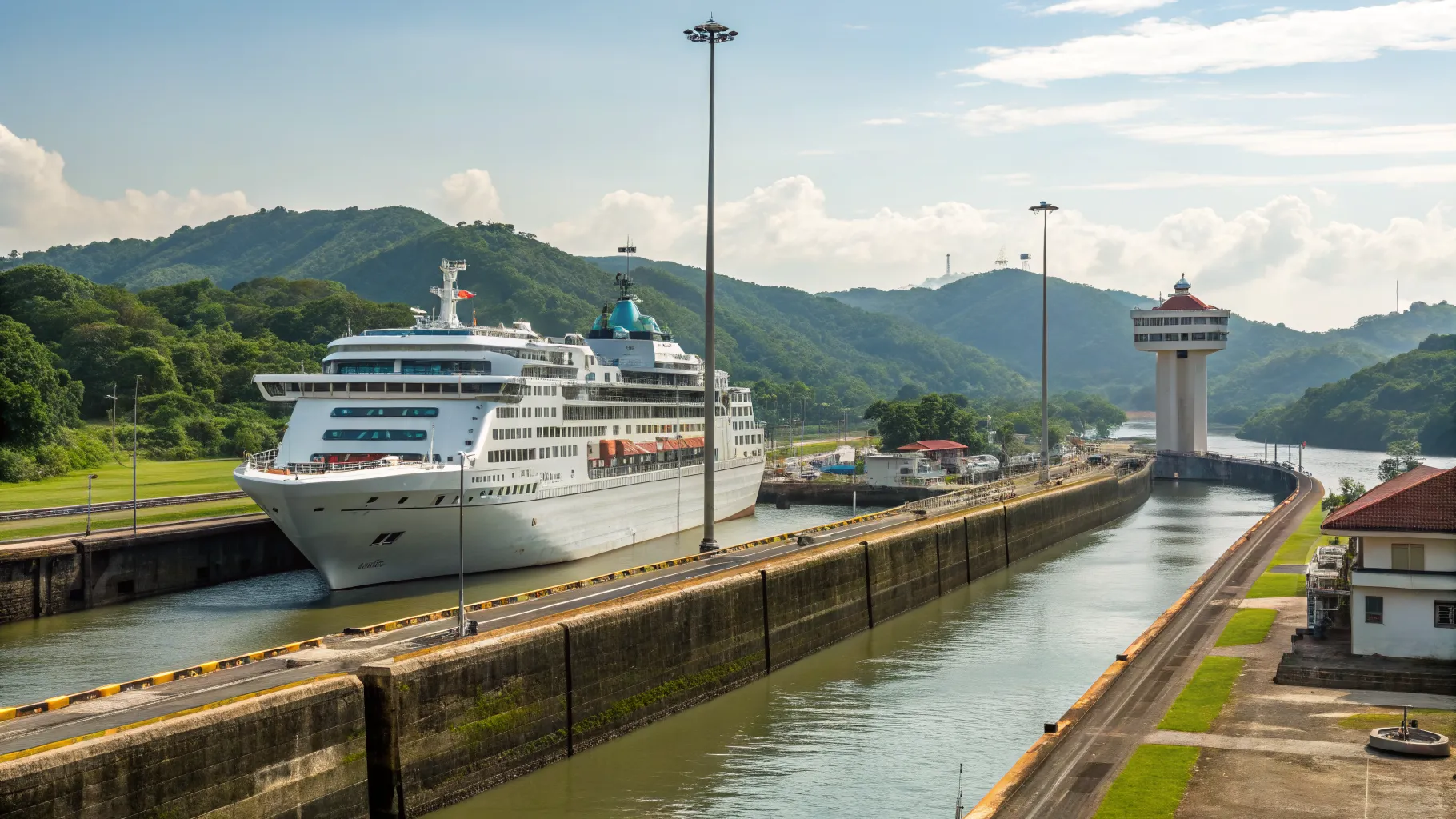
Panama Canal cruises provide passengers with the opportunity to witness firsthand the intricate system of locks that raise and lower ships across the continental divide. This waterway, completed in 1914, drastically shortened sea routes between the Atlantic and Pacific oceans, revolutionizing global shipping. The experience involves more than just transit; it often includes visits to vibrant cities and picturesque islands in the Caribbean, Central America, and along the Mexican Riviera, depending on the itinerary.
These cruises are not merely about transportation; they are an educational journey. Onboard naturalists or historians often provide commentary during the transit, explaining the canal's history, construction, and its impact on international commerce and ecology. Passengers gain insight into the operation of the locks, the significance of Gatun Lake, and the surrounding rainforest ecosystems.
Types of Panama Canal Itineraries
When considering a Panama Canal cruise, you will primarily encounter two main types of itineraries: full transits and partial transits. Each offers a distinct experience of the canal and the surrounding regions, varying in duration and the extent of the canal traversed.
Understanding the difference between these options is crucial for choosing the cruise that best fits your travel expectations. Both offer unique perspectives, but the scope of the canal experience and the destinations visited will differ significantly.
Full Transit Cruises: From Ocean to Ocean
A full transit cruise of the Panama Canal typically involves sailing from one ocean to the other, covering the entire 50-mile length of the waterway. These itineraries are usually longer, often ranging from 10 to 14 days or more, and connect ports on both the Atlantic and Pacific coasts.
Common departure points for full transit cruises include cities like Miami or Fort Lauderdale on the Atlantic side, and Los Angeles or San Diego on the Pacific side. These cruises offer a comprehensive journey through all three sets of locks Gatun, Pedro Miguel, and Miraflores and a complete passage across Gatun Lake.
- Atlantic to Pacific: Often starts in Florida, sails through the Caribbean, enters the canal via the Gatun Locks, crosses Gatun Lake, exits through Pedro Miguel and Miraflores Locks, and continues along the Pacific coast to destinations like Costa Rica or Mexico.
- Pacific to Atlantic: The reverse journey, beginning on the West Coast of the United States or Mexico, transiting the canal, and then cruising through the Caribbean to Florida ports.
- Key Experiences: Witnessing all locks in action, sailing across the expansive Gatun Lake, and often visiting ports in the Southern Caribbean or Central American pacific coast.
Partial Transit Cruises: Exploring the Gatun Lake
Partial transit cruises offer a taste of the Panama Canal experience without completing the full ocean-to-ocean journey. These itineraries typically enter the canal through the Gatun Locks on the Caribbean side, sail across Gatun Lake, and then turn around to exit the canal the same way they entered.
These cruises are generally shorter, often 7 to 10 days, making them a popular choice for those with less time or who prefer a more focused canal experience. They usually depart from and return to Caribbean ports, making them easily combinable with other Caribbean adventures.
- Entry and Exit: Ships enter through the Gatun Locks, traverse a significant portion of Gatun Lake, and then reverse course, exiting back into the Caribbean Sea.
- Focus: Emphasizes the impressive scale of the Gatun Locks and the serene beauty of Gatun Lake, often including opportunities for shore excursions in Panama City or surrounding areas accessible from the Caribbean side.
- Convenience: Ideal for travelers who wish to experience the canal's mechanics and scenery but prefer a shorter cruise duration, often originating from and returning to the same port.
Popular Departure and Arrival Ports
The choice of departure and arrival ports significantly influences the overall itinerary and travel logistics for a Panama Canal cruise. On the Atlantic side, Fort Lauderdale and Miami in Florida are prominent hubs, offering numerous options for pre and post-cruise stays and flights.
For cruises that include a Pacific segment, popular ports on the West Coast of North America include Los Angeles and San Diego in California, or Vancouver in Canada. Some itineraries might also feature ports in Central America, such as Puntarenas in Costa Rica, or even international departures from European cities for longer repositioning cruises.
Best Time to Cruise the Panama Canal
The optimal time to cruise the Panama Canal is generally during the dry season, which runs from mid-December to mid-April. During these months, the weather is typically sunny with lower humidity and less chance of rain, providing clearer views during the canal transit and more comfortable conditions for shore excursions.
Cruising during the wet season, from May to November, is also possible. While there might be more rain showers, these are often brief and intermittent. The lush rainforests surrounding the canal appear particularly vibrant during this period. Travelers should consider personal preference for weather and crowd levels when deciding on their travel dates.
What to Look for When Choosing an Itinerary
Selecting the right Panama Canal cruise itinerary involves considering several factors beyond just full or partial transit. The cruise length, the specific ports of call, and the type of ship can all contribute to your overall experience. Some itineraries focus more on the canal itself, while others integrate more extensive visits to surrounding Caribbean or Pacific destinations.
It is helpful to research the ship's amenities, dining options, and onboard activities, as well as the shore excursions offered at each port. Pay attention to the ship's size; smaller ships might offer a more intimate experience, while larger vessels provide a broader range of facilities. Always check what is included in the fare and any additional costs for excursions or specialty dining.
Authored by 24Trendz team