Navigating Home Renovation Costs: A Comprehensive Guide
Fast Facts:
- Average renovation return on investment is 70%.
- Increased demand for sustainable options for property upgrade investment.
Understanding the Core Drivers of Home Renovation Costs
Embarking on a home renovation project is an exciting endeavor, promising increased property value and enhanced living spaces. However, accurately forecasting home renovation costs is paramount to a successful outcome, preventing financial strain and ensuring your vision comes to life within a realistic renovation budget. This guide delves into the multifaceted factors that influence the overall expenditure, from material choices to labor rates, equipping homeowners with the knowledge to make informed decisions and effectively manage their house remodeling expense.
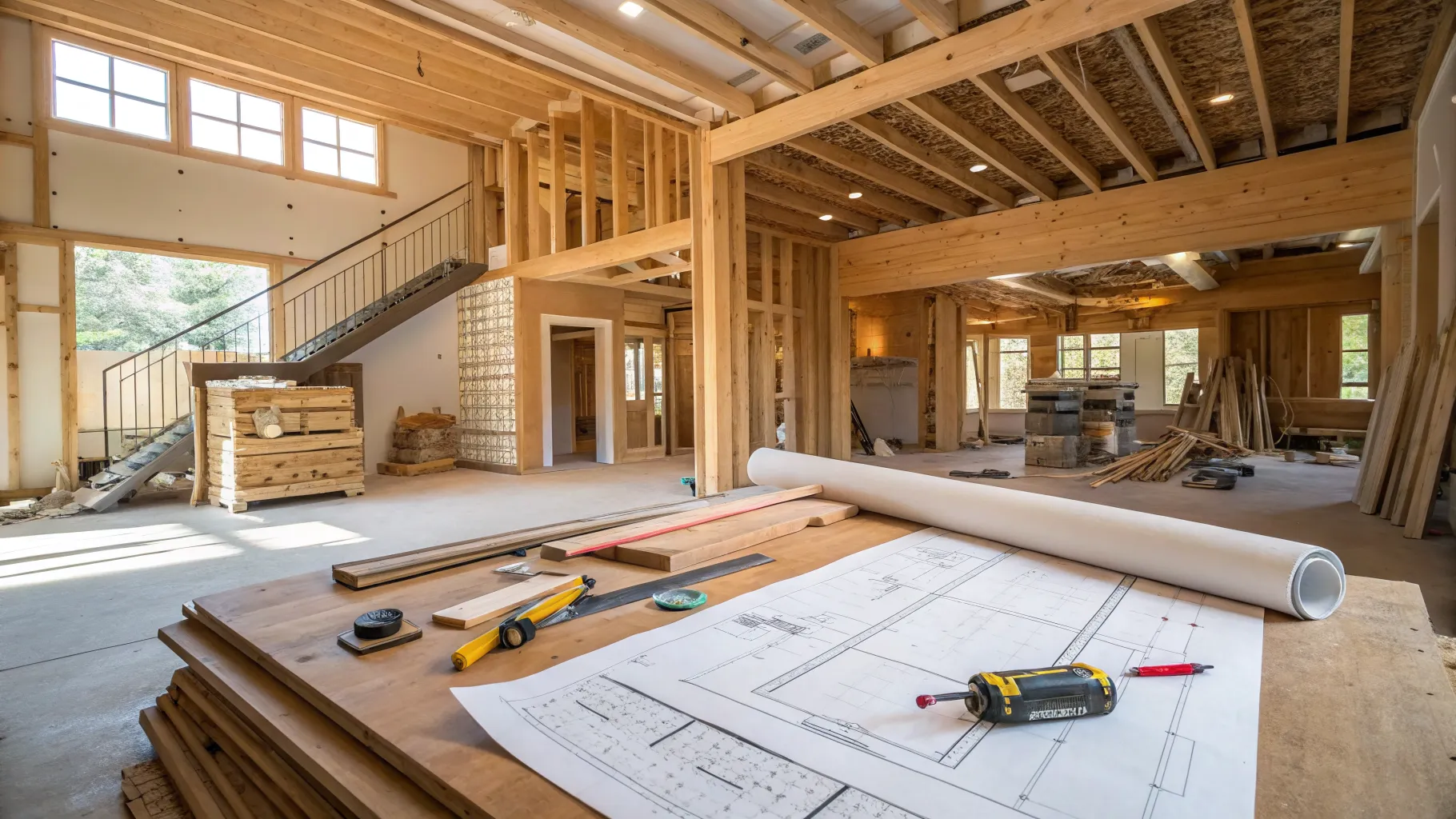
Breaking Down Key Home Renovation Cost Categories
When planning a significant property upgrade, it's crucial to understand where your money will go. The primary categories of home renovation costs typically include labor, materials, permits, and design fees. Labor often constitutes the largest portion, reflecting the skill and time required for tradespeople like carpenters, plumbers, electricians, and painters. Material costs can fluctuate wildly based on quality, brand, and current market prices. For instance, opting for custom cabinetry versus ready-to-assemble units, or high-end natural stone versus laminate countertops, will dramatically impact your overall renovation budget. Permit fees, while sometimes overlooked, are a non-negotiable expense ensuring your project adheres to local building codes and regulations, safeguarding both safety and future resale value. Engaging an architect or interior designer will also add to the initial cost to renovate, though their expertise can prove invaluable in optimizing space and preventing costly mistakes.
Material Selection and Its Impact on Your Budget
The choice of materials is one of the most significant variables in determining your house remodeling expense. For flooring, options range from economical vinyl and laminate to mid-range engineered wood and high-end solid hardwood or natural stone tiles. Each choice not only carries a different price tag per square foot but also varying installation complexities and longevity. Similarly, kitchen and bathroom fixtures, from faucets to showerheads, present a spectrum of price points based on brand reputation, finish, and features. Investing in durable, high-quality materials can initially increase your property upgrade investment, but it often pays off in the long run by reducing maintenance and replacement costs, while simultaneously enhancing the aesthetic appeal and resale value of your home. Always research and compare prices from multiple suppliers to secure the best deals without compromising quality.
Navigating Unexpected Expenses and Contingency Planning
One of the most common pitfalls in home renovation projects is underestimating or failing to account for unforeseen expenses. It is an almost universal truth that any significant cost to renovate will encounter unexpected challenges, whether it's discovering outdated electrical wiring, hidden mold, or structural deficiencies once walls are opened up. These issues can quickly inflate your initial renovation budget. To mitigate this, experts strongly recommend allocating a contingency fund, typically 10-20% of the total project cost. This buffer acts as a financial safety net, allowing you to address these surprises without derailing the entire project or resorting to costly last-minute financing. Regularly communicating with your contractor about potential issues and being prepared for adjustments will help manage the overall home renovation costs more smoothly.
The Value of Professional Labor Versus DIY Savings
Deciding between professional labor and tackling aspects of the renovation yourself is a critical factor in controlling your house remodeling expense. While DIY projects can significantly reduce labor costs, they demand considerable time, skill, and often specialized tools. For critical elements like electrical work, plumbing, or structural changes, hiring licensed professionals is not just advisable but often legally required due to safety regulations and insurance liabilities. Attempting complex tasks without adequate experience can lead to costly mistakes, delays, and even potential hazards, ultimately increasing your overall cost to renovate. For smaller, more cosmetic tasks such as painting, demolition (non-structural), or simple landscaping, DIY can be a viable option to save money, but always weigh your capabilities against the potential risks and time commitment involved in your property upgrade investment.
Strategic Planning for Optimal Renovation Budget Management
Effective management of your home renovation costs begins long before the first hammer swings. A detailed project plan outlining every stage, from design to completion, is essential. Start by defining your priorities: are you looking for a full structural overhaul, or primarily cosmetic updates? Prioritizing allows you to allocate your renovation budget to the areas that will provide the most impact and value. Gathering multiple quotes from various contractors is also crucial; however, don't just choose the lowest bid. Evaluate contractors based on their experience, references, insurance, and clear communication. A slightly higher bid from a reputable contractor might save you money and headaches in the long run. Additionally, consider the long-term energy efficiency and maintenance costs of your choices. For example, investing in energy-efficient windows or insulation might increase your upfront cost to renovate but lead to significant savings on utility bills over time, enhancing your property upgrade investment.
- Define Your Scope Clearly: Before engaging contractors, have a clear understanding of what you want to achieve. Detailed plans and specifications minimize changes during the project, which are notorious for increasing home renovation costs.
- Set a Realistic Budget and Contingency: Allocate a realistic budget for each aspect of the renovation, and always include a 10-20% contingency fund for unexpected issues. This buffer is vital for managing any surprise house remodeling expense.
- Obtain Multiple Bids: Always get at least three detailed quotes from different licensed and insured contractors. Compare not just the price but also the scope of work, timelines, and payment schedules to find the best value for your cost to renovate.
- Prioritize Needs vs. Wants: Distinguish between essential upgrades and desired luxuries. If your renovation budget is tight, focus on structural integrity, functional improvements, and areas that offer the highest return on investment.
- Monitor Progress and Payments: Stay actively involved throughout the renovation. Regularly check progress against the agreed-upon timeline and inspect work before authorizing payments. This ensures quality and helps keep property upgrade investment on track.
Frequently Asked Questions
How can I reduce my home renovation costs without sacrificing quality?
To reduce home renovation costs, consider repurposing existing elements, choosing mid-range materials strategically, and tackling some cosmetic DIY tasks. Focus on key areas that offer the highest return on investment, such as kitchens and bathrooms, and make smart material choices that balance durability with cost-effectiveness. Furthermore, being flexible with your timeline can sometimes allow for better pricing from contractors during their off-peak seasons.
What is a reasonable renovation budget for a full house remodel?
A reasonable renovation budget for a full house remodel varies significantly based on location, scope, and desired finishes. Generally, homeowners can expect to spend anywhere from $40,000 for minor updates to over $200,000 for extensive structural changes and high-end finishes. It's crucial to get detailed quotes from professionals in your area to establish a realistic cost to renovate tailored to your specific project and region.
Are permits always required for a property upgrade investment?
Permits are often required for any significant property upgrade investment that involves structural changes, electrical work, plumbing, or additions to your home's footprint. Minor cosmetic changes like painting or replacing flooring typically do not require permits. Always check with your local municipal building department to understand the specific requirements for your project. Failing to obtain necessary permits can lead to fines, delays, and potentially having to redo work.
References
- National Association of the Remodeling Industry (NARI)
- Remodeling Magazine's Cost vs. Value Report
- Local Building Codes and Regulations
- Financial Planning for Homeowners by various reputable sources
Authored by 24Trendz team