Navigating Assisted Living Costs in the United States: A Comprehensive Guide to Senior Care Expenses
Facts:
- Annual median assisted living costs can exceed $54,000.
- Prices for senior care expenses are projected to rise significantly for Baby Boomers.
Understanding the Diverse Landscape of Assisted Living Costs
Navigating the financial aspects of senior housing can be a complex journey, especially when considering assisted living costs in the United States. These significant senior care expenses vary widely based on location, services offered, and the level of care required, making informed decision-making crucial for families planning for long-term care. This comprehensive guide aims to demystify the various factors influencing the average cost of assisted living and explore strategies for managing these substantial financial commitments.
Key Factors Influencing Assisted Living Costs
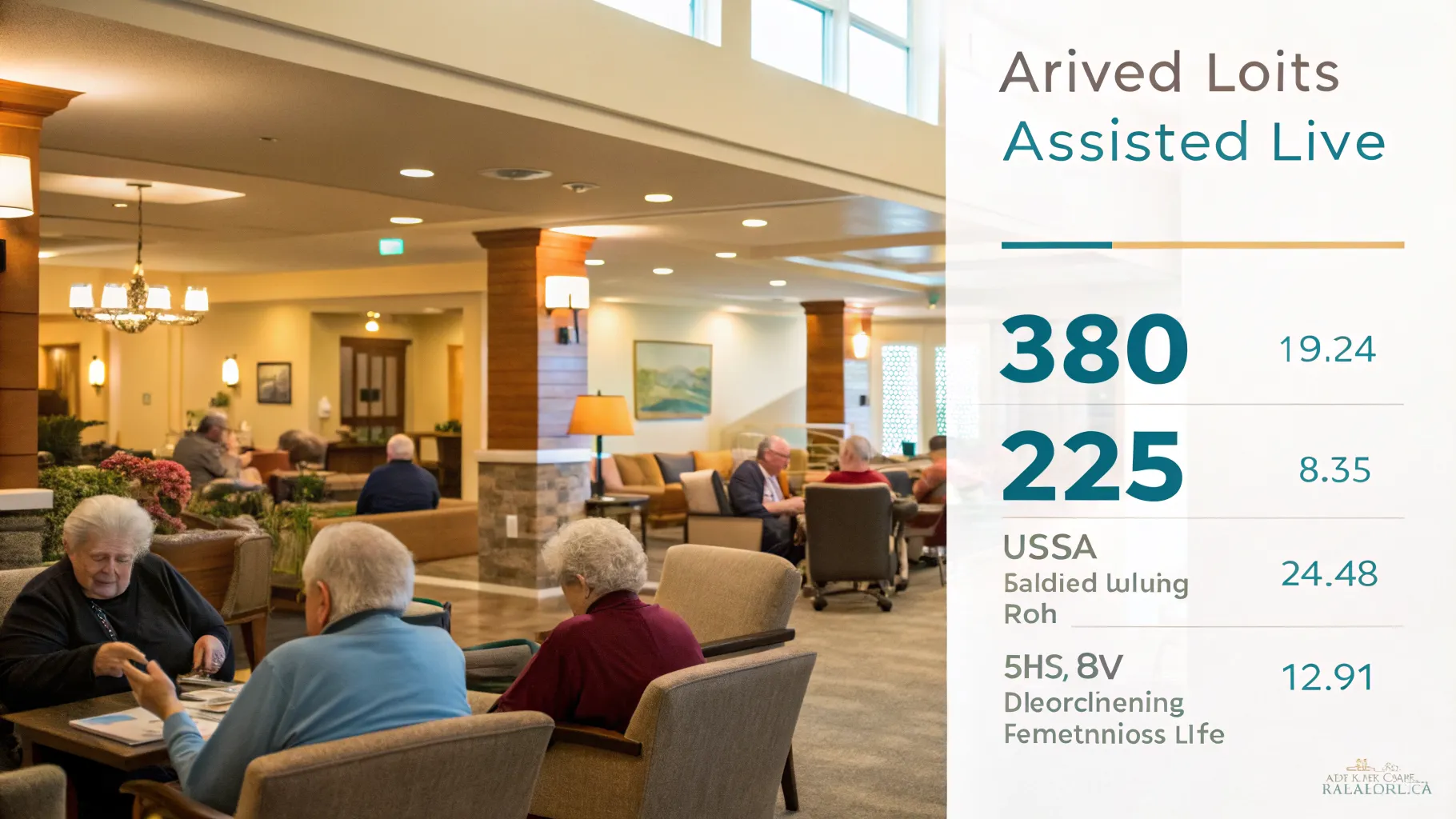
The total assisted living costs are not uniform across the nation, nor are they static. A multitude of elements contribute to the final price tag, ranging from geographical location and the specific type of facility to the array of services provided and the individual care needs of residents. Understanding these drivers is essential for families seeking to budget effectively and find suitable long-term care solutions without overwhelming their finances.
Geographical Variations and Regional Differences
Location plays an enormous role in determining the average cost of assisted living. States with a higher cost of living, like Hawaii, Massachusetts, and Alaska, typically exhibit significantly higher assisted living costs than states in the South or Midwest. This disparity is often tied to local real estate values, labor costs for caregivers, and the overall demand for senior housing in a particular area, directly impacting overall senior care expenses.
Service Tiers and Personalized Care Plans
Assisted living facilities typically offer tiered service plans, where the level of care directly correlates with the monthly cost. A resident requiring minimal assistance with daily activities will incur lower assisted living costs than someone needing extensive support for mobility, medication management, or specialized memory care. These personalized care plans ensure that residents only pay for the services they truly need, yet they are a primary variable in overall elderly care funding.
Breakdown of Long-Term Care Services Included
Beyond room and board, assisted living costs encompass a wide range of services designed to enhance a resident's quality of life and provide necessary support. These foundational services are integral to the assisted living model, providing peace of mind to families and promoting independence for residents while managing senior care expenses.
Daily Living Assistance and Support
A significant portion of long-term care within assisted living is dedicated to assistance with Activities of Daily Living (ADLs) such as bathing, dressing, grooming, toileting, and eating. Facilities provide trained staff to help residents maintain their personal hygiene and independence. Additionally, services like housekeeping, laundry, and scheduled transportation for appointments or outings are commonly included, forming a core part of the assisted living costs.
Medical Oversight and Health Management
While not skilled nursing facilities, assisted living communities often provide a level of medical oversight. This can include medication management, coordination with healthcare providers, and regular wellness checks. Some facilities have on-site nurses or partnerships with visiting physicians, which, while beneficial, can influence the overall average cost of assisted living and contribute to the comprehensive nature of elderly care funding.
Strategies for Funding Elderly Care Funding
The substantial nature of assisted living costs necessitates careful financial planning. Fortunately, various avenues exist to help families manage these significant senior care expenses, from personal assets to insurance and government programs, each with its own criteria and benefits in the landscape of long-term care.
Private Pay Options and Savings
For many families, private funds are the primary means of covering assisted living costs. This can include personal savings, retirement accounts (401k, IRAs), pensions, and the sale of assets like a family home. Reverse mortgages can also be an option, allowing seniors to convert home equity into income without selling their residence, thereby assisting with elderly care funding.
Insurance and Government Programs
Long-term care insurance, if purchased in advance, can significantly offset assisted living costs. Additionally, certain government programs like Medicaid waivers may provide assistance for eligible low-income seniors, though eligibility requirements are strict and vary by state. Veterans and their spouses may also be entitled to benefits through the Aid and Attendance program, which can help cover a portion of senior care expenses.
Comparing Assisted Living Costs with Other Senior Housing Options
When considering long-term care, it's crucial to compare assisted living costs with those of other senior housing solutions. While assisted living costs are substantial, they often fall below the price point of skilled nursing facilities, offering a more independent yet supportive environment. In-home care can be cost-effective for lower needs but escalates quickly with increasing demand for round-the-clock supervision, making assisted living a balanced solution for many. Independent living, conversely, typically has lower monthly fees but does not include personal care services, shifting more of those potential senior care expenses back to the individual.
The Financial Impact of Rising Senior Care Expenses
The trend of increasing assisted living costs is a significant concern for families and policymakers alike. Inflation, rising labor costs for skilled caregivers, and increased demand from an aging population all contribute to this upward trajectory. Planning for future increases in the average cost of assisted living is paramount, requiring families to consider not just current expenditures but also potential growth in senior care expenses over the duration of a loved one's stay in long-term care. Proactive financial modeling and diversification of funding sources become critical components of a sustainable elderly care funding strategy.
Making Informed Decisions About Your Long-Term Care Journey
- Thoroughly research facilities and compare their assisted living costs structures, ensuring a clear understanding of what is included versus additional charges.
- Consult with a financial advisor specializing in elderly care funding to explore all available resources, including long-term care insurance, annuities, and government aid programs.
- Visit multiple assisted living communities to assess the quality of care, resident engagement, and overall environment, ensuring it aligns with your loved one's needs and preferences.
- Review contracts meticulously, paying close attention to termination clauses, rate increase policies, and any potential hidden fees that could impact total senior care expenses.
- Consider the potential for future care needs and how these might influence the average cost of assisted living over time, planning for flexibility in your budget.
Frequently Asked Questions
What is the average cost of assisted living in the US?
The average cost of assisted living in the United States varies significantly by state and facility, typically ranging from $4,500 to $7,500 per month, though some areas or premium facilities can be considerably higher. These assisted living costs usually cover room, meals, personal care, and activities, but additional services may incur extra charges.
How can families afford high senior care expenses?
Families often utilize a combination of funding sources to cover senior care expenses. This can include private savings, pensions, long-term care insurance, reverse mortgages, and certain government programs like Medicaid waivers or Veterans' benefits, which can help offset some of the assisted living costs.
Does Medicare cover assisted living costs?
Generally, Medicare does not cover the non-medical custodial care components of assisted living costs, such as room and board or assistance with daily living activities. It may cover short-term skilled nursing care or specific medical services received in an assisted living facility, but it is not a primary source for ongoing long-term care.
What factors contribute most to the variation in assisted living costs?
Several key factors contribute to the wide variation in assisted living costs, including geographical location (with urban areas often being more expensive), the type and size of the apartment, the level of care services required (e.g., memory care can be higher), and the amenities and programs offered by the facility. Premium facilities with extensive services and luxurious settings will naturally have higher senior care expenses.
References
- National Council on Aging - Understanding Senior Living Costs
- Genworth Cost of Care Survey
- AARP - Paying for Long-Term Care
- American Health Care Association - Assisted Living Data
Authored by 24Trendz team