Maximizing Your Earnings: Understanding Paid Sleep Research Studies for Healthy Participants
Facts:
- Sleep deprivation costs billions in lost productivity annually.
- Demand for healthy volunteers in sleep research is increasing for sleep science advancements.
Understanding Compensation and Eligibility in Paid Sleep Research Studies
Participating in paid sleep research studies offers a unique opportunity for individuals to contribute to vital scientific progress while receiving compensation. For healthy participants, these studies are crucial for establishing baseline data and understanding the intricate mechanisms of sleep without confounding factors. This comprehensive guide explores the various aspects of engaging in these valuable clinical sleep trials, from detailed eligibility criteria to the types of compensation you can expect, ensuring you are well-informed before beginning your journey into sleep research participation and contributing to sleep science advancements.
Types of Paid Sleep Research Studies for Healthy Participants
Paid sleep research studies encompass a diverse range of investigations, each designed to answer specific questions about human sleep and its impact on health. For healthy participants, these studies are vital as they provide control data, allowing researchers to differentiate normal sleep physiology from various disorders. Understanding the different types can help you find a study that aligns with your comfort level and schedule, making your sleep research participation effective and rewarding.
Polysomnography (PSG) Studies
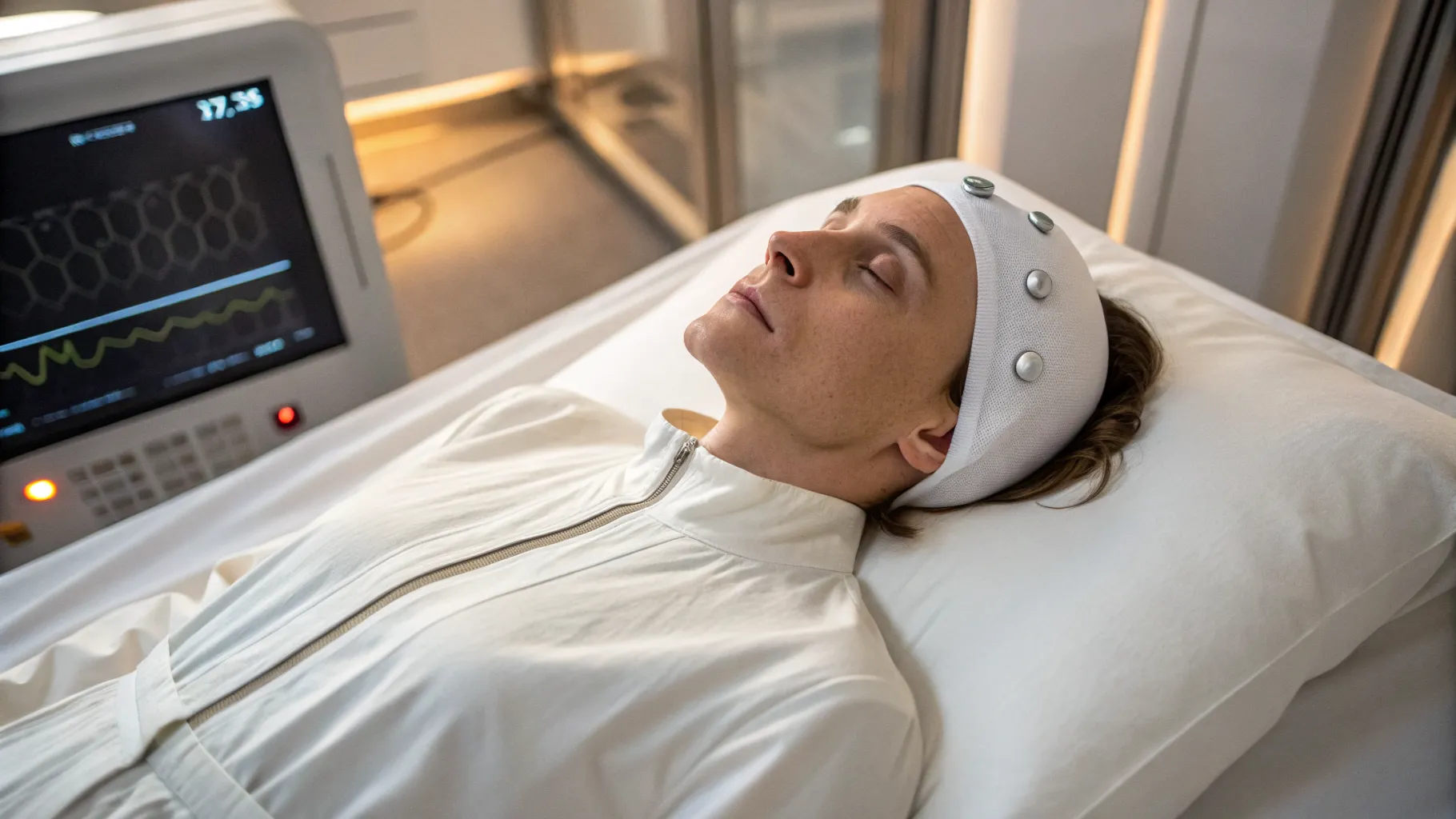
Polysomnography, often referred to as a sleep study, is one of the most common types of paid sleep studies. For healthy participants, PSG studies involve monitoring various physiological signals overnight, including brain waves (EEG), eye movements (EOG), muscle activity (EMG), heart rhythm (ECG), and breathing patterns. These studies are fundamental for establishing normative sleep patterns, which are essential benchmarks for comparative sleep disorder research and furthering sleep science advancements. Participants stay overnight in a comfortable lab setting, contributing directly to our understanding of healthy sleep architecture.
Circadian Rhythm Studies
These specialized clinical sleep trials investigate the body's natural 24-hour cycle, or circadian rhythm, and its influence on sleep-wake patterns. Often, healthy volunteers are asked to live in controlled environments with minimal external time cues (e.g., constant dim light, scheduled meals) for several days or weeks. This allows researchers to observe the intrinsic rhythm of their sleep and other biological functions without environmental interference. The compensation for sleep studies involving such isolation can be substantial due to the extended commitment required from healthy participants.
Pharmacological Sleep Trials
Pharmaceutical companies and research institutions conduct these paid sleep research studies to test the safety and efficacy of new sleep-related medications or compounds. Healthy participants are crucial in these trials, often serving as control groups or helping to establish baseline drug effects in individuals without pre-existing sleep conditions. This ensures that any observed effects can be attributed directly to the medication rather than an interaction with existing sleep disorders, advancing sleep science advancements responsibly.
Sleep Deprivation Protocols
While challenging, sleep deprivation studies are critical for understanding the cognitive and physiological impacts of insufficient sleep. In these paid sleep studies, healthy participants are carefully monitored during periods of enforced wakefulness, followed by recovery sleep. Researchers assess performance on various tasks, mood, and biological markers. The controlled environment and ethical considerations ensure participant safety and well-being, with appropriate sleep studies compensation for the inconvenience.
Daytime Sleepiness Assessments
Studies involving Multiple Sleep Latency Tests (MSLT) or Maintenance of Wakefulness Tests (MWT) are often part of broader paid sleep research studies. These tests measure how quickly a person falls asleep in a quiet environment (MSLT) or how long they can stay awake (MWT) during the day. For healthy participants, these assessments provide essential baseline data on normal alertness levels and response to controlled sleep opportunities, contributing directly to sleep science advancements.
Eligibility and Screening for Healthy Volunteers
The stringent eligibility criteria for paid sleep research studies ensure the scientific integrity of the data collected, especially when focusing on healthy participants. Researchers need to confirm that volunteers are truly healthy and do not have underlying conditions that could confound the study results. The screening process typically involves a detailed medical history review, physical examination, blood tests, and often a preliminary sleep questionnaire or a baseline sleep study to rule out undiagnosed sleep disorders. This meticulous approach is vital for the validity of clinical sleep trials and the accuracy of sleep science advancements.
The distinction between screening healthy volunteers and those with diagnosed conditions for sleep disorder research is paramount. For healthy participants, the aim is to ensure the absence of any health issues that might mimic or interfere with normal sleep physiology. This contrasts with studies focusing on specific disorders, where participants must meet precise diagnostic criteria. Therefore, accurate self-reporting and transparency about one's medical and sleep history are crucial for any individual considering paid sleep research studies. Misrepresenting health status can not only invalidate research but also pose potential risks to the participant.
Compensation Structures for Sleep Research Participation
The financial incentives offered for sleep research participation are a significant factor for many individuals. Compensation for sleep studies is designed to reimburse participants for their time, effort, and any inconvenience caused by the study protocol. This compensation can vary widely depending on several factors, including the study's duration, invasiveness, complexity, and the specific institution conducting the research. Typically, participants receive payment per overnight stay or per day of participation, with additional bonuses for completing the entire study.
For complex or long-term paid sleep research studies, particularly those involving extended stays in a controlled environment or specific dietary restrictions, the overall sleep studies compensation can be substantial. Researchers often also factor in travel expenses or provide per diems for meals to ensure that healthy participants are not burdened financially. It is imperative to fully understand the payment schedule and any conditions for receiving compensation, such as full study completion, before committing to clinical sleep trials. Transparency regarding payment is always provided in the informed consent process, ensuring a fair agreement for both the participants and the advancement of sleep science advancements.
Preparing for Your Paid Sleep Study Experience
Once you've been accepted as a healthy participant for a paid sleep research study, proper preparation can significantly enhance your experience and contribute to successful data collection. Being well-prepared ensures that you can comply with the study protocol effectively and comfortably.
Consult Your Physician: Even as healthy participants, it's wise to inform your primary care physician about your decision to participate in paid sleep research studies. They can offer advice specific to your health profile and confirm that there are no underlying conditions that might unexpectedly impact your participation or the study's integrity.
Understand the Protocol Thoroughly: Before commencing any sleep research participation, carefully read and comprehend all aspects of the study protocol. This includes understanding the schedule, any dietary restrictions, medication guidelines (even for over-the-counter drugs), and the procedures that will be performed. Clarify any doubts with the research staff to ensure full compliance.
Maintain Regular Habits Pre-Study: For several days leading up to your clinical sleep trials, try to maintain your regular sleep-wake schedule and avoid significant changes to your diet, caffeine intake, or exercise routine. This helps researchers capture your typical physiological baseline, which is critical for the validity of paid sleep studies.
Pack Essentials for Comfort: If your paid sleep research studies involve an overnight or extended stay, pack comfortable clothing, personal toiletries, reading material, or other items that help you relax. While labs provide necessary amenities, familiar items can make the environment feel more like home, facilitating natural sleep and better data collection for sleep science advancements.
Frequently Asked Questions
How much can I earn from paid sleep studies?
Compensation for paid sleep research studies varies significantly based on factors such as study duration, complexity, and location. Short-term, non-invasive studies might offer a few hundred dollars, while longer, more intensive studies, especially those involving overnight stays or specific interventions, can pay several thousand dollars. Always clarify the exact sleep studies compensation structure during the initial screening process.
Are paid sleep research studies safe for healthy participants?
Yes, all legitimate paid sleep research studies involving healthy participants undergo rigorous ethical review by Institutional Review Boards (IRBs) or Ethics Committees. Researchers prioritize participant safety and well-being. You will receive detailed information about potential risks and benefits, and you have the right to withdraw at any point, ensuring a safe sleep research participation experience.
How long do these clinical sleep trials typically last?
The duration of clinical sleep trials can range widely, from a single overnight stay to several weeks or even months, especially for complex circadian rhythm or pharmacological studies. The specific commitment required for each study will be clearly outlined during the recruitment and consent process, allowing healthy volunteers to choose studies that fit their schedule for sleep studies compensation.
What are the common eligibility criteria for healthy volunteers in sleep research?
General eligibility for healthy volunteers often includes being within a specific age range (e.g., 18-50), having no pre-existing medical conditions, being a non-smoker, and crucially, having no history of sleep disorders or psychiatric conditions. Specific studies may have additional criteria, and a thorough medical and sleep history screening will be conducted to confirm suitability for paid sleep research studies.
References
- National Sleep Foundation
- American Academy of Sleep Medicine
- Journal of Clinical Sleep Medicine
- Centers for Disease Control and Prevention - Sleep and Sleep Disorders
- Academic research publications on circadian biology
Authored by 24Trendz team