Understanding Lung Nodule Removal: A Comprehensive Procedure Overview
Facts:
- Early detection improves outcomes for lung nodules.
- Minimally invasive techniques are a growing trend for lung nodule removal.
Navigating the Landscape of Lung Nodule Removal Procedures
Discovering a lung nodule can be a source of anxiety, prompting the need for clear information regarding potential medical interventions. This comprehensive overview delves into the various approaches to lung nodule removal, providing a detailed understanding of what patients can expect. From initial diagnosis to advanced surgical techniques, we explore the procedures designed to safely and effectively address these pulmonary findings, emphasizing the importance of informed decision-making in your healthcare journey. Understanding pulmonary nodule surgery options is crucial for effective management.
Understanding Lung Nodules and the Need for Intervention
A lung nodule is a small growth or spot on the lung, often detected incidentally during imaging tests for other conditions. While most lung nodules are benign, some can be cancerous or pre-cancerous, necessitating a thorough evaluation. The decision for lung nodule removal is typically made after a period of watchful waiting, serial imaging to assess growth, or if characteristics suggest a higher risk of malignancy. Factors such as size, shape, growth rate, and patient history significantly influence whether pulmonary nodule surgery is recommended. Understanding the pathology and behavior of the nodule is the first critical step in determining the appropriate treatment path, ensuring that any intervention is both necessary and proportionate to the potential risk.
Diagnostic Pathway Leading to Surgery
Before any discussion of lung nodule removal, a comprehensive diagnostic pathway is followed. This typically includes advanced imaging like high-resolution CT scans, PET scans to identify metabolic activity, and sometimes biopsies (transthoracic needle biopsy or bronchoscopy). The multidisciplinary team, including pulmonologists, radiologists, and thoracic surgeons, meticulously reviews all available data to confirm the nature of the nodule and its location. This detailed assessment is paramount in planning the surgical approach, especially when considering minimally invasive lung surgery options. Accurate staging and localization are vital to ensure that the subsequent pulmonary nodule surgery is as effective and targeted as possible, minimizing unnecessary risks and maximizing successful outcomes for patients.
Minimally Invasive Approaches to Lung Nodule Removal
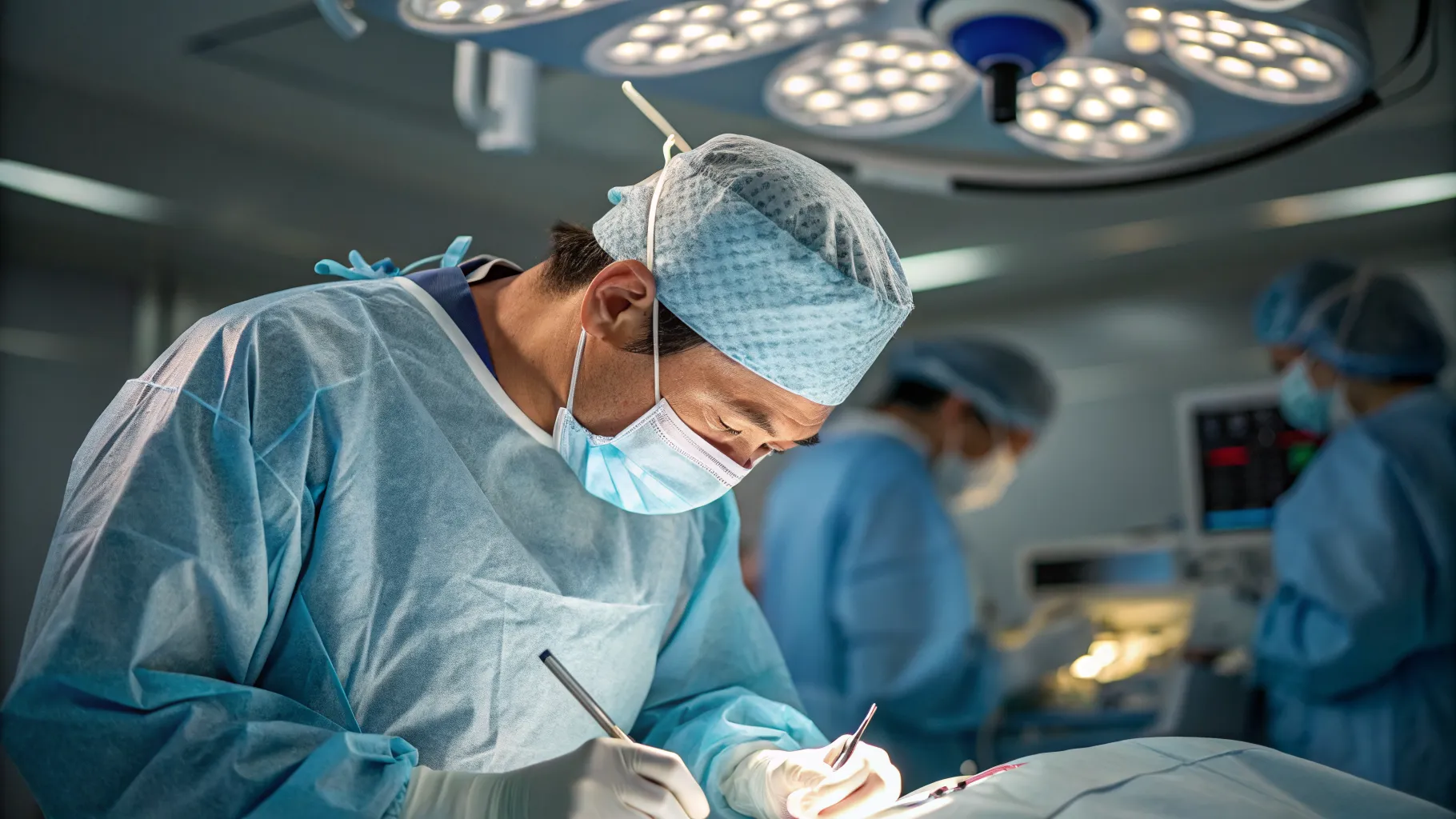
The evolution of surgical techniques has significantly favored minimally invasive lung surgery for lung nodule removal. These techniques offer numerous benefits, including smaller incisions, reduced pain, shorter hospital stays, and quicker recovery times compared to traditional open surgery. Two primary minimally invasive methods dominate the field: VATS (Video-Assisted Thoracoscopic Surgery) and robotic-assisted thoracoscopic surgery. Both approaches involve making several small incisions through which a camera and specialized instruments are inserted into the chest cavity. The surgeon then navigates these instruments to locate and remove the lung nodule, often performing a wedge resection or a segmentectomy. These advancements have revolutionized pulmonary nodule surgery, making it a more accessible and less traumatic option for many patients requiring intervention for lung nodules detected through lung cancer screening or other means.
Video-Assisted Thoracoscopic Surgery (VATS)
VATS (Video-Assisted Thoracoscopic Surgery) is a widely adopted minimally invasive lung surgery technique for lung nodule removal. During a VATS procedure, surgeons use a small video camera to visualize the inside of the chest cavity on a monitor, guiding their instruments with precision. This allows for precise identification and removal of the nodule without the need for a large incision that would require spreading the ribs. Patients undergoing VATS typically experience less post-operative pain and faster return to normal activities, making it a preferred option for many suitable candidates. The efficacy of VATS in removing lung nodules, even those suspicious for early-stage lung cancer, has made it a cornerstone of modern thoracic surgery practice, significantly improving patient experience and outcomes.
Robotic-Assisted Thoracoscopic Surgery
Robotic-assisted thoracoscopic surgery represents another advanced form of minimally invasive lung surgery for pulmonary nodule surgery. This technique utilizes robotic arms controlled by a surgeon from a console, offering enhanced dexterity, 3D visualization, and a greater range of motion compared to traditional VATS instruments. The precision offered by robotic systems can be particularly beneficial for complex resections or when working in difficult-to-reach areas of the lung. While conceptually similar to VATS (Video-Assisted Thoracoscopic Surgery) in its minimally invasive nature, robotic surgery often provides the surgeon with an even greater level of control, potentially leading to even more precise lung nodule removal. This technological advancement continues to expand the possibilities for patients requiring surgical intervention for lung nodules.
Traditional Open Thoracotomy for Complex Cases
Despite the rise of minimally invasive lung surgery, traditional open thoracotomy remains a vital technique, particularly for larger, more complex, or deeply situated lung nodules. A thoracotomy involves a larger incision in the chest, allowing the surgeon direct visualization and manual access to the lung. This approach provides excellent tactile feedback and can be necessary for extensive resections, such as a lobectomy (removal of an entire lobe of the lung) or pneumonectomy (removal of an entire lung), especially when the nodule is found to be a more advanced cancer. While associated with a longer recovery period and more post-operative pain compared to VATS (Video-Assisted Thoracoscopic Surgery) or robotic surgery, a thoracotomy offers the surgeon maximum control and is often the safest and most effective option for challenging lung nodule removal cases, ensuring complete excision and clear margins.
Post-Procedure Care and Recovery
Following any lung nodule removal procedure, post-operative care is crucial for optimal recovery. Patients are closely monitored for complications such as bleeding, infection, or air leaks. Pain management is a significant component of post-surgical care, tailored to the individual's needs and the extent of the surgery (e.g., less pain after minimally invasive lung surgery than after thoracotomy). Rehabilitation often involves breathing exercises and early mobilization to prevent complications and promote lung function. The duration of hospital stay varies, but typically, patients undergoing VATS (Video-Assisted Thoracoscopic Surgery) have shorter stays. Regular follow-up appointments are essential to monitor recovery, assess the surgical site, and plan any further necessary treatments, especially if the nodule was found to be malignant and was detected via lung cancer screening efforts. Adhering to medical advice and engaging in prescribed physical therapy are key to a successful return to daily activities and long-term health.
Preparing for Your Lung Nodule Removal Surgery
Preparation for pulmonary nodule surgery is a critical phase that significantly impacts the overall outcome and patient experience. Patients will undergo a series of pre-operative tests, including blood work, EKG, and additional imaging, to ensure they are fit for surgery. Discussions with the surgical team will cover the specifics of the lung nodule removal procedure, potential risks, and expected recovery trajectory. It is vital for patients to disclose all medications, supplements, and allergies to their medical team. Quitting smoking well in advance of the surgery is strongly recommended to improve lung function and reduce post-operative complications. Understanding the entire process, from admission to discharge, and preparing both physically and mentally can greatly alleviate anxiety and set the stage for a smoother recovery from minimally invasive lung surgery or thoracotomy procedures. Engage actively with your healthcare provider to clarify any doubts regarding your specific lung nodule removal plan.
Frequently Asked Questions
What is the typical recovery time after lung nodule removal surgery?
Recovery time varies greatly depending on the type of surgery performed. For minimally invasive lung surgery like VATS (Video-Assisted Thoracoscopic Surgery), patients might go home within 2-4 days and return to light activities in 2-4 weeks. For a traditional thoracotomy, hospital stays can be longer, often 5-7 days, with a recovery period of 6-8 weeks or more before resuming full activities. Factors like overall health, age, and any complications also play a role in individual recovery timelines.
Is lung nodule removal always necessary for a detected nodule?
No, lung nodule removal is not always necessary. Many lung nodules are benign and require only monitoring with serial CT scans to ensure they do not grow or change. The decision for pulmonary nodule surgery is based on several factors, including the nodule's size, characteristics (e.g., solid, subsolid), growth over time, and the patient's risk factors for lung cancer. A multidisciplinary team evaluates each case to determine the most appropriate course of action, balancing the risks of surgery against the potential risk of malignancy.
What are the risks associated with pulmonary nodule surgery?
Like any surgical procedure, pulmonary nodule surgery carries potential risks, including bleeding, infection, air leak, pneumonia, blood clots, and adverse reactions to anesthesia. Specific to lung surgery, there's a risk of persistent air leaks from the lung or a collapsed lung (pneumothorax). The surgical team discusses these risks extensively with patients before the lung nodule removal procedure. The risk profile can also vary depending on whether it's a minimally invasive lung surgery or a more extensive thoracotomy.
Can lung nodule removal be done without general anesthesia?
Typically, lung nodule removal procedures, whether VATS (Video-Assisted Thoracoscopic Surgery), robotic surgery, or thoracotomy, are performed under general anesthesia. This ensures the patient is completely unconscious and pain-free during the surgery. While some minor lung procedures might be considered under local anesthesia and sedation in very specific circumstances, the extensive nature of excising a lung nodule usually necessitates full general anesthesia for patient comfort and surgical precision. Discussing anesthesia options with your anesthesiologist is always recommended.
References
- American Thoracic Society Guidelines for Lung Nodules.
- European Society of Thoracic Surgeons Consensus on Nodule Management.
- Recent studies on advancements in robotic thoracic surgery techniques.
- Clinical practice updates for minimally invasive lung surgery.
- Guidelines for lung cancer screening and incidental nodule management.
Authored by 24Trendz team