Say Goodbye to Stubborn Dark Circles: A Deep Dive into Laser Treatment
Facts:
- Dark circles affect a significant portion of the adult population globally.
- Non-surgical aesthetic treatments, including advanced under-eye lasers, are a growing trend for periorbital concerns.
Exploring Advanced Laser Treatment Options for Under-Eye Discoloration
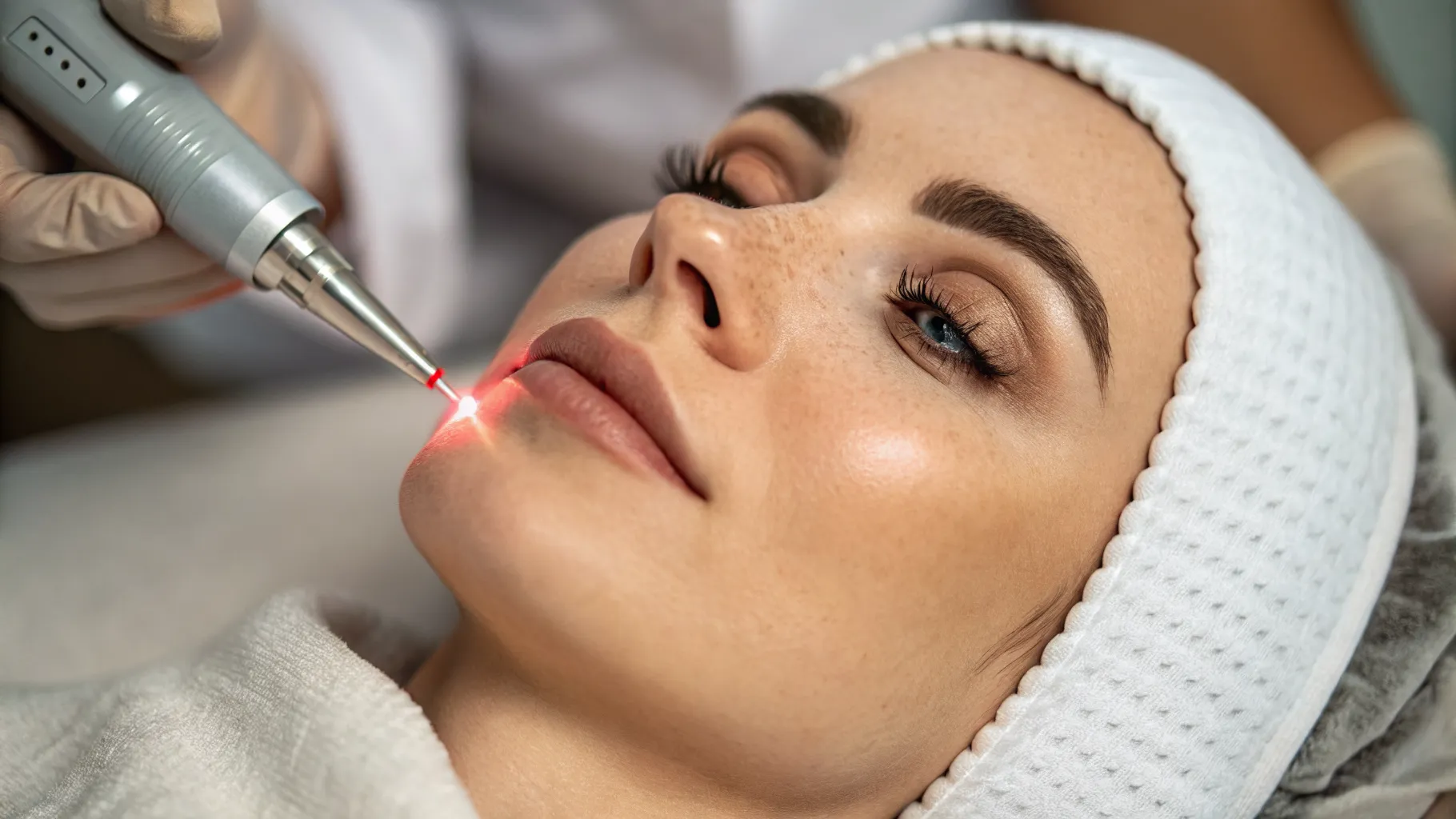
For many, the quest for a refreshed and youthful appearance is often hindered by the persistent presence of dark circles under the eyes. These can be particularly challenging to conceal and often make individuals appear tired or older than they are. Fortunately, modern dermatology offers advanced solutions, with laser treatment for dark circles emerging as a highly effective method for addressing this common cosmetic concern. This comprehensive guide will delve into how these specialized treatments work, who can benefit, and what to expect from the journey towards stubborn dark circles removal, offering a path to brighter, more vibrant eyes.
Understanding the Causes of Stubborn Dark Circles
Before considering laser treatment for dark circles, it's crucial to understand the multifaceted origins of these persistent shadows. Dark circles are not merely a result of fatigue; they often stem from a combination of genetic, structural, and lifestyle factors. Identifying the primary cause in each individual is paramount for selecting the most appropriate and effective treatment protocol, ensuring that the chosen approach, such as specialized under-eye lasers, directly targets the root of the problem.
Genetic Predisposition and Lifestyle Factors
Genetics play a significant role in the prevalence of dark circles. Some individuals are simply born with thinner skin under their eyes, which allows blood vessels to show through more prominently, creating a bluish or purplish tint. Additionally, a genetic predisposition to hyperpigmentation can lead to an excess production of melanin in the periorbital area, resulting in brown or grayish discoloration. Lifestyle factors like lack of sleep, excessive sun exposure, smoking, and dehydration can exacerbate these conditions. Allergies, which can cause blood vessels to dilate and leak, also contribute to the appearance of dark circles, making them a complex issue that often requires a targeted and robust solution like laser treatment for dark circles.
Vascular and Pigmentation Issues
Beyond genetics, the structural anatomy of the periorbital region can contribute to dark circles. A loss of volume in the tear trough area, often due to aging, can create a hollow shadow effect, making the under-eye area appear darker. Furthermore, the vascular network beneath the thin skin can become more visible, especially as skin loses collagen and elasticity, leading to a prominent blue or purple hue. Hyperpigmentation, where an excess of melanin is produced, results in brown or black dark circles. This type of pigmentation is often particularly challenging and resistant to topical creams, making advanced interventions like periorbital hyperpigmentation treatment with lasers a preferred option for many seeking significant improvement and effective stubborn dark circles removal.
Types of Under-Eye Lasers for Dark Circle Treatment
The landscape of aesthetic dermatology has evolved dramatically, offering a range of sophisticated under-eye lasers designed to target the various causes of dark circles. Each type of laser technology works on different principles, addressing specific concerns such as pigmentation, vascularity, and skin texture. The selection of the appropriate laser is crucial for achieving optimal results and minimizing risks, making it essential to consult with an experienced practitioner who can assess your individual needs for laser treatment for dark circles.
Fractional Non-Ablative Lasers
Fractional non-ablative lasers, such as Fraxel, work by creating microscopic thermal zones in the skin without damaging the surface. This controlled heating stimulates collagen production and encourages the regeneration of new, healthier skin cells. For dark circles, these lasers are particularly effective in improving skin texture, reducing fine lines, and evening out skin tone by targeting mild pigmentation. The gradual improvement and minimal downtime make them a popular choice for those seeking a gentle yet effective non-invasive dark circles solution.
Pulsed Dye Lasers (PDL)
Pulsed Dye Lasers (PDL) specifically target blood vessels. They emit a concentrated beam of light that is absorbed by the hemoglobin in red blood cells, causing the blood vessels to coagulate and eventually fade away. This makes PDL an excellent option for treating dark circles that have a prominent bluish or purplish hue, indicating a strong vascular component. PDL is known for its precision and effectiveness in addressing vascular lesions, offering a precise approach to reducing the appearance of certain types of under-eye lasers-responsive dark circles.
Q-Switched Lasers
Q-Switched lasers are highly effective for treating pigmented dark circles, particularly those resulting from excess melanin. These lasers deliver high-energy pulses in very short bursts, shattering pigment particles into smaller fragments that the body's lymphatic system can then naturally clear away. This technology is often used for conditions like melasma and post-inflammatory hyperpigmentation, making it a powerful tool for periorbital hyperpigmentation treatment and achieving significant stubborn dark circles removal. Multiple sessions are usually required for optimal results.
Intense Pulsed Light (IPL) - A Related Technology
While technically not a laser, Intense Pulsed Light (IPL) devices use broad-spectrum light that is filtered to target specific chromophores in the skin, such as melanin and hemoglobin. IPL can be highly effective for treating both pigmented and vascular dark circles, offering a versatile option for improving overall skin tone and reducing discoloration. Like lasers, IPL treatments stimulate collagen production, leading to a brighter, more even complexion under the eyes. It's often considered a gentler alternative or complementary treatment to traditional under-eye lasers, particularly for those looking for a comprehensive non-invasive dark circles solution.
The Laser Treatment Process: What to Expect
Embarking on laser treatment for dark circles involves a structured process designed to ensure safety, efficacy, and patient satisfaction. Understanding each step, from the initial consultation to post-treatment care, can help manage expectations and prepare you for a smooth journey towards achieving a brighter and more rejuvenated under-eye area. This systematic approach is critical for the successful outcome of any periorbital hyperpigmentation treatment.
Initial Consultation and Skin Assessment:
The first and most crucial step is a thorough consultation with a board-certified dermatologist or plastic surgeon. During this appointment, the practitioner will assess the specific type and cause of your dark circles, considering factors such as skin tone, skin laxity, vascularity, and pigmentation. They will discuss your medical history, any prior treatments, and your aesthetic goals. Based on this comprehensive evaluation, the most suitable type of under-eye lasers or combination therapy will be recommended. This personalized approach is vital for ensuring the effectiveness and safety of your laser treatment for dark circles and for achieving optimal stubborn dark circles removal.
Preparation and Procedure Day:
Before the treatment, you will be given specific instructions, which may include avoiding sun exposure, certain medications, or topical products. On the day of the procedure, the area around your eyes will be thoroughly cleansed, and a topical numbing cream may be applied to minimize discomfort. You will also wear protective eyewear. The practitioner will then precisely apply the chosen laser technology to the targeted areas under your eyes. The duration of the session can vary but typically ranges from 15 to 30 minutes, depending on the area being treated and the specific laser used. The focus is always on precision and safety, particularly with delicate procedures like periorbital hyperpigmentation treatment.
Post-Treatment Care and Recovery:
Immediately after the procedure, you may experience some redness, swelling, or mild discomfort, similar to a sunburn. These side effects are usually temporary and subside within a few days. Your practitioner will provide detailed post-treatment care instructions, which typically include applying soothing creams, avoiding direct sun exposure, and using high-SPF sunscreen. It's important to avoid picking or scratching the treated area. The number of sessions required for optimal stubborn dark circles removal varies depending on the severity of the dark circles and the type of laser used, but most patients see significant improvement after a series of treatments. Adhering strictly to post-care guidelines is essential for successful healing and long-lasting results from your laser treatment for dark circles.
Benefits and Potential Risks of Under-Eye Laser Treatment
Laser treatment for dark circles offers a promising avenue for those seeking significant improvement in their under-eye appearance. The benefits can be transformative, leading to a more refreshed, youthful, and vibrant look. Many individuals report increased confidence and satisfaction with their overall facial aesthetic. Unlike temporary solutions, lasers target the underlying causes, providing long-lasting results for stubborn dark circles removal. They can effectively reduce pigmentation, improve skin texture, minimize fine lines, and diminish the visibility of blood vessels, offering a comprehensive non-invasive dark circles solution. However, like any medical procedure, there are potential risks and considerations that patients must be aware of. These can include temporary side effects such as redness, swelling, bruising, or mild discomfort. In rare cases, more serious complications like hyperpigmentation (darkening of the skin) or hypopigmentation (lightening of the skin) can occur, especially if the treatment is not performed by an experienced practitioner or if post-care instructions are not followed. It is crucial to have a thorough consultation to discuss these risks and ensure that under-eye lasers are the right choice for your specific condition and skin type, particularly for delicate procedures like periorbital hyperpigmentation treatment.
Choosing the Right Specialist for Your Periorbital Hyperpigmentation Treatment
- Look for board-certified dermatologists or plastic surgeons with extensive experience in aesthetic laser treatments.
- Review before-and-after photos of their previous patients who underwent laser treatment for dark circles.
- Ensure the clinic offers a variety of under-eye lasers technologies to ensure a tailored approach to your specific condition.
Frequently Asked Questions
Is laser treatment safe for dark circles?
Yes, when performed by a qualified and experienced practitioner, laser treatment for dark circles is generally safe. The specific type of laser used and the practitioner's expertise are crucial for minimizing risks.
How many sessions of under-eye lasers are typically needed?
The number of sessions for under-eye lasers varies depending on the severity of the dark circles, the type of laser used, and individual response. Typically, a series of 3-6 sessions spaced several weeks apart is recommended for optimal stubborn dark circles removal.
What is the recovery time for stubborn dark circles removal?
Recovery time varies with the type of laser. Non-ablative lasers usually have minimal downtime, with redness or swelling lasting a few days. More intensive treatments might have slightly longer recovery periods, but most people can resume normal activities quickly following periorbital hyperpigmentation treatment.
References
- Journal of Cosmetic and Laser Therapy.
- American Academy of Dermatology Association.
- Dermatologic Surgery Journal.
Authored by 24Trendz team