The Ultimate Japan and South Korea Cruise Guide: Itineraries & Ports
Facts:
- Japan has over 6,800 islands, offering diverse port calls.
- Cruising is a booming trend for exploring multiple East Asian countries.
Navigating the Wonders of Your Japan and South Korea Cruise
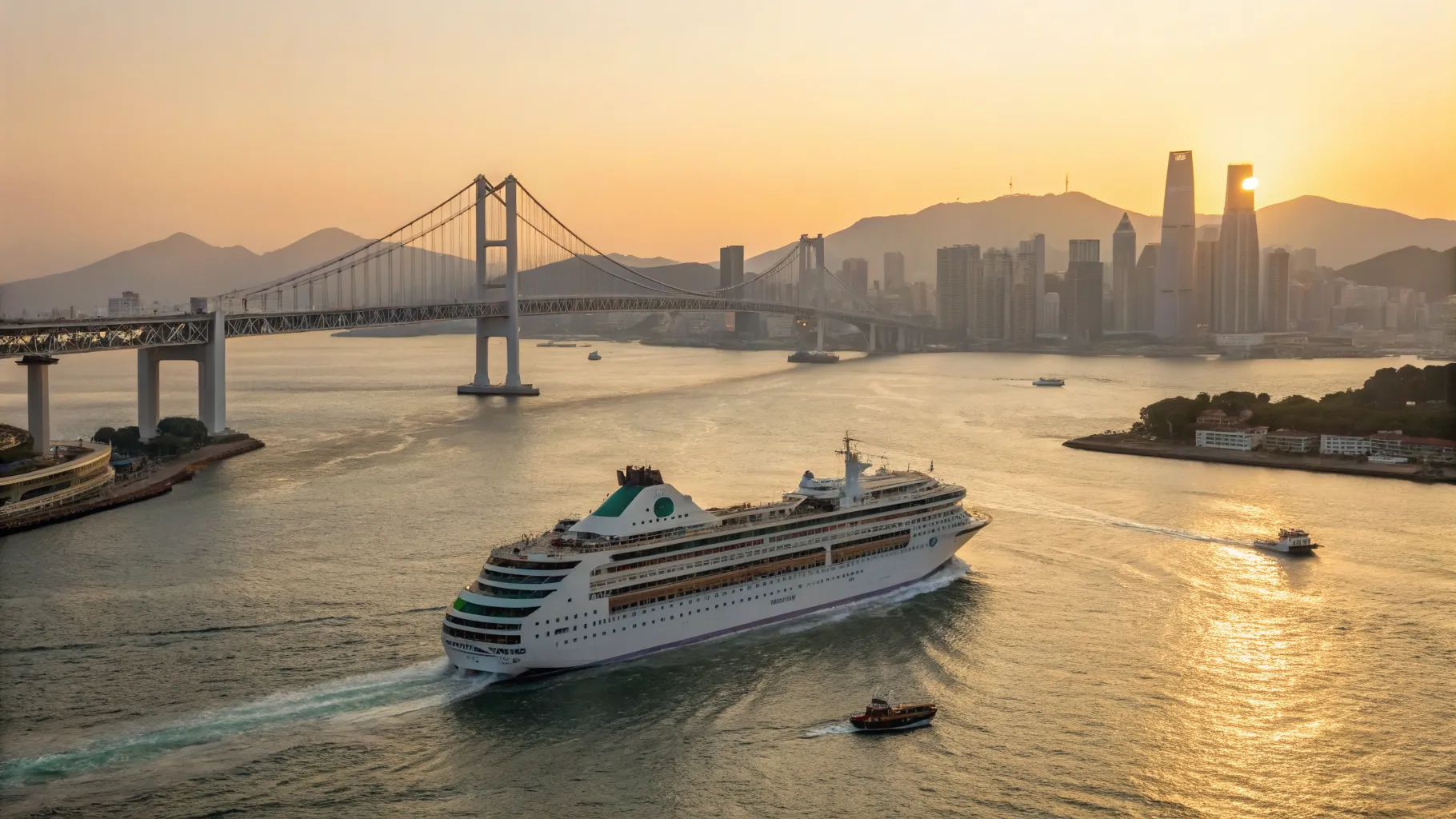
Embarking on a Japan and South Korea cruise is more than just a vacation; it's a journey through centuries of history, vibrant cultures, and breathtaking landscapes. This unique travel experience allows you to witness the seamless blend of ancient traditions and futuristic innovation that defines this captivating region. From the bustling streets of Tokyo to the serene temples of Busan, an East Asia cruise offers a convenient and immersive way to explore multiple destinations without the hassle of constant packing and unpacking. This guide will delve into everything you need to know to plan the perfect voyage, focusing on key elements like creating the ideal Japan cruise itinerary and discovering the most exciting ports of call.
Crafting the Perfect Japan Cruise Itinerary
The foundation of a memorable trip is a well-planned Japan cruise itinerary. Most cruises covering this region offer a variety of routes, typically lasting from 7 to 14 days. A common starting point is a major Japanese port like Yokohama (near Tokyo) or Kobe (near Osaka). From there, your journey might take you south to the beautiful islands of Okinawa, known for their subtropical climate and distinct culture. Other popular stops in Japan include Hakodate, with its stunning night views, and Kagoshima, home to the active Sakurajima volcano. When choosing your itinerary, consider the time of year. A spring voyage, for example, could become an unforgettable cherry blossom cruise, offering views of sakura-lined coastlines and parks in full bloom. It's crucial to look at the time spent in each port; some itineraries offer longer stays, allowing for deeper exploration, while others focus on covering more ground.
Exploring the Vibrant South Korea Cruise Ports
Your adventure continues as you sail to the Korean Peninsula, where a rich tapestry of history and modernity awaits. The most frequented South Korea cruise ports offer a fantastic glimpse into the country's soul. Busan, South Korea's second-largest city, is a highlight for many. Here, you can explore the colorful Gamcheon Culture Village, relax on Haeundae Beach, or visit the bustling Jagalchi Fish Market. Another key port is Incheon, the gateway to the capital city, Seoul. From Incheon, you can take an excursion to see Gyeongbokgung Palace, shop in the trendy Myeongdong district, or visit the historic DMZ. Jeju Island, a volcanic island and UNESCO World Heritage site, is another gem often included. Known as the 'Hawaii of Korea,' it mesmerizes visitors with its stunning waterfalls, lava tubes, and beautiful beaches. Each of these South Korea cruise ports provides a unique flavor of Korean life and culture.
Timing Your Voyage: The Magic of a Cherry Blossom Cruise
One of the most sought-after experiences in this region is the cherry blossom cruise. Timing is everything, as the sakura season is fleeting, typically lasting from late March to early April. Planning a Japan and South Korea cruise during this window can elevate your trip to a magical level. Imagine sailing into ports adorned with delicate pink and white blossoms. Parks, castles, and temple grounds are transformed into ethereal landscapes. Popular spots to witness this spectacle include Ueno Park in Tokyo, the Philosopher's Path in Kyoto (accessible from Kobe or Osaka ports), and Jinhae in South Korea, famous for its massive cherry blossom festival. Booking a cherry blossom cruise requires advance planning, as these voyages are extremely popular and tend to sell out quickly. You should also be prepared for variable weather, but the potential reward of seeing this natural spectacle from the unique vantage point of a cruise ship is immeasurable.
Comparing Your East Asia Cruise Options
Choosing the right cruise line and ship is just as important as the itinerary. Various cruise lines operate in the region, each offering a different experience. Luxury lines may provide a more intimate setting with all-inclusive amenities, while larger, mainstream lines offer a wide array of entertainment, dining options, and family-friendly activities. When evaluating your East Asia cruise options, look at the shore excursions offered. Do they align with your interests? Are they well-reviewed? Also, consider the onboard experience. Some ships have a stronger focus on cultural enrichment, offering lectures and classes related to Japanese and Korean culture, which can greatly enhance your understanding of the destinations. A comprehensive Japan cruise itinerary paired with the right ship can make all the difference in creating your dream vacation.
Essential Tips for Your Journey
To make the most of your Japan and South Korea cruise, a little preparation goes a long way. Here is some actionable advice to ensure a smooth and enjoyable experience:
- Currency and Payments: While onboard expenses are charged to your room, you will need local currency (Japanese Yen and South Korean Won) for small purchases, local markets, and transportation in port. It's wise to have some cash on hand, although credit cards are widely accepted in larger establishments.
- Connectivity: Ship Wi-Fi can be expensive and slow. Consider purchasing a local SIM card or a portable Wi-Fi device upon arrival at your first port for better and more affordable internet access on shore.
- Cultural Etiquette: Familiarize yourself with basic customs. In Japan, bowing is a common greeting, and it's considered polite to slurp your noodles. In South Korea, use both hands when giving or receiving items from an elder. Small gestures of respect are always appreciated.
- Packing Smart: Pack layers. The weather can vary significantly between southern and northern ports. Comfortable walking shoes are an absolute must, as you'll be doing a lot of exploring. Also, pack any necessary prescription medications and a small first-aid kit.
Frequently Asked Questions
What is the best time of year for a Japan and South Korea cruise?
The best times are spring (March-May) for the famous cherry blossoms and mild weather, and autumn (September-November) for pleasant temperatures and beautiful fall foliage. A cherry blossom cruise is particularly popular but requires booking far in advance.
Do I need visas for Japan and South Korea on a cruise?
For many nationalities, including those from the US, Canada, the EU, and Australia, visas are not required for short tourist visits when arriving by cruise ship. However, it's essential to check the specific requirements for your nationality well before your departure date.
What currency is used on a Japan and South Korea cruise?
The onboard currency is typically the US Dollar (USD), regardless of the cruise's location. Ashore, you will need Japanese Yen (JPY) in Japan and South Korean Won (KRW) in South Korea. It is recommended to carry some local currency for smaller purchases.
What is a typical Japan cruise itinerary like?
A typical Japan cruise itinerary often starts in Yokohama or Kobe and includes ports like Nagasaki, Kagoshima, and sometimes Okinawa. When combined with South Korea, the itinerary will also feature ports like Busan and Incheon (for Seoul), creating a comprehensive East Asia cruise experience.
References
- Japan National Tourism Organization
- Korea Tourism Organization
- Cruise Lines International Association (CLIA) Reports
- Port Authority Guides for Yokohama, Busan, and Incheon
Authored by 24Trendz team