Navigating Insulin Pump Prices and Medicare Benefits for Diabetes Management
Facts:
- Insulin pump technology improves blood sugar control.
- Costs vary significantly for insulin pump prices.
- Medicare benefits offer substantial support for eligible beneficiaries.
- Durable Medical Equipment (DME) category includes insulin pumps.
- Coverage often falls under Medicare Part B.
Understanding Insulin Pump Prices and Medicare Part B Coverage
Managing type 1 or type 2 diabetes often involves advanced medical devices, and insulin pump prices can be a significant concern for many patients. Fortunately, Medicare benefits play a crucial role in making these life-sustaining technologies accessible. Navigating the complexities of insulin pump coverage through governmental health programs requires a clear understanding of what Medicare provides, the different parts involved, and the financial responsibilities beneficiaries may encounter. This comprehensive guide will help you decipher how to secure the necessary care without undue financial strain, ensuring you can focus on effective diabetes management.
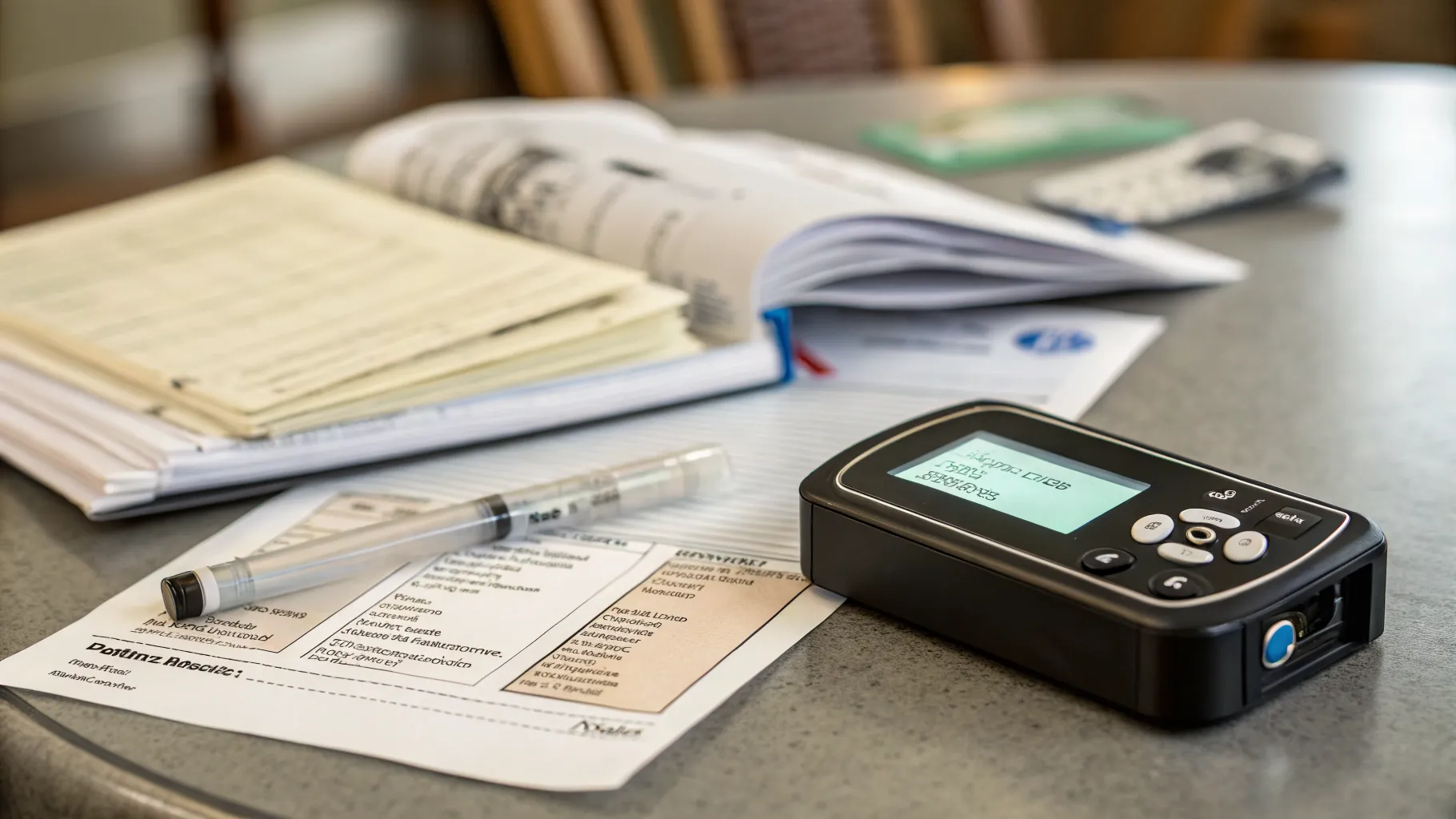
Dissecting the Costs: What Influences Insulin Pump Prices?
The landscape of insulin pump prices is diverse, influenced by several factors ranging from technology advancements to manufacturer competition. Modern insulin pumps come in various forms, including traditional tubed pumps and more discreet patch pumps, each with differing initial device costs and ongoing supply expenses. Features such as continuous glucose monitoring (CGM) integration, smartphone connectivity, and advanced algorithm-driven insulin delivery systems also contribute to the overall price tag. Patients must consider not only the upfront cost of the pump itself but also the recurring expenses for reservoirs, infusion sets, batteries, and other essential disposables. These ongoing supply costs can accumulate over time, making it crucial to understand how insulin pump coverage through Medicare addresses both the device and its necessary accessories.
Medicare Benefits for Insulin Pumps: What's Covered?
For individuals with diabetes who require an insulin pump, understanding Medicare benefits is paramount. Generally, **Medicare Part B** covers medically necessary insulin pumps and their supplies as Durable Medical Equipment (DME). To qualify for insulin pump coverage, your doctor must prescribe the pump and attest to its medical necessity for your condition. This typically involves documenting a history of insulin dependence and a need for continuous subcutaneous insulin infusion. Once deemed medically necessary, Medicare Part B will usually cover 80% of the Medicare-approved amount after you've met your annual Part B deductible. The remaining 20% is your coinsurance. This coverage extends not only to the pump device itself but also to the essential supplies required for its operation, such as insulin reservoirs, infusion sets, and certain batteries, ensuring comprehensive support for your diabetes management.
Understanding Durable Medical Equipment (DME) Criteria
To ensure that your insulin pump falls under Durable Medical Equipment (DME) coverage by Medicare, several criteria must be met. The item must be durable, meaning it can withstand repeated use; used for a medical reason; not usually useful to someone who isn't sick or injured; and used in your home. An insulin pump precisely fits these definitions, serving as a long-term medical solution for diabetes management. It must be prescribed by a physician and supplied by a Medicare-approved DME provider. Medicare's strict guidelines are designed to ensure that beneficiaries receive appropriate and effective medical equipment, making the process of obtaining an insulin pump straightforward once all medical necessity requirements are fulfilled.
Navigating Out-of-Pocket Expenses and Supplemental Plans
While Medicare benefits provide substantial assistance with insulin pump prices, beneficiaries will still face out-of-pocket expenses, including deductibles and the 20% coinsurance for the Medicare-approved amount. These costs can vary, and managing them effectively is a key aspect of long-term diabetes care. Many individuals choose to enroll in supplemental insurance plans to help mitigate these remaining costs. Medigap (Medicare Supplement Insurance) plans can cover the 20% coinsurance, deductibles, and sometimes even excess charges, significantly reducing your financial burden. Alternatively, Medicare Advantage (Part C) plans, offered by private companies approved by Medicare, must cover everything Original Medicare covers but often include additional benefits and may have different cost-sharing structures. It's crucial to compare different Medigap or Part C plans to find one that best complements your **insulin pump coverage** needs and overall healthcare budget.
Tips for Maximizing Your Insulin Pump Coverage and Reducing Costs
Verify Provider Networks: Always ensure that your Durable Medical Equipment (DME) supplier and your prescribing physician are enrolled in Medicare and accept assignment. This guarantees that they accept the Medicare-approved amount as full payment, limiting your out-of-pocket costs to the deductible and coinsurance for insulin pump prices.
Understand Prior Authorization: Some insulin pumps or specific brands may require prior authorization from Medicare before coverage is approved. Work closely with your doctor and DME supplier to complete all necessary paperwork and secure approval in advance to avoid unexpected denials or delays in your insulin pump coverage.
Explore Patient Assistance Programs: Many insulin pump manufacturers and charitable organizations offer patient assistance programs to help cover the costs of devices and supplies for eligible individuals. These programs can be a valuable resource for reducing your overall insulin pump prices.
Compare Pump Models and Features: While medical necessity dictates much of the choice, discussing various insulin pump models with your doctor can help you understand the differences in technology, features, and associated supply costs. Some pumps may have lower long-term costs for supplies, influencing your overall expense even with robust Medicare benefits.
Review Your Medicare Plan Annually: Medicare plans can change year-to-year, as can your personal health needs. During the annual enrollment period, review your current Medicare Part B and any supplemental plans to ensure they still offer the best insulin pump coverage and overall value for your specific situation. This proactive approach can help you adapt to changes and continue to maximize your benefits.
Frequently Asked Questions
Does Medicare Part B cover all types of insulin pumps?
Generally, Medicare Part B covers medically necessary external insulin pumps. While most standard pumps are covered, specific models or newer technologies might require individual review to ensure they meet Medicare's criteria for Durable Medical Equipment (DME). It is always best to confirm with your provider and Medicare directly.
What are the typical out-of-pocket insulin pump prices with Medicare?
After meeting your annual Medicare Part B deductible, you are typically responsible for 20% of the Medicare-approved amount for the insulin pump and its supplies. These costs can be further reduced or eliminated if you have supplemental insurance like Medigap or a Medicare Advantage plan that covers the remaining coinsurance.
How often can I get new insulin pump coverage through Medicare?
Medicare usually covers the replacement of an insulin pump every five years, provided it is still medically necessary. Coverage for supplies (reservoirs, infusion sets, etc.) is ongoing as needed, as long as your prescription and medical necessity remain current. Always verify specific coverage timelines with your DME provider and Medicare.
References
- Government healthcare publications on Medicare Part B coverage for DME.
- Diabetes advocacy organization guidelines on insulin pump access and affordability.
- Medical device manufacturers' patient information and support resources.
Authored by 24Trendz team