Identifying the Early Warning Signs of Breast Cancer in Women
Facts:
- Regular self-checks are crucial for detecting changes.
- Early detection of breast cancer symptoms significantly improves survival rates for women.
Understanding the Critical Importance of Early Detection for Breast Health
Recognizing the early warning signs of breast cancer is a cornerstone of proactive health management for women worldwide. While it can be a daunting topic, being informed about potential changes in your body empowers you to seek medical advice promptly, which is vital for early diagnosis and effective treatment. This comprehensive guide will detail the crucial breast cancer symptoms to be aware of, helping you understand what to look for during a breast self-examination and when to consult a healthcare professional.
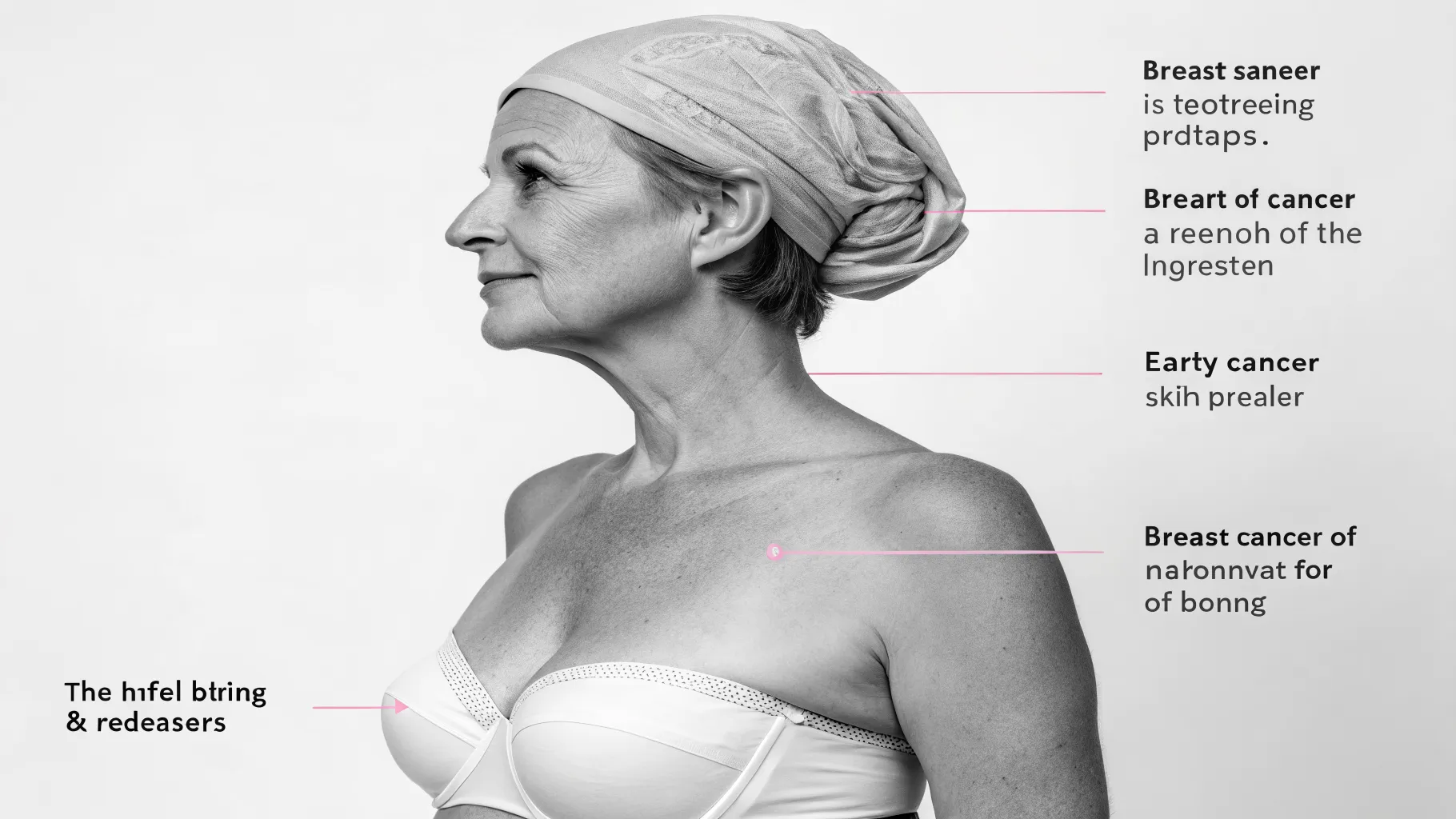
Key Physical Changes to Look For During Breast Self-Examination
Performing a regular breast self-examination is a powerful tool for familiarity with your own body, allowing you to quickly identify any new or unusual changes. While not a substitute for professional screenings like mammogram screening, it is an important first step in personal vigilance.
Lumps and Thickening: The Most Common Early Sign
Perhaps the most widely recognized of the early warning signs of breast cancer is the presence of a new lump in breast or thickening. This lump may feel distinct from the surrounding breast tissue and can vary in size. It's important to note that not all lumps are cancerous; many are benign cysts or fibroadenomas. However, any new lump or area of thickening, especially if it feels hard, fixed, or irregular in shape, warrants immediate medical evaluation. Pay close attention to any changes in size, shape, or texture over time.
Skin Changes and Dimpling: Visual Indicators
Beyond palpable lumps, certain visual changes to the skin of the breast can also be significant breast cancer symptoms. These include dimpling, puckering, or redness of the skin. A texture resembling an orange peel, known as peau d'orange, is a particularly concerning sign. Any unexplained rash or irritation of the skin around the breast or nipple that does not go away should also be brought to a doctor's attention. Changes in the size or shape of one breast compared to the other may also indicate an underlying issue.
Nipple Changes or Discharge: Alarming Signals
The nipple area can also present several early warning signs of breast cancer. This includes a nipple that turns inward (inverted) when it previously did not, or any persistent changes to its direction or position. Spontaneous nipple discharge, especially if it's clear, bloody, or occurs from only one breast, is a red flag. While some nipple discharge can be benign, any unusual discharge should be investigated by a healthcare professional to rule out serious conditions. Changes in the skin around the nipple, such as scaling, redness, or crusting, could also be a symptom.
Persistent Breast Pain and Tenderness: A Less Common but Important Symptom
While persistent pain is not typically considered an early warning sign of breast cancer, some women do experience discomfort or tenderness as a symptom, particularly with inflammatory breast cancer. Any new, persistent, or worsening pain in a specific area of the breast that does not resolve should be assessed by a doctor. It is crucial not to dismiss pain as merely hormonal or benign without professional evaluation, especially if it is accompanied by other breast cancer symptoms mentioned above or if a lump in breast is also present.
Beyond Self-Checks: Professional Screenings and Awareness
While breast self-examination is vital for personal awareness, it forms only one part of a comprehensive strategy for early warning signs of breast cancer detection. Professional medical evaluations and advanced screening methods are indispensable.
The Role of Clinical Breast Exams
A clinical breast exam (CBE) performed by a healthcare professional involves a thorough physical examination of the breasts and underarm area. Doctors are trained to detect subtle changes or abnormalities that might be missed during a self-exam. These exams are often part of a routine physical check-up and serve as another layer of vigilance in identifying potential breast cancer symptoms.
Understanding Mammogram Screening and Other Imaging Tests
Mammogram screening remains the gold standard for detecting breast cancer early, often before a lump in breast can be felt. Mammograms can detect microcalcifications or small tumors that are not palpable. Guidelines for mammogram screening vary, but generally, women are advised to begin regular screenings in their 40s or 50s, depending on individual risk factors and national recommendations. Other imaging tests, such as ultrasound or MRI, may be used as supplementary tools for women with dense breast tissue, those at high risk, or to further evaluate findings from a mammogram.
Factors Increasing Breast Cancer Risk
Understanding the factors that can increase your risk of developing breast cancer is an important component of proactive health. While some risk factors, such as being female and increasing age, are non-modifiable, others can be influenced. A family history of breast cancer, particularly in close relatives, significantly elevates risk. Genetic mutations, notably in the BRCA1 and BRCA2 genes, are also strong indicators. Other factors include a personal history of certain benign breast conditions, obesity, alcohol consumption, and certain types of hormone therapy. Being aware of these risks can inform discussions with your doctor about personalized screening schedules and preventive strategies to monitor for early warning signs of breast cancer more closely.
When to Consult a Healthcare Professional
It is paramount to seek medical advice without delay if you notice any of the early warning signs of breast cancer discussed. Do not wait for pain to develop or for the symptom to worsen. Early diagnosis drastically improves treatment outcomes. Your doctor will perform a thorough examination, which may include ordering diagnostic imaging tests like a diagnostic mammogram, ultrasound, or MRI, and potentially a biopsy to confirm a diagnosis if abnormalities are found. Being proactive and communicating openly with your healthcare provider about any concerns regarding a potential lump in breast or other breast cancer symptoms is your best defense.
Proactive Steps for Breast Health
Perform Regular Breast Self-Examinations: Become familiar with the normal feel and appearance of your breasts. Conduct a breast self-examination monthly, ideally a few days after your period ends when breasts are least tender.
Schedule Routine Clinical Breast Exams: Ensure that clinical breast exams are part of your annual check-ups. These professional examinations can catch subtle changes you might miss.
Adhere to Mammogram Screening Guidelines: Discuss your personal risk factors with your doctor to determine the appropriate schedule for mammogram screening. Following recommended guidelines is crucial for detecting abnormalities before they become palpable.
Maintain a Healthy Lifestyle: A balanced diet, regular physical activity, and limiting alcohol intake can contribute to overall health and may reduce breast cancer risk. These lifestyle choices support your body's ability to remain vigilant against disease.
Know Your Family History: Understand your family's medical history regarding breast cancer and discuss it with your doctor. This information helps in assessing your personal risk and guiding appropriate screening strategies for early warning signs of breast cancer.
Frequently Asked Questions
Can a lump in breast always mean cancer?
No, not every lump in breast is cancerous. Many are benign conditions like cysts or fibroadenomas. However, any new lump or change should always be evaluated by a healthcare professional to determine its nature.
How often should I perform a breast self-examination?
It is generally recommended to perform a breast self-examination monthly. Consistency helps you become familiar with your breasts' normal texture and appearance, making it easier to spot any new early warning signs of breast cancer.
What is the recommended age for mammogram screening to begin?
Guidelines vary by organization and country, but generally, women are advised to begin regular mammogram screening in their 40s to 50s. Discuss your individual risk factors and family history with your doctor to determine the best schedule for you.
Are breast cancer symptoms always painful?
Not necessarily. While some women may experience pain, many early warning signs of breast cancer, such as a new lump in breast or skin changes, may be painless. This is why regular self-exams and professional screenings are so important.
References
- American Cancer Society. Breast Cancer Facts & Figures.
- National Breast Cancer Foundation, Inc. Early Detection & Symptoms.
- Mayo Clinic. Breast cancer: Symptoms and causes.
- Centers for Disease Control and Prevention. What Are the Risk Factors for Breast Cancer?
Authored by 24Trendz team