Hyaluronic Acid Serum: Which Type Works Best For Your Skin?
Facts:
- Hyaluronic acid can hold 1000x its weight in water.
- The latest trend for hydration is layering different molecular weights.
Decoding the Ultimate Hydrator: Finding Your Perfect Hyaluronic Acid Serum
Navigating the world of skincare can be overwhelming, especially when it comes to finding the perfect hyaluronic acid serum. This powerhouse ingredient is famed for its incredible ability to retain moisture, but not all serums are created equal. The key to unlocking its full potential lies in understanding how different formulations work for various skin types. Whether you have dry, oily, or combination skin, choosing the right molecular weight and concentration is crucial for achieving plump, hydrated, and healthy-looking skin.
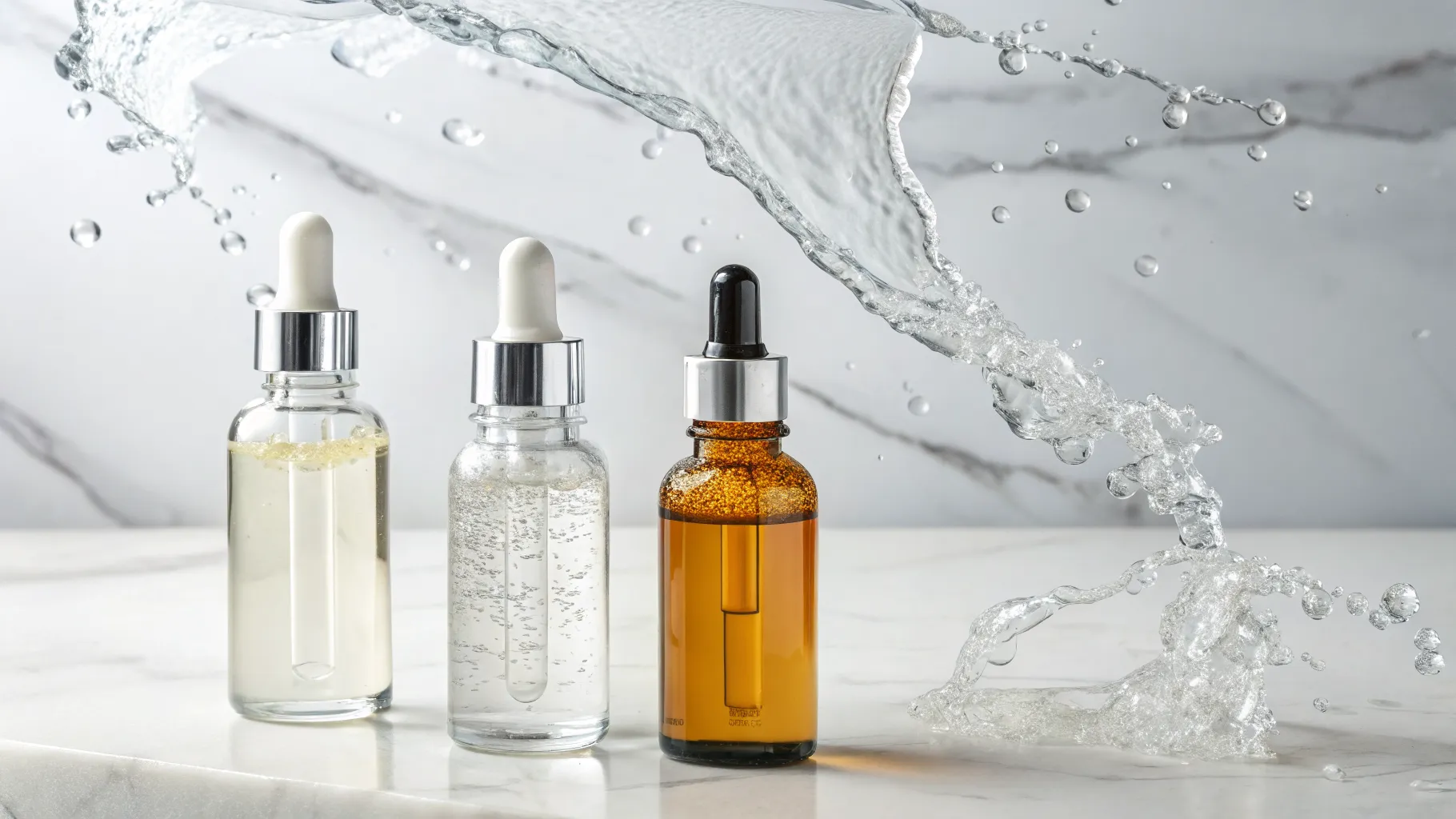
Understanding Molecular Weights in Hyaluronic Acid
The effectiveness of a hyaluronic acid serum is largely determined by its molecular size. Different weights penetrate the skin at different levels, offering distinct benefits. It's essential to understand these differences to select a product that targets your specific concerns. Generally, you'll encounter two main categories: high molecular weight and low molecular weight.
High Molecular Weight Hyaluronic Acid (HMW HA)
High molecular weight HA features larger molecules that sit on the surface of the skin. They are too large to penetrate the deeper layers, so they form a hydrating barrier on the epidermis. This barrier helps to lock in moisture, prevent trans-epidermal water loss (TEWL), and provide instant plumping and smoothing effects. This type is excellent for creating a dewy finish and protecting the skin from external aggressors. However, it provides more superficial, temporary hydration.
Low Molecular Weight Hyaluronic Acid (LMW HA)
In contrast, low molecular weight HA consists of much smaller molecules that can penetrate deeper into the skin's layers. This allows it to deliver hydration to the dermis, promoting longer-lasting moisture and supporting skin elasticity and firmness from within. Serums with low molecular weight HA are ideal for addressing dehydration at a deeper level and can help reduce the appearance of fine lines over time. Many advanced formulations now include multiple weights of hyaluronic acid to provide multi-level hydration for all skin types.
Matching Hyaluronic Acid Serum to Your Skin Type
Choosing the right hyaluronic acid serum depends entirely on your specific skin types. A product that works wonders for dry skin might not be suitable for oily or acne-prone skin. Let's break down the best options for each.
- For Dry Skin: Look for serums containing a blend of molecular weights. A combination of high molecular weight HA for surface hydration and low molecular weight HA for deep moisture is ideal. Ingredients like ceramides and glycerin will further enhance the hydrating benefits.
- For Oily/Combination Skin: Opt for a lightweight, oil-free formula with primarily low molecular weight HA. This provides necessary hydration without feeling heavy or clogging pores. A form called sodium hyaluronate, the salt form of HA, is often preferred as it's less tacky and absorbs quickly.
- For Sensitive Skin: Choose a simple formula with minimal ingredients to avoid irritation. A pure hyaluronic acid serum without added fragrances, alcohol, or essential oils is the safest bet. Patch testing is always recommended for sensitive skin types.
- For Mature Skin: A serum with multi-molecular weights, especially low molecular weight HA, is crucial for targeting fine lines and loss of elasticity. Look for formulations that also include peptides or antioxidants to further support skin health.
How to Correctly Apply Your Hyaluronic Acid Serum
To get the most out of your hyaluronic acid serum, application is key. Hyaluronic acid is a humectant, meaning it draws moisture from its surroundings. If you apply it to dry skin in a dry environment, it can actually pull moisture from the deeper layers of your skin, leading to more dehydration. Follow these steps for optimal results:
- Cleanse your face thoroughly.
- While your skin is still damp, apply a few drops of the serum. The dampness gives the HA immediate water to bind to.
- Gently pat the serum into your skin until it is absorbed.
- Immediately follow up with a moisturizer to seal in the hydration. The moisturizer acts as an occlusive layer, preventing the moisture from evaporating.
Potential Side Effects and What to Look For
While hyaluronic acid serum is generally well-tolerated by most skin types, some people may experience minor side effects, especially if the product is not used correctly or contains irritating additives. Potential issues can include redness, itching, or a feeling of tightness if the serum is drying out your skin. To avoid this, always apply it to damp skin and seal it with a moisturizer. When purchasing a serum, check the ingredient list. Look for terms like 'hydrolyzed hyaluronic acid' for low molecular weight HA and 'sodium hyaluronate' which is a stable and effective form of HA. Avoid products with high concentrations of alcohol or synthetic fragrances if you have sensitive skin.
Frequently Asked Questions
Can I use a hyaluronic acid serum every day?
Yes, a hyaluronic acid serum is gentle enough for twice-daily use, both in the morning and at night. Consistent application is key to maintaining skin hydration levels and seeing the best results for all skin types.
What is the difference between sodium hyaluronate and hyaluronic acid?
Sodium hyaluronate is the salt form of hyaluronic acid. It has a smaller molecular size, which allows it to penetrate the skin more easily than high molecular weight HA. It is also more stable, making it a common and effective ingredient in many skincare formulations.
Will hyaluronic acid clog my pores?
No, hyaluronic acid is non-comedogenic, meaning it will not clog pores. This makes it an excellent hydrator even for oily and acne-prone skin types, as it provides moisture without adding oil or heaviness.
References
- Journal of Clinical and Aesthetic Dermatology
- International Journal of Biological Macromolecules
- Dermatologic Surgery Journal
Authored by 24Trendz team