How to Achieve a Permanent Nasal Polyp Removal: A Comprehensive Guide
Fast Facts:
- Nasal polyps affect up to 4% of the population.
- Chronic inflammation is a key factor for recurrent nasal polyps symptoms.
Understanding Nasal Polyps Symptoms and the Quest for a Lasting Nasal Polyps Cure
For many individuals, the persistent discomfort and breathing difficulties caused by nasal polyps can significantly diminish quality of life. The search for a permanent nasal polyp removal often leads to exploring various nasal polyp treatment options, ranging from medical management to surgical interventions. Understanding the underlying causes and effectively treating nasal polyps is crucial for achieving long-term relief and preventing recurrence. This comprehensive guide will delve into the complexities of this condition, outlining pathways to a potential nasal polyps cure.
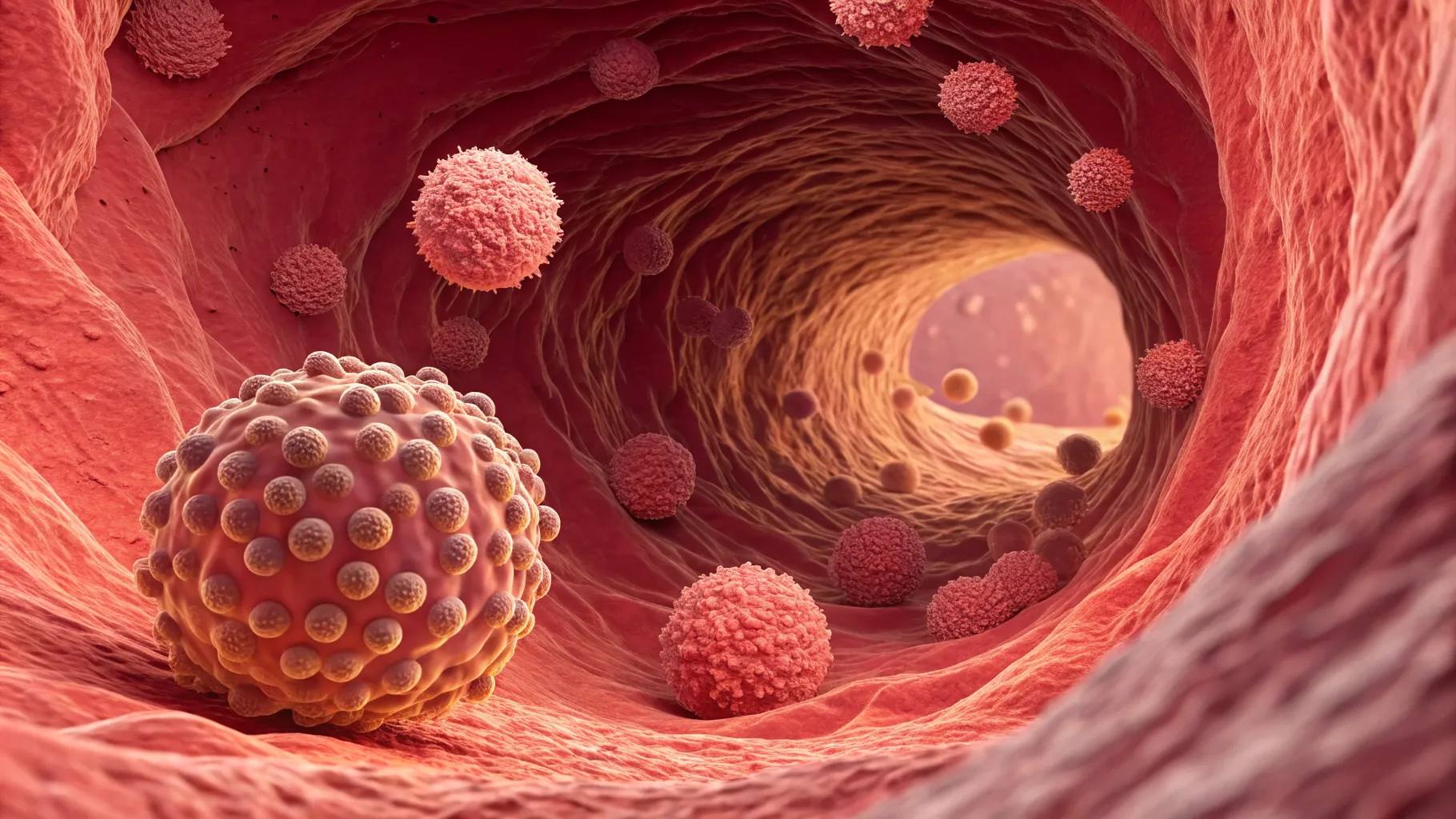
Exploring Medical Approaches for Treating Nasal Polyps
Medical management is often the first line of defense when seeking a nasal polyps cure. Corticosteroids, administered orally or topically as nasal sprays, are highly effective in reducing inflammation and shrinking polyps. Oral corticosteroids, while powerful, are typically used for short durations due to potential side effects. Long-term topical nasal steroid sprays, however, are a cornerstone for managing nasal polyps symptoms and preventing their growth. These sprays deliver medication directly to the nasal lining, minimizing systemic absorption. Biologic medications represent a significant advancement for severe, recurrent polyps, especially those associated with conditions like severe asthma. These injectable drugs target specific inflammatory pathways, offering a more targeted approach to treating nasal polyps and potentially leading to a more permanent nasal polyp removal for eligible patients.
Surgical Interventions: When is Permanent Nasal Polyp Removal Necessary?
When medical treatments fail to provide adequate relief or polyps are very large and obstruct nasal passages, surgical intervention becomes a viable nasal polyp treatment option. Endoscopic sinus surgery (ESS) is the most common procedure for permanent nasal polyp removal. This minimally invasive surgery involves inserting a thin, lighted tube with a camera into the nose to visualize and remove polyps and other obstructive tissues. The goal is not just removal but also to improve sinus drainage and ventilation, reducing the likelihood of recurrence. While surgery offers immediate relief from nasal polyps symptoms, it's important to understand that it's often part of an ongoing management strategy, rather than a standalone nasal polyps cure in all cases. Post-operative care, including continued use of nasal steroid sprays, is critical to maintain the results and prevent the return of polyps.
Understanding the Causes and Risk Factors Behind Nasal Polyp Formation
While the exact cause of nasal polyps is not fully understood, they are strongly linked to chronic inflammation of the nasal and sinus lining. Conditions like chronic rhinosinusitis, asthma, aspirin sensitivity (aspirin-exacerbated respiratory disease - AERD), cystic fibrosis, and certain immune disorders significantly increase the risk. Environmental factors, allergies, and genetic predispositions also play a role in the development of these benign growths. For a truly permanent nasal polyp removal and a lasting nasal polyps cure, addressing these underlying inflammatory triggers is paramount. Without managing the root cause, polyps are highly likely to recur, even after successful surgical or medical treating nasal polyps.
The Role of Lifestyle and Complementary Strategies in Nasal Polyp Treatment Options
Beyond conventional medicine, certain lifestyle adjustments and complementary therapies can support the overall management and contribute to the goal of a nasal polyps cure. Maintaining good nasal hygiene through saline rinses can help clear irritants and reduce inflammation, alleviating nasal polyps symptoms. Avoiding known allergens and environmental irritants like smoke or strong chemicals can also be beneficial. While research on specific dietary interventions is still evolving, some individuals report improvements by reducing inflammatory foods. It is crucial to discuss any complementary approaches with a healthcare professional to ensure they are safe and do not interfere with prescribed nasal polyp treatment options. These strategies are usually adjunctive, not substitutes, for primary medical or surgical treating nasal polyps.
Preventing Recurrence and Maintaining Long-Term Relief from Nasal Polyps
Achieving a permanent nasal polyp removal is often a continuous process involving vigilance and adherence to a long-term management plan. After initial treating nasal polyps, whether medically or surgically, the focus shifts to preventing their return. This typically involves regular follow-ups with an ENT specialist, consistent use of topical corticosteroids, and prompt management of underlying conditions such as asthma or allergies. For those with severe or recurrent disease, biologic therapies may offer a groundbreaking opportunity to achieve sustained control and significantly reduce the likelihood of recurrence, bringing patients closer to a true nasal polyps cure. Education about early nasal polyps symptoms is also vital, allowing for timely intervention before polyps become large and problematic again.
Comparing different nasal polyp treatment options, medical therapies like corticosteroids and biologics offer non-invasive ways to reduce polyps and manage nasal polyps symptoms, often suitable for mild to moderate cases. However, for large, obstructive, or highly recurrent polyps, surgical intervention provides immediate physical clearance, making it essential for a more direct permanent nasal polyp removal. The choice between these approaches depends on the polyp size, severity of symptoms, patient's overall health, and underlying conditions. For many, a combined approach—surgery followed by long-term medical management—offers the best pathway to a lasting nasal polyps cure and effective treating nasal polyps to prevent future growth.
Actionable Steps for Managing and Seeking a Nasal Polyps Cure
Consult an ENT Specialist Early: If you suspect you have nasal polyps symptoms, seek prompt diagnosis from an Ear, Nose, and Throat (ENT) specialist. Early intervention can significantly improve outcomes and help prevent advanced stages of the condition.
Adhere to Prescribed Medications: Consistently use nasal corticosteroid sprays or other prescribed medications as directed. These are critical for reducing inflammation and preventing the growth or recurrence of polyps, working towards a permanent nasal polyp removal strategy.
Explore Biologic Therapies for Severe Cases: If conventional treatments are ineffective, discuss biologic agents with your doctor. These advanced nasal polyp treatment options can provide significant relief for severe, recurrent polyps and may offer a more durable nasal polyps cure.
Consider Surgery for Obstruction: For significant nasal obstruction or polyps unresponsive to medical therapy, discuss endoscopic sinus surgery. This procedure can offer immediate relief from nasal polyps symptoms and improve breathing, serving as a key step in treating nasal polyps effectively.
Maintain Long-Term Follow-up and Care: Nasal polyps often require ongoing management. Regular follow-up appointments and adherence to post-treatment regimens, including continued medication and nasal hygiene, are vital to prevent recurrence and sustain a nasal polyps cure.
Manage Underlying Conditions: Address any associated conditions like asthma, allergies, or aspirin sensitivity. Effective management of these co-morbidities is crucial for preventing the development or recurrence of polyps and supports the goal of a permanent nasal polyp removal.
Frequently Asked Questions
Can nasal polyps cure naturally without medical intervention?
While some very small polyps might occasionally reduce in size, it is highly uncommon for nasal polyps cure naturally without any form of medical or surgical intervention. They are typically inflammatory growths that require active treating nasal polyps to shrink or be removed. Ignoring nasal polyps symptoms can lead to worsening obstruction and other complications.
Is surgery for permanent nasal polyp removal truly permanent?
Surgery for permanent nasal polyp removal (endoscopic sinus surgery) offers significant long-term relief for many, but it is not always a permanent nasal polyps cure in every case. Recurrence is possible, especially if underlying inflammatory conditions are not managed. Post-operative care, including ongoing medication, is crucial to minimize the chance of polyps returning and achieve a lasting effect of treating nasal polyps.
What are the common nasal polyp treatment options available?
The common nasal polyp treatment options include topical nasal corticosteroid sprays, oral corticosteroids, and biologic medications for severe cases. Surgical removal via endoscopic sinus surgery is another primary option when medical therapies are insufficient. The best approach for treating nasal polyps depends on the individual's condition and severity of nasal polyps symptoms.
How can I prevent the recurrence of nasal polyps after treating nasal polyps?
Preventing recurrence after treating nasal polyps involves a multi-faceted approach. This includes consistent use of prescribed nasal corticosteroid sprays, managing underlying conditions like allergies or asthma, avoiding irritants, and regular follow-up with your ENT specialist. For some, newer biologic therapies offer a significant advantage in preventing recurrence, bringing patients closer to a permanent nasal polyp removal.
References
- Mayo Clinic. (n.d.). Nasal Polyps.
- American Academy of Otolaryngology—Head and Neck Surgery. (n.d.). Nasal Polyps.
- National Institute of Allergy and Infectious Diseases. (n.d.). Chronic Rhinosinusitis.
- Journal of Allergy and Clinical Immunology: In Practice. (Relevant articles on biologics and nasal polyps).
Authored by 24Trendz team