How Pelvic Floor Exercise Trainers Work: Enhancing Muscle Strength
Fast Facts:
- Strengthens core stability.
- Reduces urinary leakage for many women.
- Improves sexual health for both genders.
- Aids postpartum recovery.
Unveiling the Mechanics of Pelvic Floor Exercise Trainers
The landscape of personal health and wellness has seen significant advancements, particularly in devices designed to strengthen specific muscle groups. Among these, pelvic floor exercise trainers have emerged as indispensable tools for individuals seeking to enhance their core strength, improve bladder control, and boost overall pelvic health. These innovative devices offer a structured and often guided approach to performing Kegel exercises, moving beyond traditional manual methods to provide real-time feedback and targeted engagement of the crucial pelvic floor muscles.
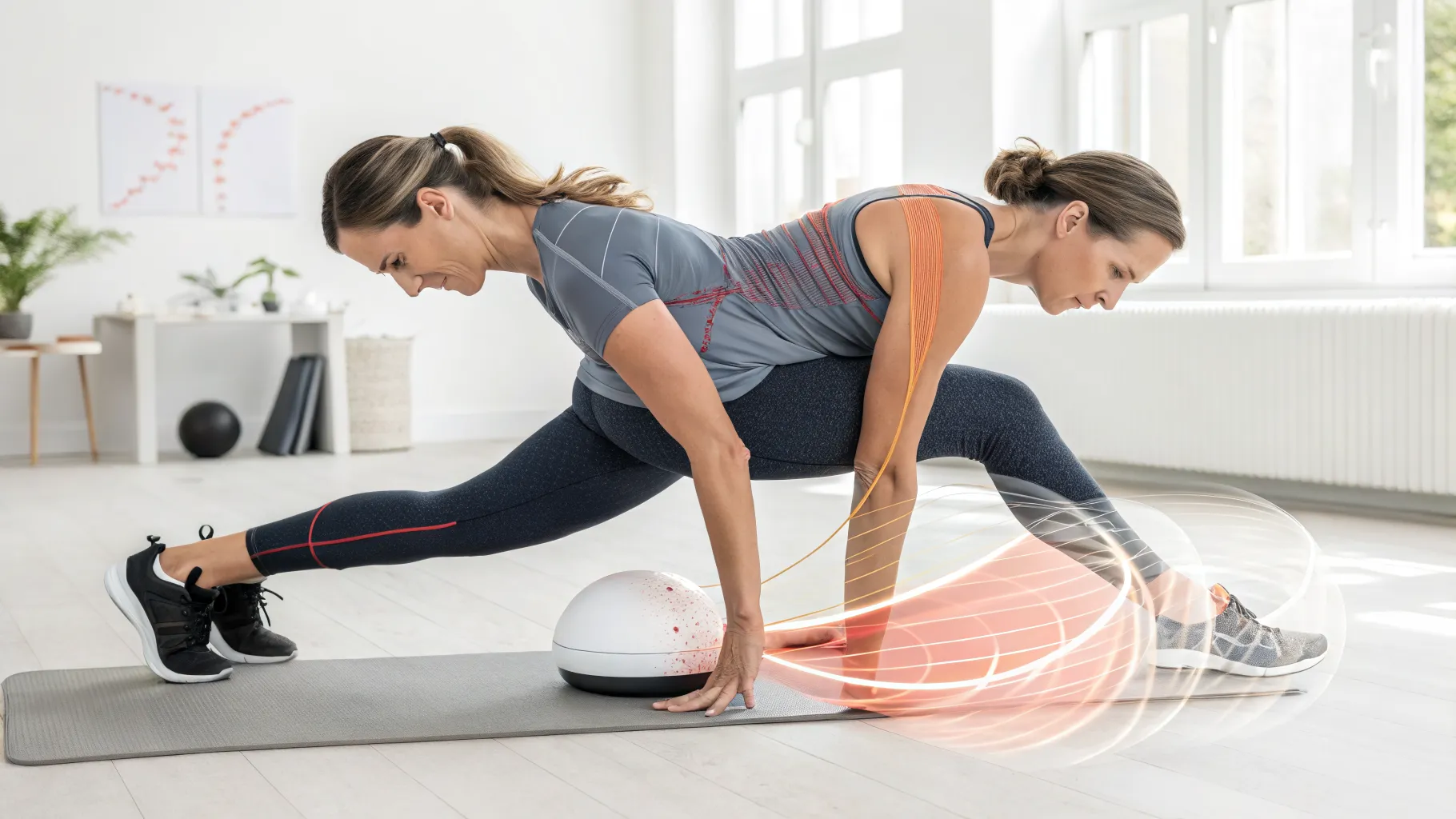
Understanding the Core Technology Behind Pelvic Floor Exercise Trainers
Pelvic floor exercise trainers operate on various principles, but many leverage advanced biofeedback technology to provide users with immediate information about their muscle contractions. This real-time feedback is crucial for effective training, as many individuals struggle to correctly identify and engage their pelvic floor muscles. Biofeedback can be visual, through an app interface displaying muscle activity, or tactile, through vibrations or pressure changes in the device itself. Some trainers also incorporate electrical stimulation (e-stim) to gently contract the muscles, which can be particularly beneficial for those with very weak pelvic floors or difficulty initiating contractions. The goal is always to empower the user to consciously control and strengthen these vital muscles.
Diverse Types and Their Working Principles
The market offers a range of pelvic floor exercise trainers, each with unique methodologies. Vaginal cones, for instance, work by requiring the user to contract their pelvic floor muscles to hold them in place, providing a tangible sense of muscle engagement and improving strength over time. Wearable devices, often inserted vaginally or anally, connect to smartphone apps that guide users through exercises and track their progress using pressure sensors. These apps transform Kegel exercises into interactive games, making the routine more engaging and encouraging consistent adherence. External devices also exist, which are placed on the perineum and use pressure sensors to detect contractions, offering a non-invasive option. Regardless of the type, the underlying principle is to provide resistance or feedback that facilitates the targeted strengthening of the pelvic floor muscles, thereby addressing issues like urinary incontinence.
Transformative Benefits and Key Applications of Pelvic Floor Training
The benefits of using pelvic floor exercise trainers extend far beyond merely stopping leaks. Strengthening the pelvic floor muscles can significantly improve bladder and bowel control, enhance sexual function and sensation for both men and women, and aid in recovery after childbirth or prostate surgery. For women, a strong pelvic floor supports internal organs and can prevent or alleviate pelvic organ prolapse. For men, it plays a crucial role in erectile function and ejaculatory control. The precise, guided exercises offered by these trainers ensure that users are performing Kegel exercises correctly and effectively, maximizing the positive impact on their health. This precision is often difficult to achieve with unguided exercises, making trainers invaluable for targeted improvement and long-term pelvic health.
Trainer vs. Traditional Kegels: A Comparative Analysis
While traditional, unassisted Kegel exercises are undoubtedly beneficial, the primary advantage of pelvic floor exercise trainers lies in their ability to provide objective feedback and guidance. Many individuals performing traditional Kegels may not be correctly engaging their pelvic floor muscles, instead using glutes, abs, or thigh muscles. This leads to ineffective training and frustration. Trainers, especially those with biofeedback technology, eliminate this guesswork. They provide visual or tactile cues that confirm correct muscle activation, allowing users to fine-tune their technique. Furthermore, trainers often come with structured programs that progress in difficulty, ensuring continuous challenge and improvement, something difficult to self-manage with unguided exercises. This structured approach accelerates results and builds confidence in the user's ability to control their pelvic health, especially when dealing with concerns like urinary incontinence.
Optimizing Your Pelvic Floor Trainer Experience
- Consult a Specialist: Before starting any new exercise regimen, especially for the pelvic floor, it is highly recommended to consult a pelvic floor physical therapist. They can assess your individual needs, identify any underlying issues, and recommend the most suitable trainer and exercise program for you.
- Read the Manual Thoroughly: Each trainer has specific instructions for setup, use, and maintenance. Understanding these details ensures correct and safe operation, preventing potential damage to the device or injury to yourself.
- Consistency is Key: Like any muscle training, consistency yields the best results. Aim for regular, short sessions rather than infrequent long ones. Most trainers recommend 5-15 minutes, 3-5 times a week, to build and maintain strength in your pelvic floor muscles.
- Combine with Breathwork: Integrating proper breathing techniques, such as diaphragmatic breathing, can enhance the effectiveness of your pelvic floor exercises. Inhaling to relax the pelvic floor and exhaling to contract it can improve muscle engagement and coordination.
- Listen to Your Body: Avoid overtraining, which can lead to muscle fatigue or discomfort. If you experience pain or unusual sensations, stop the exercise and consult your healthcare provider. Gradually increase intensity as your strength improves.
- Track Your Progress: Many trainers come with apps that track your progress. Utilize these features to stay motivated and adjust your routine as needed. Seeing measurable improvements can be a powerful motivator to continue your pelvic health journey, especially when targeting specific conditions like urinary incontinence.
Frequently Asked Questions
How do pelvic floor exercise trainers help with urinary incontinence?
Pelvic floor exercise trainers strengthen the muscles that support the bladder and urethra. By building up the endurance and strength of these pelvic floor muscles, they can better control the flow of urine, thereby reducing or eliminating symptoms of stress and urge incontinence. The guided feedback ensures effective targeting of the correct muscles for optimal results.
Are pelvic floor exercise trainers suitable for men?
Absolutely. While often associated with women's health, men also have pelvic floor muscles that can benefit from strengthening. Trainers can help men improve bladder control, especially after prostate surgery, enhance sexual function, and address issues like erectile dysfunction or premature ejaculation. Specific devices are designed for male anatomy.
Is biofeedback technology essential in a pelvic floor trainer?
While not strictly "essential" if you are already proficient at identifying and contracting your pelvic floor muscles, biofeedback technology is highly beneficial. It provides real-time visual or tactile feedback, ensuring you are correctly engaging the right muscles. This immediate feedback helps prevent incorrect muscle recruitment (e.g., using abs or glutes instead) and makes the exercises more effective and engaging, leading to faster progress.
How long does it take to see results from using a pelvic floor exercise trainer?
The time to see results varies depending on individual factors such as the initial strength of your pelvic floor muscles, consistency of use, and the severity of symptoms. However, many users report noticeable improvements in bladder control and muscle strength within a few weeks to a couple of months of consistent use (typically 3-5 times a week). Long-term commitment is key for sustained benefits.
References
- International Urogynecological Association (IUGA) guidelines on pelvic floor rehabilitation.
- Journal of Women's Health Physical Therapy studies on biofeedback efficacy.
- Clinical trials on pelvic floor muscle training for urinary incontinence.
- Reports from leading pelvic health organizations on innovative exercise devices.
- Academic publications on neuromuscular electrical stimulation for pelvic floor dysfunction.
Authored by 24Trendz team