Heart Attack Warning Signs: Recognizing Early Symptoms for Timely Action
Facts:
- Heart disease remains a leading cause of death globally.
- Early recognition of a cardiac event drastically improves outcomes for adults.
Understanding the Critical Heart Attack Warning Signs
Recognizing the heart attack warning signs is paramount for timely intervention and improved outcomes. A cardiac event can strike suddenly, but often, the body provides subtle yet critical indicators that should not be ignored. Learning to identify these signals can empower individuals to seek medical help swiftly, potentially saving lives and minimizing long-term damage to the heart. This comprehensive guide will delve into the various heart attack symptoms, from the overt to the more discreet, ensuring you are well-equipped for recognizing a heart attack.
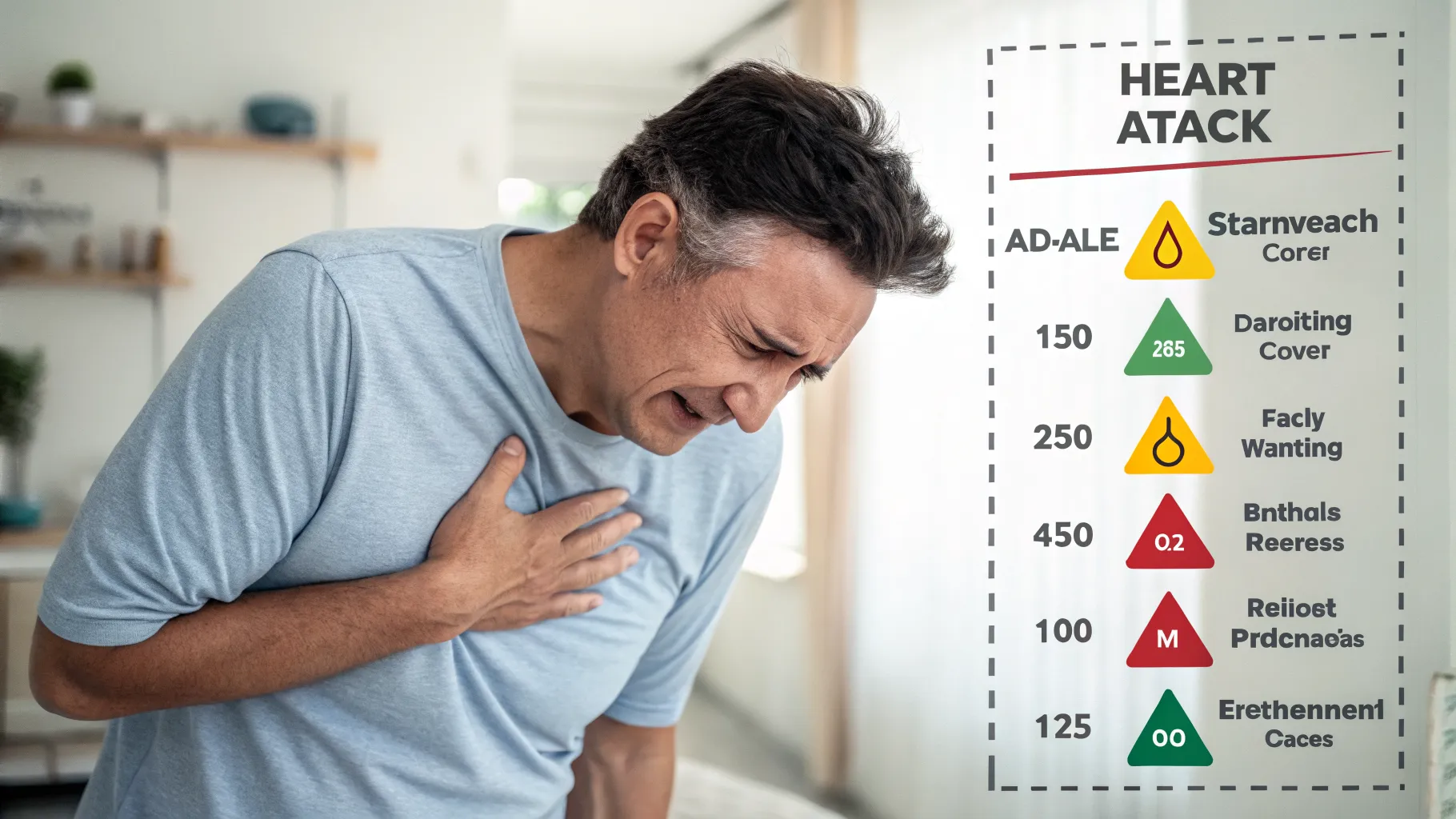
Common Heart Attack Warning Signs to Never Ignore
The most widely recognized heart attack warning signs revolve around discomfort in the chest. This chest pain is often described as pressure, tightness, squeezing, or aching. It can be mild or severe, and may last for a few minutes, or go away and come back. It's crucial to understand that not all chest pain indicates a heart attack, but it should always be investigated, especially when accompanied by other heart attack symptoms. The pain can radiate to other areas of the upper body, making it challenging to pinpoint. Understanding the nuances of this central symptom is the first step in recognizing a heart attack.
Discomfort in Other Areas of the Upper Body
While chest pain is primary, many individuals experience other heart attack warning signs. These can include pain or discomfort in one or both arms, particularly the left arm, or even the back, neck, jaw, or stomach. This referred pain occurs because the heart's nerve signals can be confused with those from other parts of the body. For instance, jaw pain might be dismissed as a dental issue, or back pain as muscle strain, delaying the recognition of a serious cardiac event. Being vigilant about any unexplained discomfort in these regions is vital for catching early warning signs.
Shortness of Breath and Accompanying Symptoms
Shortness of breath, medically known as dyspnea, is another significant among the heart attack warning signs. This can occur with or without chest pain. It might feel like you can't get enough air, or that you've just run a marathon when you haven't moved much at all. Accompanying symptoms can include cold sweats, nausea, or lightheadedness. These seemingly unrelated symptoms, when grouped together, paint a clearer picture of a potential cardiac event. Women, in particular, may experience these more subtle heart attack symptoms more frequently than the classic chest discomfort, making recognizing a heart attack even more complex.
Subtler Early Warning Signs That Are Often Missed
Beyond the more overt indicators, there are several early warning signs that are often overlooked or dismissed as less serious ailments. Unexplained fatigue, for example, especially in women, can be a precursor to a cardiac event. Similarly, indigestion or heartburn, though common, can sometimes be confused with the beginnings of a heart attack. If these symptoms are unusual for you, or appear alongside other discomfort, they warrant immediate attention as crucial heart attack warning signs. Persistent dizziness, lightheadedness, or sudden sweating without exertion are also critical indicators that require prompt medical evaluation for recognizing a heart attack.
Distinguishing Between a Heart Attack and Other Conditions
It can be challenging to differentiate between heart attack warning signs and symptoms of less serious conditions like acid reflux, anxiety attacks, or muscle strain. While acid reflux often causes a burning sensation that can mimic chest pain, it is typically relieved by antacids. Anxiety attacks can also manifest with chest tightness and shortness of breath, but these are usually accompanied by intense fear and often subside within minutes. Muscle strain pain is usually localized and worsens with movement. The key difference when considering a cardiac event is the combination of symptoms, their intensity, and their persistence. If there's any doubt about the nature of your chest pain or other heart attack symptoms, it's always safer to err on the side of caution and seek emergency medical attention. Prompt action can be the difference in effectively addressing early warning signs.
Risk Factors and Prevention of Heart Attacks
Beyond recognizing a heart attack by its immediate symptoms, understanding and mitigating risk factors is crucial for prevention. Several factors significantly increase the likelihood of a cardiac event, including high blood pressure, high cholesterol, diabetes, obesity, smoking, and a family history of heart disease. Lifestyle modifications play a pivotal role in reducing these risks. Regular physical activity, a balanced diet rich in fruits, vegetables, and whole grains, and maintaining a healthy weight can drastically lower your chances of experiencing heart attack warning signs. Quitting smoking is perhaps the single most impactful step for heart health, as smoking severely damages blood vessels. Regular medical check-ups are also essential for monitoring your health and managing any underlying conditions that could contribute to a cardiac event, thereby helping to prevent the onset of severe heart attack symptoms.
Immediate Actions to Take When Recognizing a Cardiac Event
Knowing what to do when you suspect a cardiac event is just as important as recognizing a heart attack itself. Swift, decisive action can significantly impact the outcome. Delaying medical attention can lead to irreversible heart damage or even death. Understanding these immediate steps is a critical component of responding to heart attack warning signs effectively.
- Call Emergency Services Immediately: Do not hesitate or try to drive yourself to the hospital. Calling 911 (or your local emergency number) is the fastest way to get life-saving treatment. Paramedics can begin treatment on the way to the hospital, which can be crucial.
- Chew and Swallow Aspirin (if not allergic): If you are not allergic to aspirin and have been told by a doctor it is safe for you, chew one regular-strength (325 mg) aspirin or four low-dose (81 mg) chewable aspirins. Aspirin can help prevent blood clotting, which can mitigate the severity of the cardiac event.
- Remain Calm and Rest: Loosen any tight clothing and try to stay as calm as possible. Avoid any strenuous activity, as this can increase your heart's workload. Sit or lie down in a comfortable position while waiting for emergency services to arrive.
- Do Not Self-Medicate with Other Drugs: Avoid taking any other medications unless specifically prescribed by a doctor for a heart condition. Do not ignore the escalating heart attack symptoms, thinking they will simply pass.
- Inform Emergency Personnel of Your Symptoms: Clearly communicate all your heart attack warning signs to the paramedics or emergency responders. This information is vital for them to provide the most appropriate and timely care for a suspected cardiac event.
Frequently Asked Questions
What are the most common heart attack warning signs?
The most common heart attack warning signs include crushing chest pain, discomfort radiating to the arm, shortness of breath, cold sweats, and nausea. However, symptoms can vary, and some individuals, especially women, may experience more subtle signs like unusual fatigue or indigestion.
Can early warning signs of a heart attack be mistaken for other conditions?
Yes, early warning signs of a heart attack can often be mistaken for less severe conditions such as acid reflux, anxiety attacks, or muscle pain. It's crucial to consider the combination of symptoms and their persistence. When in doubt, always seek immediate medical attention for any suspected cardiac event.
Is chest pain always a heart attack symptom?
While chest pain is a prominent heart attack symptom, it is not always indicative of a heart attack. Many other conditions, from indigestion to anxiety, can cause chest discomfort. However, any persistent or severe chest pain, particularly if accompanied by other heart attack warning signs, warrants immediate medical evaluation.
What should I do if I suspect I'm having a cardiac event?
If you suspect you are experiencing a cardiac event, call 911 or your local emergency number immediately. Chew aspirin if you are not allergic and have been advised it's safe. Remain calm, rest, and do not attempt to drive yourself to the hospital. Timely action is critical for recognizing a heart attack and improving outcomes.
References
- American Heart Association. (n.d.). Heart Attack Symptoms.
- Mayo Clinic. (n.d.). Heart attack.
- Centers for Disease Control and Prevention. (n.d.). Heart Disease.
Authored by 24Trendz team