Galapagos Islands Expedition: A Guide to Its Unforgettable Wildlife
Facts:
- The Galapagos Islands inspired Darwin's theory of evolution.
- Sustainable tourism is a growing trend for Galapagos explorers.
Embark on a Journey to Darwin's Living Laboratory
A Galapagos Islands Expedition is more than a vacation; it's a profound journey into a world that time seems to have forgotten. This isolated archipelago, a province of Ecuador, is a sanctuary for some of the most extraordinary creatures on the planet. Here, animals show no fear of humans, allowing for unparalleled up-close encounters. Planning this trip of a lifetime involves understanding the delicate balance of its unique ecosystems and how to explore them responsibly. This guide will navigate you through the essentials of preparing for an unforgettable adventure, where you will walk among giants, swim with penguins, and witness evolution in real time.
The Unparalleled Galapagos Wildlife: A Closer Look
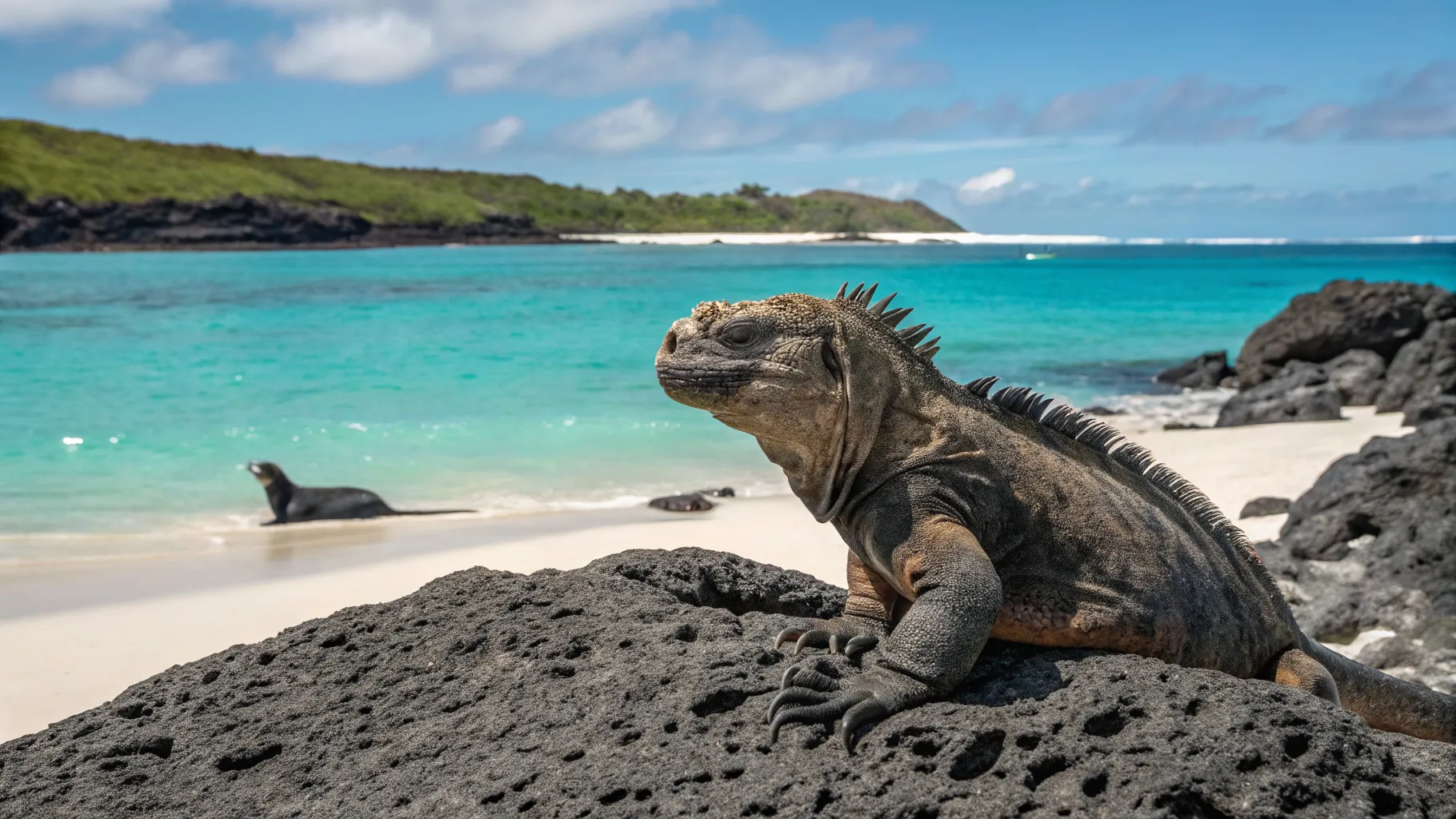
The main attraction of any Galapagos Islands Expedition is, without a doubt, the fearless and fascinating Galapagos wildlife. Unlike any other destination, the animals here have evolved in isolation, creating a living museum of natural history. You can expect to see the iconic giant tortoises lumbering through the highlands, marine iguanas sneezing salt after a deep dive, and playful sea lions zipping through the water around your boat. Birdwatchers are in for a particular treat, with species like the blue-footed booby performing its comical courtship dance. Of course, the islands are most famous for Darwin's finches, the small birds whose varied beak shapes were instrumental in shaping the theory of evolution by natural selection. Observing these creatures in their natural habitat offers a deep connection to the natural world and a powerful reminder of the planet's biodiversity.
Navigating the Archipelago: Choosing Your Expedition Style
There are primarily two ways to experience the Galapagos: a land-based tour or a live-aboard cruise. A land-based trip allows you to stay in hotels on the inhabited islands (like Santa Cruz, Isabela, and San Cristobal) and take day trips to nearby visitor sites. This option offers more flexibility and a chance to experience local culture. However, a live-aboard cruise is often considered the superior way to see the islands. These vessels, ranging from small yachts to larger expedition ships, travel between islands overnight, maximizing your time for exploration during the day. This method allows you to reach the more remote and pristine islands, offering a more immersive experience into the unique ecosystems of the archipelago. Your choice will depend on your budget, travel style, and which specific Galapagos wildlife you are most eager to see.
Essential Planning for Your Ecuador Travel Adventure
Preparation is key to a successful Galapagos Islands Expedition. Your journey will begin in mainland Ecuador, as all flights to the islands depart from Quito or Guayaquil. It's wise to build an extra day or two into your Ecuador travel itinerary to account for any potential travel delays. When packing for the Galapagos, think layers. The weather can change quickly, with warm, sunny days and cooler evenings. Essentials include lightweight clothing, a rain jacket, swimwear, sturdy walking shoes for volcanic trails, and plenty of high-SPF sunscreen. A good quality camera with a zoom lens is a must to capture the incredible Galapagos wildlife from a respectful distance. Also, remember to bring any necessary medications, as supplies are limited on the islands. Finally, ensure your passport is valid and check visa requirements for your Ecuador travel well in advance.
Conservation and Responsible Tourism in these Unique Ecosystems
The Galapagos are a UNESCO World Heritage site, and preserving their fragile environment is of utmost importance. As a visitor, you play a crucial role in this effort. All tours are led by licensed naturalist guides who enforce the strict rules of the Galapagos National Park. These rules include staying on marked trails, maintaining a minimum distance from animals, and not using flash photography. Choosing a reputable tour operator that prioritizes sustainability is vital. By participating in responsible tourism, you contribute to the conservation funds that protect these unique ecosystems for future generations. Your visit helps support the local economy and demonstrates that the preservation of Galapagos wildlife and its habitat is a global priority, ensuring that creatures like Darwin's finches continue to thrive.
Actionable Advice for Your Expedition
To make the most of your journey, consider these practical tips:
- Book in Advance: The best boats and guides for a Galapagos Islands Expedition are often booked up a year or more in advance, especially during peak seasons. Start planning early to secure your spot.
- Consider the Season: The Galapagos has two main seasons. The warm and wet season (December to May) is ideal for snorkeling and seeing green landscapes. The cool and dry season (June to November) brings more marine life due to nutrient-rich waters.
- Manage Seasickness: If you are prone to motion sickness, a live-aboard cruise can be challenging. Choose a larger, more stable vessel like a catamaran or bring medication recommended by your doctor.
- Cash is Important: While credit cards are accepted in some places on the main islands, many smaller shops and restaurants, as well as tips for your crew and guide, will require cash (US Dollars).
- Disconnect to Reconnect: Wi-Fi is slow, expensive, and often unreliable. Embrace the opportunity to disconnect from the digital world and fully immerse yourself in the incredible natural surroundings of the unique ecosystems.
Frequently Asked Questions
What is the best time of year for a Galapagos Islands Expedition?
There is no bad time to visit, as the wildlife is active year-round. Your choice depends on your interests. December to May is warmer with calmer seas, ideal for snorkeling. June to November is cooler, but the colder Humboldt Current brings richer marine life, making it a prime time for diving and observing whales and dolphins.
How close can I get to the Galapagos wildlife?
The Galapagos National Park rules mandate that you stay at least two meters (about six feet) away from the animals. However, the Galapagos wildlife is famously unafraid, and animals will often cross your path or approach you curiously. Your naturalist guide will ensure all interactions are safe and respectful for both you and the animals.
Is a trip to the Galapagos suitable for children?
Absolutely. A Galapagos Islands Expedition is a fantastic educational and inspiring trip for families. The up-close wildlife encounters are magical for all ages. Many cruise operators offer family-specific departures with kid-friendly activities and guides who are experienced with younger travelers.
Do I need to be in good physical shape for this trip?
A moderate level of fitness is recommended. Activities often involve 'wet' and 'dry' landings from small panga boats, hiking on uneven volcanic terrain, and opportunities for swimming and snorkeling. While there are no extremely strenuous activities, you should be comfortable with walking and being active for several hours a day.
References
- Galapagos National Park Directorate
- Charles Darwin Foundation
- UNESCO World Heritage Centre - Galapagos Islands
- Ecuador Ministry of Tourism
Authored by 24Trendz team