Understanding Frequent Heart Disease Indicators and Red Flags for Optimal Cardiovascular Health
Facts:
- Heart disease remains a leading cause of death globally.
- Early detection of cardiac warning signs significantly improves prognosis.
Recognizing Critical Frequent Heart Disease Indicators and Red Flags
Understanding the common and often subtle frequent heart disease indicators and red flags is paramount for maintaining optimal well-being. Many individuals unknowingly dismiss initial heart disease symptoms as minor ailments, delaying critical medical attention. This comprehensive guide aims to illuminate the crucial signs that demand immediate awareness, empowering you to identify potential issues and seek timely intervention for better cardiovascular health.
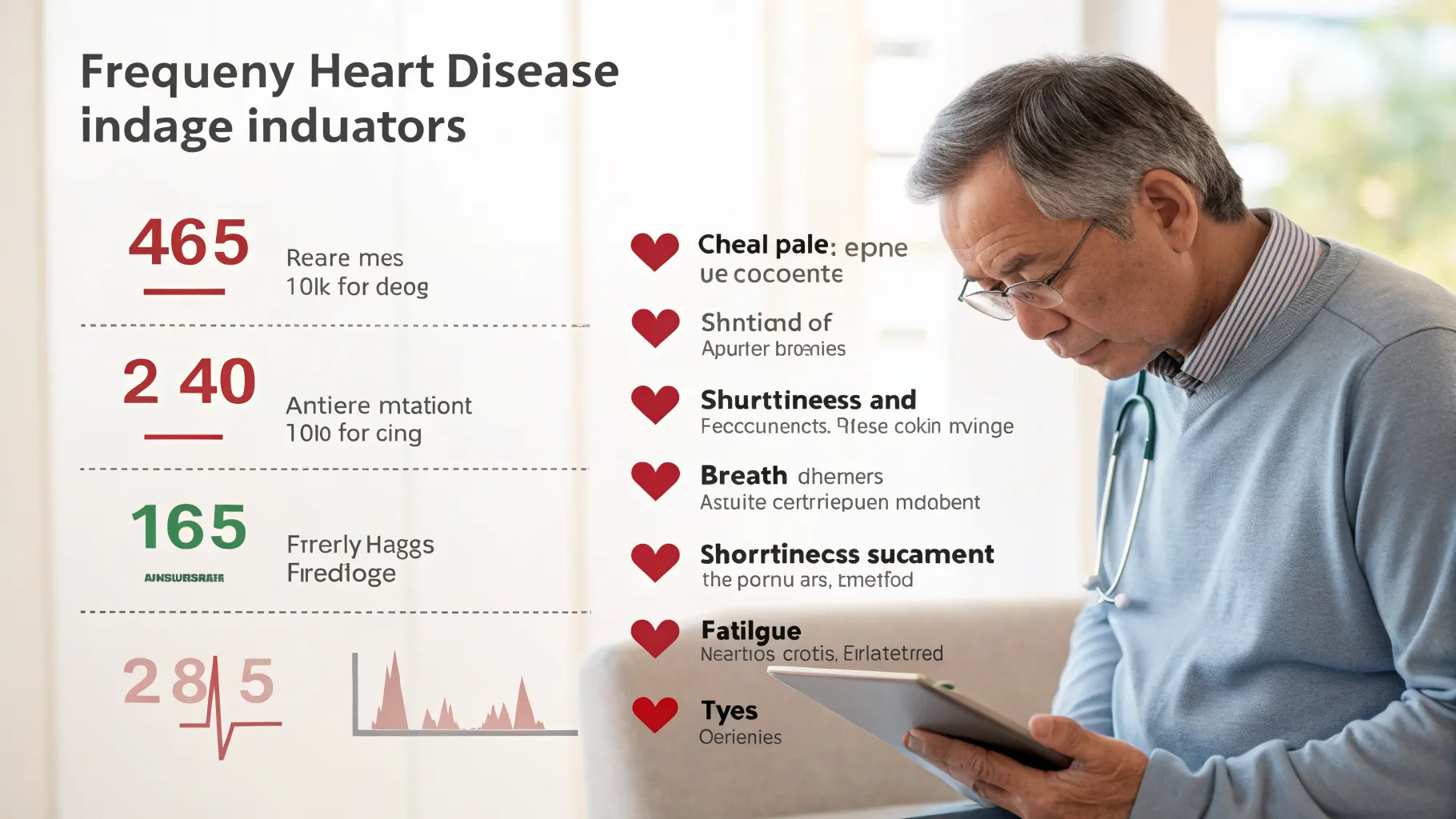
The Spectrum of Common Heart Disease Symptoms
Delving deeper into heart disease symptoms reveals a broad spectrum, ranging from obvious discomforts to insidious, less noticeable changes in bodily function. It's crucial to understand that these symptoms can manifest differently in individuals, influenced by age, gender, and overall health status. For instance, while men might experience classic crushing chest pain, women often report subtler signs like fatigue, nausea, or discomfort in the jaw or back. Recognizing these nuances is vital for prompt identification of cardiac warning signs and timely medical consultation. Persistent fatigue that isn't relieved by rest, unexplained weakness, or a general feeling of being unwell should never be ignored, especially when accompanied by other potential indicators of compromised cardiovascular health. Understanding how these symptoms relate to daily activities, such as exertional pain or shortness of breath during light tasks, provides invaluable clues to the underlying condition.
Chest Pain and Discomfort: More Than Just a Squeeze
Chest pain, medically known as angina, is perhaps the most recognized of all frequent heart disease indicators and red flags. However, it's not always a dramatic, crushing sensation. Angina can present as pressure, tightness, squeezing, burning, or aching in the chest. This discomfort may radiate to the arms (especially the left), back, neck, jaw, or stomach. It often worsens with physical exertion or emotional stress and typically subsides with rest or medication like nitroglycerin. It is imperative to distinguish between benign chest discomfort and pain that signals early heart attack signs. Any new, worsening, or persistent chest discomfort warrants immediate medical evaluation to rule out serious cardiac events. The character and duration of the pain, along with associated symptoms, are key in assessing its cardiac origin. Patients often describe it as a heavy weight or a band tightening around their chest, which differentiates it from a sharp, localized pain that might indicate musculoskeletal issues. Ignoring these vital cardiac warning signs can have severe consequences, emphasizing the need for professional medical advice.
Shortness of Breath and Fatigue: Silent Signals
Dyspnea, or shortness of breath, particularly when it occurs at rest or with minimal exertion, is a critical among frequent heart disease indicators and red flags. It can be a sign that the heart is not pumping enough blood to meet the body's demands, leading to fluid buildup in the lungs. Accompanying this is often profound fatigue, a tiredness that doesn't improve with rest and interferes with daily activities. Unlike normal tiredness, this fatigue can be overwhelming and may be an early heart attack sign, especially in women. Both symptoms indicate that the body's systems, particularly those dependent on robust cardiovascular health, are under strain. Patients might notice they get winded more easily climbing stairs or walking short distances than they used to. This progressive decline in exercise tolerance, combined with chronic tiredness, should prompt an investigation into potential cardiac issues. The body's inability to recover from minor exertions is a profound indicator that something is amiss with its fundamental pumping mechanism. Early recognition of these heart disease symptoms allows for interventions that can prevent further progression.
Understanding Early Heart Attack Signs Beyond the Movies
The cinematic portrayal of heart attacks often focuses exclusively on sudden, severe chest pain. However, real-life early heart attack signs can be far more varied and subtle, making them easy to miss or misattribute to other conditions. It's essential for everyone to be aware of these diverse presentations, as timely recognition is absolutely critical for survival and minimizing cardiac damage. Some individuals, particularly those with diabetes, may experience a "silent" heart attack with no discernible symptoms at all, further complicating early detection. The insidious nature of some of these indicators underscores the importance of regular health check-ups and open communication with healthcare providers about any new or unusual bodily changes. Awareness of subtle frequent heart disease indicators and red flags is a proactive step towards better long-term outcomes and preserving robust cardiovascular health.
Discomfort in Other Areas: Referred Pain Patterns
Beyond the chest, discomfort in other areas of the upper body is a significant collection of early heart attack signs. This referred pain can manifest in one or both arms (often the left), the back, neck, jaw, or stomach. It might feel like an ache, numbness, or pressure. This happens because nerves from the heart and other parts of the body share pathways to the brain, causing the brain to misinterpret the source of the pain. For instance, jaw pain, particularly when combined with other subtle heart disease symptoms, should never be ignored. Similarly, upper back pain that isn't muscular in origin can be a critical cardiac warning sign. These symptoms are especially prevalent in women, who may experience these atypical presentations more frequently than classic chest pain. Understanding these patterns is key to identifying potential emergencies even when the classic picture of a heart attack is absent, thus bolstering efforts towards optimal cardiovascular health.
Nausea, Vomiting, and Lightheadedness: Atypical Presentations
Nausea, vomiting, and lightheadedness are often dismissed as digestive issues or signs of fatigue, but they can be crucial early heart attack signs, especially when appearing suddenly and without clear cause. Lightheadedness, or feeling faint, may indicate that the heart isn't pumping enough blood to the brain. These gastrointestinal symptoms are particularly common in women experiencing a heart attack, where they may be mistaken for indigestion or a stomach bug. Any unexplained onset of these symptoms, particularly when accompanied by other frequent heart disease indicators and red flags such as shortness of breath or arm discomfort, warrants immediate medical evaluation. Ignoring these seemingly benign symptoms can have severe consequences, as they can be direct indicators of a compromised blood supply to the heart. Prompt recognition and action are paramount for preserving cardiovascular health and improving outcomes during a cardiac event.
Risk Factors for Heart Disease: What Increases Your Vulnerability?
Identifying and managing risk factors for heart disease is as critical as recognizing its symptoms. A combination of lifestyle choices, genetic predispositions, and pre-existing medical conditions significantly increases an individual's vulnerability to cardiac events. Understanding these factors allows for targeted preventative strategies and lifestyle modifications that can profoundly impact long-term cardiovascular health. It is not just about genetics; many of these factors are within an individual's control, offering opportunities for significant improvement. Proactive management of these risks is a cornerstone of preventing the onset and progression of heart disease, effectively reducing the chances of experiencing severe cardiac warning signs in the future.
Modifiable Risk Factors: Lifestyle Choices with Impact
Several significant risk factors for heart disease are entirely within an individual's control, offering powerful avenues for prevention. High blood pressure, high cholesterol, smoking, obesity, physical inactivity, and uncontrolled diabetes are prime examples. Regular physical activity, a balanced diet rich in fruits, vegetables, and whole grains, maintaining a healthy weight, and avoiding tobacco products can dramatically reduce the likelihood of developing heart disease symptoms. Regular monitoring of blood pressure and cholesterol levels, along with adherence to prescribed medications, are also crucial. Addressing these modifiable factors proactively can significantly enhance cardiovascular health and minimize the occurrence of alarming cardiac warning signs. Small, consistent changes in daily habits can lead to substantial long-term benefits for the heart, preventing the progression towards more serious conditions.
Non-Modifiable Risk Factors: Understanding Your Predisposition
While some risk factors for heart disease can be altered, others, such as age, gender, and family history, are non-modifiable. The risk of heart disease generally increases with age, and certain genetic predispositions can make individuals more susceptible. For example, a family history of early heart attack signs or other cardiac events can indicate an increased personal risk. While these factors cannot be changed, being aware of them allows for more vigilant monitoring and proactive management of modifiable risks. Individuals with a strong family history of heart disease should discuss their concerns with a healthcare provider to establish a personalized screening and prevention plan. This might involve earlier and more frequent screenings for heart disease symptoms and aggressive management of any existing modifiable risk factors to safeguard their cardiovascular health against genetic predispositions.
When to Seek Immediate Medical Attention: Don't Delay!
Recognizing frequent heart disease indicators and red flags is crucial, but knowing when to act immediately can be life-saving. Any suspicion of early heart attack signs warrants an emergency response. Time is muscle when it comes to cardiac events, and delaying treatment can lead to irreversible heart damage or even death. Do not try to "tough it out" or wait for symptoms to subside. Even if the symptoms are mild or you are unsure, it is always better to err on the side of caution. Prompt medical evaluation can make a significant difference in outcomes, ensuring that appropriate interventions are initiated without delay and preserving maximum cardiovascular health.
- Sudden Chest Pain or Discomfort: If you experience new, severe, or worsening chest pain, especially if it spreads to your arm, back, neck, jaw, or stomach, call emergency services immediately. This is a primary cardiac warning sign and should not be ignored.
- Severe Shortness of Breath: Acute difficulty breathing, particularly if it comes on suddenly or at rest, is a critical emergency. It could indicate heart failure or a heart attack and requires urgent medical attention.
- Unexplained Weakness or Dizziness: If you suddenly feel extremely weak, lightheaded, or faint, and these symptoms are not explained by other conditions, it could be an early heart attack sign.
- Cold Sweats, Nausea, or Vomiting: These symptoms, especially when combined with chest discomfort or shortness of breath, can signal a heart attack. Do not dismiss them as simple indigestion or flu.
- Persistent Palpitations: While occasional skipped beats are common, persistent, rapid, or irregular heartbeats accompanied by dizziness or chest pain could indicate a serious cardiac arrhythmia. Seek medical advice.
Frequently Asked Questions
What are the most common heart disease symptoms?
The most common heart disease symptoms include chest pain or discomfort (angina), shortness of breath (dyspnea), fatigue, pain radiating to the arms, back, neck, jaw, or stomach, and lightheadedness. However, symptoms can vary, and it's important to recognize that women and individuals with certain conditions like diabetes may experience atypical presentations. Always consult a healthcare professional if you suspect any cardiac issues.
Can stress cause cardiac warning signs?
Yes, significant stress can contribute to cardiac warning signs and worsen existing heart conditions. Stress can elevate blood pressure, increase heart rate, and lead to poor lifestyle choices that exacerbate risk factors for heart disease. While stress itself isn't typically an immediate cause of a heart attack, chronic stress can have a detrimental effect on overall cardiovascular health and may trigger or exacerbate symptoms in vulnerable individuals.
How can I improve my cardiovascular health?
Improving your cardiovascular health involves adopting a heart-healthy lifestyle. This includes regular physical activity (at least 150 minutes of moderate-intensity exercise per week), a balanced diet low in saturated fats, trans fats, cholesterol, and sodium, maintaining a healthy weight, avoiding smoking, managing stress, and regularly monitoring blood pressure and cholesterol levels. Addressing risk factors for heart disease proactively is key.
Are early heart attack signs different for women?
Yes, early heart attack signs can often be different for women compared to men. While chest pain is still a primary symptom, women are more likely to experience subtle signs such as unusual fatigue, shortness of breath, nausea, vomiting, and discomfort in the back, neck, or jaw. These less typical symptoms are often overlooked or attributed to other causes, leading to delayed treatment. Awareness of these differences is crucial for timely diagnosis and intervention.
When should I be concerned about frequent heart disease indicators and red flags?
You should be concerned about frequent heart disease indicators and red flags if they are new, unexplained, persistent, or worsening. Any sudden onset of chest pain, severe shortness of breath, dizziness, or radiating pain to the upper body warrants immediate medical attention. It's always best to consult a doctor if you have any concerns about your heart health, as early detection and intervention can significantly improve outcomes and prevent serious complications.
References
- American Heart Association. Warning Signs of a Heart Attack.
- Mayo Clinic. Heart Disease.
- Centers for Disease Control and Prevention. Heart Disease Facts.
- National Heart, Lung, and Blood Institute. What is Heart Disease?
Authored by 24Trendz team