Exploring the Scandinavian Capitals: A Journey Through Nordic Culture and Charm
Embarking on a tour of the Scandinavian capitals provides a unique opportunity to immerse oneself in the distinctive cultures, rich histories, and stunning urban landscapes of Northern Europe. Each capital city—Copenhagen, Oslo, and Stockholm—presents its own individual charm, blending historical architecture with modern design, vibrant city life with serene natural surroundings. Travelers can expect an experience that combines efficient public transport, world-class museums, delicious local cuisine, and a deep appreciation for sustainability and quality of life.
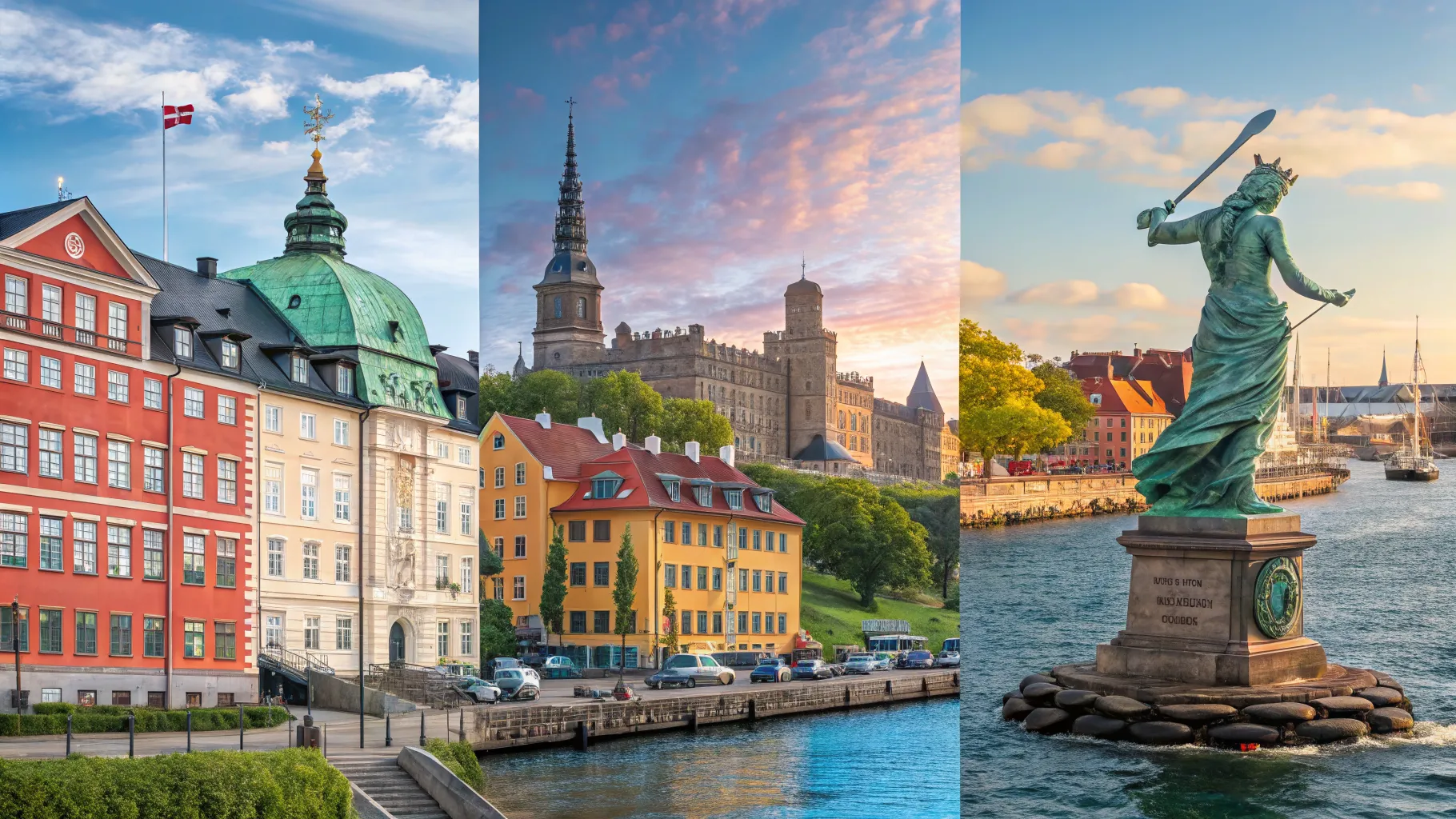
The Allure of the Nordic Capitals
The capitals of Scandinavia are renowned for their high quality of life, innovative design, and commitment to environmental consciousness. While distinct, they share a common thread of Nordic heritage, often characterized by functional aesthetics, strong social structures, and a deep connection to nature. Visitors frequently find themselves captivated by the blend of old-world charm, seen in cobblestone streets and historic palaces, and the cutting-edge modernity evident in contemporary architecture and thriving arts scenes.
These cities are not just historical hubs but also dynamic centers of innovation and culture. From groundbreaking culinary scenes to impressive art and design institutions, the Scandinavian capitals offer a sophisticated yet welcoming environment for exploration. Planning a tour across these cities allows for a comprehensive understanding of the diverse facets that make up the Nordic identity.
Copenhagen: Denmark's Hygge Heart
Copenhagen, the capital of Denmark, is often celebrated for its 'hygge' atmosphere—a concept encompassing coziness, comfort, and contentment. The city effortlessly blends historical grandeur with contemporary cool. Iconic sights include the colorful houses of Nyhavn, the whimsical Tivoli Gardens, and the majestic Amalienborg Palace, home to the Danish Royal Family. Exploring the city by bicycle, its preferred mode of transport, offers an authentic local experience.
Beyond its well-known landmarks, Copenhagen boasts a vibrant culinary scene, from traditional Danish pastries and open-faced sandwiches (smørrebrød) to Michelin-starred restaurants pushing the boundaries of New Nordic cuisine. The city's design legacy is evident in its architecture and interior spaces, while areas like Christiania offer a glimpse into alternative lifestyles. Visitors will find Copenhagen to be a highly walkable and navigable city, with an emphasis on pedestrian-friendly zones.
Oslo: Norway's Nature-Infused Hub
Norway's capital, Oslo, stands out for its unique proximity to stunning natural landscapes. Nestled between a fjord and rolling forests, the city offers unparalleled opportunities for outdoor activities, even within its urban limits. Attractions like the Vigeland Sculpture Park, the Viking Ship Museum (currently closed for redevelopment, with collections moved to the Museum of Cultural History), and the Oslo Opera House showcase the city's rich history and modern architectural ambition.
Oslo’s waterfront area has undergone significant regeneration, transforming old industrial sites into lively cultural spaces and recreational areas. From the historic Akershus Fortress to the contemporary Astrup Fearnley Museum of Modern Art, the city presents a compelling mix of past and present. The surrounding fjords and hills provide a dramatic backdrop and are easily accessible for hiking, skiing, or boating adventures, making Oslo a perfect blend of urban and wilderness exploration.
Stockholm: Sweden's Archipelago City
Spread across 14 islands connected by 57 bridges, Stockholm, the capital of Sweden, is often referred to as the 'Venice of the North.' Its unique geography offers breathtaking waterfront views at almost every turn. The charming cobblestone streets of Gamla Stan (Old Town) are home to the Royal Palace, Nobel Museum, and various historic churches, providing a deep dive into Swedish history.
Stockholm is a city that seamlessly blends historical heritage with contemporary urban life. Beyond Gamla Stan, areas like Södermalm offer bohemian charm, while Östermalm exudes elegance. The Vasa Museum, housing a remarkably preserved 17th-century warship, is a must-see, as is the ABBA The Museum for music enthusiasts. The archipelago itself, with its thousands of islands, is a major draw, offering day trips and opportunities to experience Sweden's natural beauty just a short ferry ride from the city center.
Planning Your Scandinavian Capitals Tour
When planning a tour of Scandinavia's capitals, several practical considerations can enhance the experience. The most common way to travel between Copenhagen, Oslo, and Stockholm is by train, which offers scenic routes and comfortable journeys. Flights are also an option for faster travel. It is generally recommended to allocate at least 2-3 full days for exploring each capital to fully appreciate their attractions without feeling rushed.
The best time to visit often depends on personal preference. Summer (June-August) offers long daylight hours, pleasant weather, and a vibrant outdoor atmosphere, though it is also the peak tourist season. Spring and autumn provide cooler temperatures and fewer crowds, with beautiful foliage in the fall. Winter transforms the cities into festive wonderlands, especially during the Christmas season, albeit with shorter daylight hours and colder weather.
Beyond the Main Three: Nordic Capital Extensions
While Copenhagen, Oslo, and Stockholm form the core of a Scandinavian capitals tour, travelers with more time might consider extending their journey to include other Nordic capitals, such as Helsinki, Finland, and Reykjavik, Iceland. Although not strictly part of Scandinavia (Finland is Nordic, Iceland is Nordic but geographically distinct), they offer equally captivating experiences.
- Helsinki, Finland: Known for its distinctive design aesthetic, vibrant markets, and unique blend of Eastern and Western influences. The city offers impressive architecture, numerous saunas, and a beautiful archipelago.
- Reykjavik, Iceland: The world's northernmost capital, Reykjavik serves as a gateway to Iceland's dramatic landscapes, including geysers, hot springs, and the Northern Lights. The city itself is a hub of culture, music, and cozy cafes.
These additions can enrich a Nordic itinerary, providing a broader perspective on the region's diverse cultures and natural wonders.
Tips for a Memorable Nordic Journey
To make the most of your Scandinavian capitals tour, consider a few key tips. Purchasing a city pass in each capital can offer good value for money, providing free entry to attractions and unlimited public transport. Tipping customs are generally more relaxed than in other parts of the world, with service charges often included in prices; rounding up the bill is common for good service but not obligatory. Learning a few basic phrases in Danish, Norwegian, or Swedish can also be a delightful gesture, though English is widely spoken.
Finally, embrace the local lifestyle. Enjoy Fika (a coffee break with a sweet treat) in Sweden, experience the 'hygge' of Denmark, and explore Norway's connection to the outdoors. These cultural immersion points will transform your trip from a simple sightseeing tour into a truly memorable Nordic adventure.
Authored by 24Trendz team