Exploring the Mystique: A Guide to Morocco Desert Tours
Morocco, a land of vibrant culture and stunning landscapes, is perhaps best known for its captivating deserts. Venturing into the Sahara or its extensions is a journey into an ancient world, where infinite sand dunes meet starlit skies and the rhythm of nomadic life continues. Desert tours provide a unique opportunity to immerse oneself in this mystical environment, offering a profound contrast to the bustling cities and coastal towns.
The Allure of Morocco's Deserts
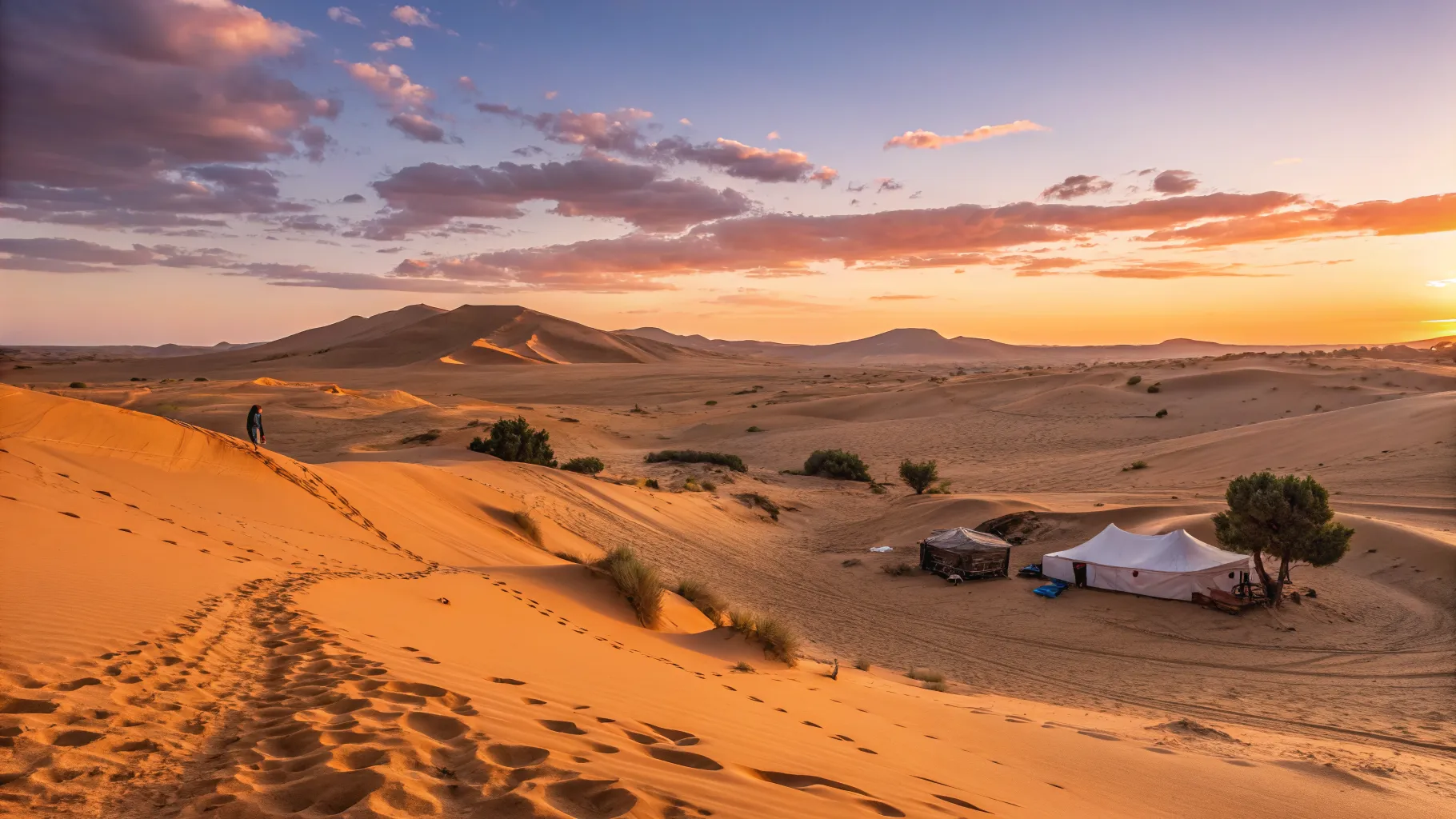
The Moroccan desert is not a singular entity but a diverse region encompassing different types of arid landscapes, primarily the Erg Chebbi and Erg Chigaga dunes, which are extensions of the vast Sahara. These areas offer distinct experiences, from the towering, classic sandscapes to more rugged, rocky terrains. The allure lies in the sheer scale and beauty of the environment, the profound silence, and the opportunity to connect with a way of life that has endured for centuries.
Beyond the visual spectacle, the desert presents a chance for introspection and adventure. Travelers can experience camel treks across the dunes, witness mesmerizing sunsets and sunrises that paint the sky in fiery hues, and spend nights under a canopy of countless stars, far removed from light pollution. It's an environment that encourages slowing down and appreciating the natural world.
Popular Desert Destinations: Erg Chebbi and Erg Chigaga
When considering a Moroccan desert tour, two primary dune fields typically come to mind: Erg Chebbi near Merzouga and Erg Chigaga near M'hamid El Ghizlane. Both offer quintessential desert experiences but have their own unique characteristics and accessibility.
Erg Chebbi: Known for its dramatic, soaring golden dunes, Erg Chebbi is more easily accessible and often features larger, more established desert camps. Its proximity to roads makes it a popular choice for those seeking comfort alongside adventure. Tours usually depart from towns like Merzouga, offering a variety of options from short camel rides to multi-day excursions.
Erg Chigaga: For a more remote and authentic experience, Erg Chigaga is often the preferred choice. These dunes are larger and wilder, requiring a longer 4x4 journey to reach. The camps here tend to be smaller and more rustic, appealing to travelers looking to truly disconnect and venture off the beaten path into a less trafficked part of the Sahara.
Types of Desert Tours Available
Morocco offers a wide array of desert tour options designed to cater to different budgets, timeframes, and levels of adventure. Understanding the variations can help travelers choose the journey that best suits their preferences.
Common tour types include:
Short Excursions: These typically last a few hours, often involving a sunset or sunrise camel trek from the edge of a desert town like Merzouga, concluding with a traditional meal or tea. They are ideal for those with limited time or who prefer a brief taste of the desert.
Overnight Stays: The most popular option, overnight tours include a camel trek to a desert camp, dinner, stargazing, traditional music around a campfire, and sleeping in a tent, followed by breakfast and a return journey. These can range from basic to luxury camps.
Multi-Day Treks: For a deeper immersion, multi-day tours often involve extended camel treks, exploring different parts of the dunes, and visiting various camps or even wild camping. These tours provide a more profound sense of solitude and connection with the desert environment.
4x4 Expeditions: For those who prefer to cover more ground or reach more remote areas like Erg Chigaga, 4x4 tours are an excellent option. They can be combined with camel treks and offer a dynamic way to experience the desert's diverse landscapes.
What to Expect on a Desert Tour
A desert tour is an experience unlike any other, and knowing what to expect can help travelers prepare and fully enjoy their journey. While specific details vary by operator and tour length, some elements are generally consistent across most desert adventures.
Expect breathtaking scenery, from vast expanses of sand to rocky plains and oases. The pace of life slows down, with activities often centered around sunrise, sunset, and mealtimes. You will likely enjoy traditional Berber hospitality, including delicious local cuisine and mint tea. Nights are often spent under incredibly clear, star-filled skies, possibly accompanied by traditional music played by your hosts. While the environment is beautiful, it can also be challenging with temperature extremes and dusty conditions.
Preparing for Your Desert Adventure
Proper preparation is key to a comfortable and enjoyable desert tour. The desert environment presents unique considerations that differ from typical city travel.
Consider packing the following:
Layered Clothing: Days can be hot, but nights in the desert can become surprisingly cold, especially in cooler months. Pack layers that can be added or removed easily.
Sun Protection: A wide-brimmed hat, sunglasses, and high-SPF sunscreen are essential to protect against intense desert sun.
Comfortable Shoes: Closed-toe shoes are recommended for walking in sand and around camp. Sandals might be useful for comfort in the evening but offer less protection.
Scarf or Headwrap: A versatile scarf can protect from sun, wind, and sand, and is culturally appropriate in many areas.
Water Bottle: Staying hydrated is crucial. While tours provide water, having your own reusable bottle is environmentally friendly.
Small Backpack: For day use, to carry essentials like water, camera, and a jacket.
Basic Toiletries: Camps typically have basic facilities, but personal hygiene items are always a good idea.
Cash: For small purchases, tips, or emergencies.
Choosing the Right Tour Operator
Selecting a reputable and reliable tour operator is paramount for a safe and memorable desert experience. The quality of your tour can significantly depend on the professionalism and expertise of the company you choose.
When researching operators, look for those with a strong track record and positive reviews from previous travelers. Inquire about the size of their groups, the quality of their equipment (4x4 vehicles, tents, bedding), and their safety protocols. It's also beneficial to choose operators who demonstrate an understanding of responsible tourism practices, respecting both the environment and local communities. Transparency in pricing and what is included in the tour package is also an important factor to consider.
Best Time to Visit
The timing of your desert tour can significantly impact your experience, as the Moroccan desert experiences considerable temperature variations throughout the year. Choosing the right season ensures more comfortable conditions for exploration and relaxation.
Generally, the best time to visit the Moroccan desert is during the shoulder seasons:
Autumn (September to November): After the intense summer heat, temperatures become pleasant for daytime activities, and nights are cool and clear. This is often considered an ideal time.
Spring (March to May): Similar to autumn, spring offers comfortable temperatures before the summer heat sets in. The desert can sometimes see wildflowers during this period, adding a touch of color.
Winter (December to February) can be quite cold, especially at night, though daytime temperatures are often mild and sunny. Summer (June to August) is extremely hot, with temperatures often exceeding 40°C (104°F), making daytime activities challenging and less enjoyable. While tours still operate, many travelers prefer to avoid the peak summer months.
Responsible Tourism in the Moroccan Desert
Exploring the desert comes with a responsibility to preserve its fragile ecosystem and respect the local cultures. Travelers can contribute to sustainable tourism by making conscious choices during their visit.
This includes minimizing your environmental footprint by not leaving any trash behind and sticking to designated paths to protect the delicate desert flora and fauna. Respecting local customs and traditions, particularly when interacting with nomadic communities, is also important. This might involve dressing modestly, asking for permission before taking photographs, and engaging in respectful bartering. By being mindful and responsible, visitors help ensure that the unique beauty and cultural heritage of the Moroccan desert can be enjoyed by future generations.
Authored by 24Trendz team