Exploring the Ancient Worlds: A Guide to Italy and Greece Tours
Italy and Greece, two cornerstones of Western civilization, beckon travelers with their unparalleled historical sites, breathtaking natural beauty, and delectable cuisines. A combined tour of these Mediterranean gems allows visitors to immerse themselves in millennia of art, architecture, and cultural heritage. From the Roman Forum to the Athenian Acropolis, and the Tuscan hills to the Aegean islands, these journeys offer a deep dive into some of the world's most iconic destinations.
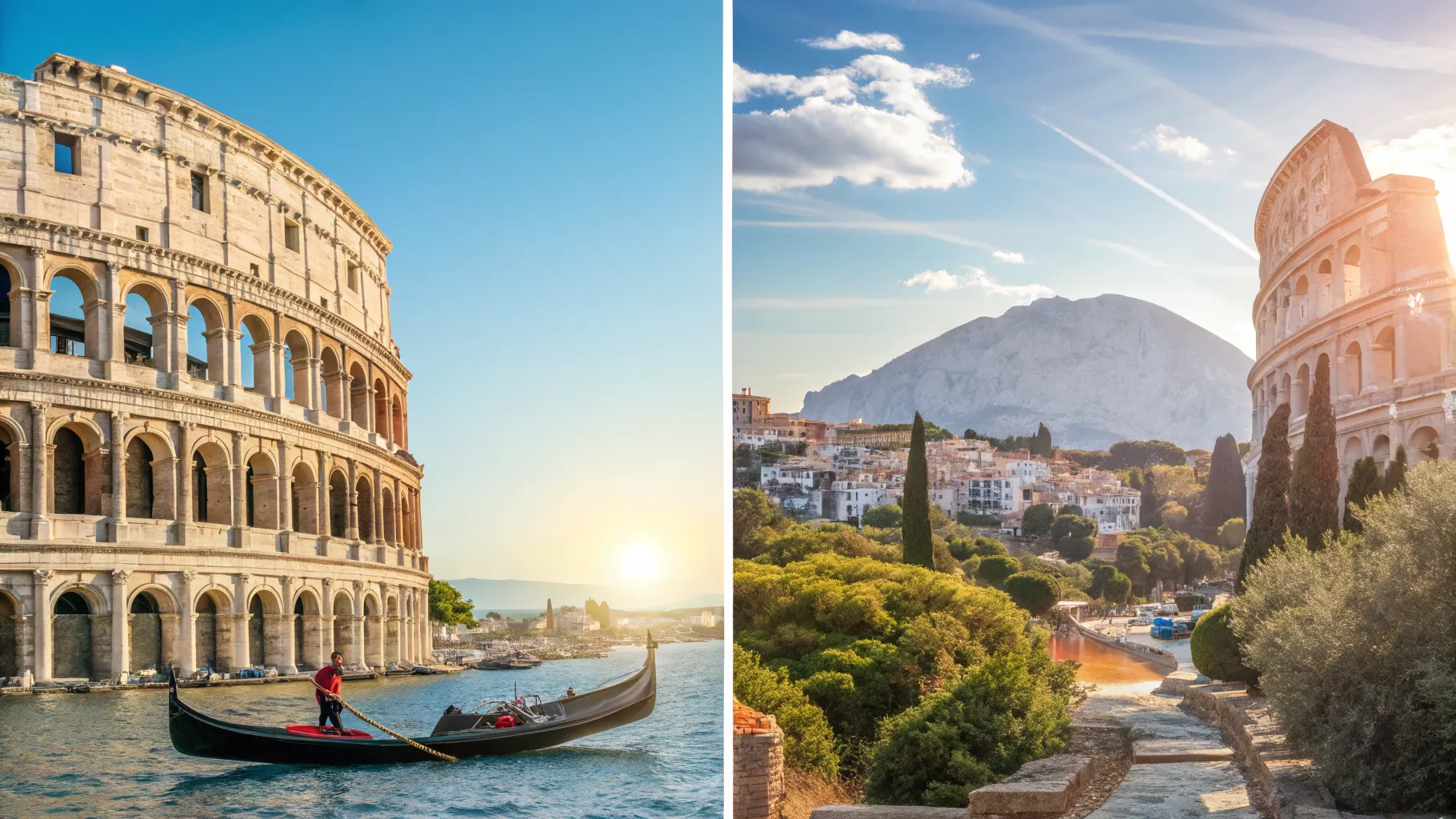
Why Combine Italy and Greece?
The decision to explore Italy and Greece together is often driven by a desire to experience the cradle of Western civilization. Both nations share a profound influence on art, philosophy, democracy, and architecture, yet each offers distinct cultural nuances and landscapes. Travelers can seamlessly transition from the grandeur of ancient Rome to the mythological landscapes of Greece, observing the evolution of empires and ideas.
Beyond historical connections, combining these destinations allows for a varied travel experience. Italy captivates with its Renaissance art, charming medieval towns, and world-renowned gastronomy, while Greece enchants with its island-hopping adventures, pristine beaches, and ancient ruins steeped in myth. This duality ensures a dynamic itinerary that appeals to a wide range of interests, from history buffs and art lovers to those seeking relaxation and natural beauty.
Types of Tours Available
When planning a combined trip to Italy and Greece, travelers will find a spectrum of tour types designed to suit different preferences and budgets. Understanding these options is the first step toward choosing the ideal journey.
- Guided Group Tours: These tours are perhaps the most common, offering a structured itinerary with a professional tour manager. They typically include accommodation, transportation between cities, some meals, and entrance fees to major sites. Group sizes can vary from small, intimate groups to larger coach tours.
- Private Tours: For those seeking greater flexibility and a more personalized experience, private tours provide a dedicated guide and driver. These can be customized to specific interests, allowing travelers to set their own pace and explore off-the-beaten-path destinations.
- Independent or Self-Guided Tours: Some companies offer packages that include accommodation and transfers, but allow travelers to explore each destination independently. This option provides freedom while still handling the logistical aspects of travel.
- Cruise-Based Tours: A popular way to see both countries, particularly their coastal and island regions, is via a cruise. These often combine visits to major Italian ports like Rome (Civitavecchia) and Venice with Greek islands and mainland cities like Athens and Santorini.
Popular Itineraries and Destinations
Most Italy and Greece tours begin in one of the major gateway cities, such as Rome or Athens, and proceed to other key historical and cultural hubs. In Italy, common inclusions are Rome (for the Colosseum, Vatican City, Roman Forum), Florence (for Renaissance art and Tuscan landscapes), and Venice (for its canals and unique architecture). Some tours may extend to the Amalfi Coast or Pompeii for added historical depth and scenic beauty.
For the Greek portion of the journey, Athens is almost always the starting point, offering access to the Acropolis, Parthenon, and ancient Agora. From there, itineraries often branch out to the iconic Greek islands. Santorini, known for its whitewashed villages and stunning sunsets, and Mykonos, famous for its vibrant nightlife and beautiful beaches, are frequent choices. Tours focusing on ancient history might also include Delphi, Olympia, or Meteora on the mainland.
What to Consider When Choosing a Tour
Selecting the right tour involves evaluating several factors to ensure the experience aligns with your travel style and expectations. The duration of the tour is crucial, as longer trips allow for more in-depth exploration and less hurried transitions between destinations. Consider the pace of the itinerary: some tours are fast-paced, covering many sites daily, while others offer more leisure time.
Another significant aspect is what is included and excluded in the tour price. While many tours cover accommodation and inter-city transport, the specifics of meals, entrance fees to attractions, and optional excursions can vary widely. It is important to review these details carefully to avoid unexpected costs. Additionally, look into the group size, the qualifications of the tour guides, and the type of accommodation provided.
Best Times to Travel
The Mediterranean climate makes Italy and Greece appealing destinations for much of the year, but certain seasons offer distinct advantages. The shoulder seasons, spring (April to May) and autumn (September to October), are often considered the best times to visit. During these months, the weather is pleasantly mild, ideal for sightseeing, and the crowds are generally smaller than in the peak summer.
Summer (June to August) brings hot temperatures and large crowds, especially at popular historical sites and on the islands. While this is prime time for beach holidays in Greece, intensive sightseeing in cities like Rome or Athens can be challenging due to the heat. Winter (November to March) offers the fewest crowds and lower prices, but some island services might be reduced, and the weather can be cooler and rainier, particularly in Italy.
Practical Tips for Your Journey
To make the most of your Italy and Greece tour, a few practical considerations can greatly enhance the experience. Packing comfortable walking shoes is essential, as you will likely spend a lot of time exploring ancient ruins and city streets. Layered clothing is also advisable, especially during the shoulder seasons, to adapt to varying temperatures throughout the day.
Familiarize yourself with basic local phrases in Italian and Greek; even a few words can go a long way in showing respect and facilitating interactions. While credit cards are widely accepted, it is always a good idea to carry some local currency for smaller purchases or establishments. Remember to stay hydrated, especially during warmer months, and be aware of local customs regarding dining, dress, and interaction to ensure a respectful and enjoyable trip.
Authored by 24Trendz team